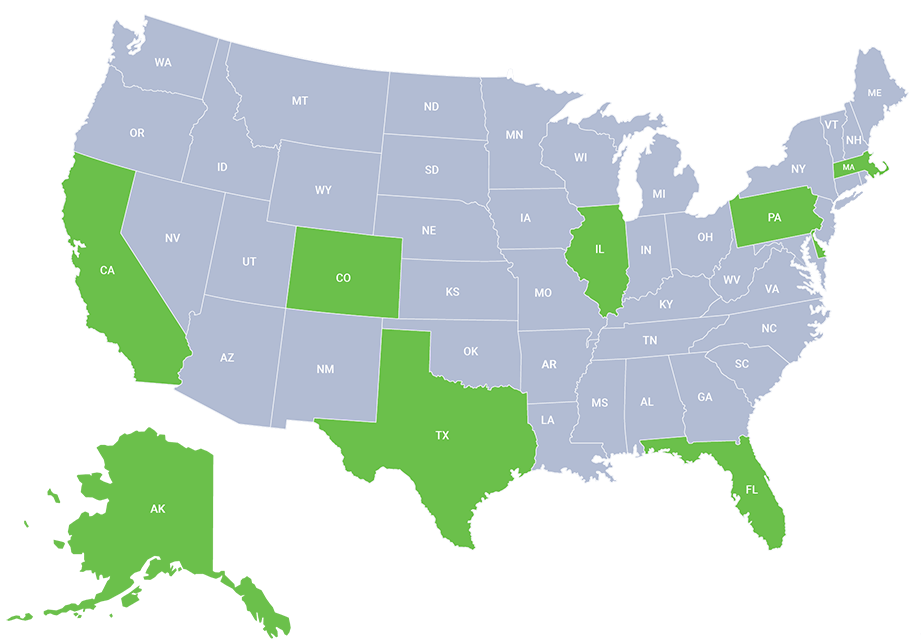

FIND THE NEAREST BANYAN LOCATION
Banyan Treatment Centers
Mental Health Care Nationwide

• Accepting Admissions Now
| Mental Health Addiction | Yes Yes |
| Inpatient Outpatient Telehealth | Yes Yes Some States* |
| Dual diagnosis | Yes — integrated |
| Accreditation | Joint Commission |
Most insurances accepted
If you or someone you know is in crisis, confidential help is available 24 hours a day, 7 days a week.
988 Suicide & Crisis Lifeline
Call or text 988 · 24/7
Medically Reviewed by:

Dr. Darrin Mangiacarne
Chief Medical Officer
At Banyan Treatment Centers, Chief Medical Officer Dr. Darrin Mangiacarne leads our nationwide clinical team with over a decade of addiction medicine experience, helping ensure evidence-based, compassionate care across every level of treatment.
Author / Written by: Banyan Editorial Staff
Medically reviewed by: Dr. Darrin Mangiacarne, CMO
Updated on: June 2026
MENTAL HEALTH TREATMENT — NATIONWIDE
Suicidal Crisis: Signs, Risk Factors, Treatment, and How to Get Help
A suicidal crisis is a medical emergency involving emotional distress, suicidal thoughts, or risky behaviors. It may appear differently from person to person, but every case should be taken seriously. One person may discuss thoughts of death while another becomes emotionally numb. This can develop both quickly and over time, but support and treatment are always available.
If you or someone you know is in immediate danger, please call 911 or visit the nearest emergency room. 24-hour support is available with the 988 Suicide & Crisis Lifeline with confidential calls and texts using 988.
Suicidal crises are different for every case. While someone may be experiencing constant suicidal thoughts, another may be at a higher risk of acting on those thoughts. According to the National Institute of Mental Health (NIMH), fast-acting treatments are being tested to help reduce suicidal thoughts and behaviors. Early intervention and treatment research can help save lives and help people feel safe and stable.
This guide covers common warning signs of a suicidal crisis, what may increase risks, what to do during emergencies, and how treatment and follow-up care can help recovery.

What Is a Suicidal Crisis?
A suicidal crisis involves severe emotional distress, where someone may have strong suicidal thoughts or urges. This can include thoughts of suicide, planning, impulsivity, or concerning behaviors. In some cases, this can develop after a traumatic incident or a major loss. In others, it can build gradually with depression, substance use, chronic stress, or mental health decline.
Although suicidal thoughts, suicide attempts, and acute suicidal crises are related, they are all individual experiences. Some people may have passive suicidal thoughts, like being tired of life or wishing they did not wake up, but do not intend to act on those thoughts. Other people may have the same feelings but have intent. A suicide attempt is when somebody engages in harmful behaviors with the intent to end their life. A suicidal crisis includes feeling emotionally overwhelmed or not feeling safe. This requires immediate attention.
Risks can be different for every person. An acute crisis can occur when somebody starts talking about feeling trapped, becomes highly agitated, isolates from everyone, misuses substances, or engages in sudden behavioral changes. According to the Centers for Disease Control and Prevention, warning signs may include talking about being a burden, increased anger, expressing hopelessness, and talking about wanting to die. These signs can increase with relationship problems, financial problems, violence, discrimination, and many other major stressors.
A suicidal crisis should be treated as both a safety and treatment issue. Safety should be immediate and include an emergency evaluation, crisis stabilization, or 24-hour supervision. Most of the time, long-term recovery depends on mental health treatment, support systems, medication if needed, and personalized care. Nobody should wait until the suicidal thoughts become more severe or life-threatening. Reaching out for help should be a priority.
Questions about our Facilities or Programs?
Our admissions coordinators are available 24/7 to answer any questions you may have as you consider whether treatment at Banyan is right for you or your loved one.
Warning Signs
Warning Signs of a Suicidal Crisis
Suicidal crisis warning signs can show emotionally, behaviorally, physically, or socially. Some signs are easy to recognize, while others include subtle changes that increase over time. In many situations, the biggest sign includes shifts in how a person is thinking, feeling, or functioning. Somebody who has just experienced a painful event, major loss, trauma, or a huge life change may especially show these behaviors.
Early recognition of these signs can support people before it turns dangerous. This applies to those noticing changes in themselves and loved ones, trying to support those they care about.
While some people are communicative about their suicidal distress, others may hint at it subtly. Statements that may signal risks include:
- “I don’t want to be here anymore.”
- “Everyone would be better off without me.”
- “There’s no point in going on.”
- “I feel trapped.”
- “I can’t take this anymore.”
- “Nothing is ever going to get better.
These can all be warning signs of suicide risk. All signals should be taken seriously, even if they sound sarcastic or vague. Some people may minimize their distress or avoid speaking about it due to feeling ashamed, scared, or unsure how others will respond. Repeated themes of hopelessness, worthlessness, or feeling emotionally overwhelmed are all signs that loved ones should look out for.
Behavioral changes are often shown as suicidal risks increase. A person in crisis may start preparing for death, withdraw from support systems, or engage in dangerous activities.
Warning signs can include:
- Giving away meaningful possessions
- Saying goodbye to loved ones in an unusual way
- Researching suicide methods
- Stockpiling medications or getting a weapon
- Writing goodbye letters or messages
- Increased substance use
- Reckless driving or other dangerous risk-taking
- Pulling away from relationships and daily responsibilities
- Sudden isolation
The 988 Suicide & Crisis Lifeline identifies behaviors like expressing hopelessness, looking for ways to access lethal means, and planning for suicide as serious signs that someone needs support.
Many situations include somebody appearing very calm or relieved after a long period of emotional distress. While this may seem like an improvement, this is also common for those who have made the decision to act on their suicidal thoughts.
A suicidal crisis can affect emotional regulation and daily functioning. People may experience:
- Severe anxiety or panic
- Agitation or restlessness
- Rage or uncontrolled anger
- Emotional numbness
- Major sleep disruption
- Rapid mood swings
- Difficulty concentrating
- Loss of interest in normal activities
- Sudden decline in work, school, or self-care
Some warning signs also include ignoring messages, neglecting responsibilities, or emotionally shutting down. Others may struggle with coping and being overwhelmed.
No singular symptom confirms that a person is suicidal, and not everybody shows obvious signs. What matters the most is a change in pattern, severity, or behavior. This is especially the case when connected to pain, trauma, substance use, or a major life stressor.
If somebody is suspected of an immediate risk of harming themselves, call 911, go to the nearest emergency room, or contact the 988 Suicide & Crisis Lifeline by calling or texting 988.
Risk Factors and Protective Factors
In most cases, a suicidal crisis is caused by multiple factors, including emotional pain, mental health conditions, life stressors, and reduced access to resources. Understanding the risks and protective factors can help clinicians, individuals, and families recognize when somebody needs help.
Risk factors do not always predict suicide. Many experience one or more risk factors but never develop suicidal thoughts. However, the risk increases when multiple factors are happening at once or get worse over time.
Key Risk Factors
Mental health conditions are one of the top risk factors. Many mood disorders such as depression, anxiety, bipolar disorder, and psychotic disorders can increase risk especially when the symptoms go untreated. Substance use can increase the risks as well. Alcohol and drug use can intensify impulsivity, worsen mood instability, and reduce inhibition.
Past suicide attempts also increase the chance of future risk. According to The Center for Disease Control and Prevention (CDC), there are many circumstances that increase the risk of suicide, but previous suicide attempts are one of the leading risks.
Other circumstances that cause risks are a history of trauma or abuse, chronic pain or serious medical illness, and ongoing feelings of hopelessness. Major life stressors such as relationship issues, financial struggles, legal problems, or discrimination can contribute as well. Risks can further increase with a lack of support and social isolation.
Impulsive and aggressive behaviors can play a role as well especially with ongoing substance use or access to lethal means. The CDC reports that firearms are the most common method used in suicide deaths. This highlights the importance of safe storage and reducing access during a crisis.
Protective Factors
Protective factors reduce the likelihood of suicidal behaviors even if risk factors are present. A strong social connection is one of the most important protective factors. Feeling connected to family, friends, community, or peers can grant emotional grounding during periods of distress. Access to mental health care, including therapy, psychiatric support, and crisis services also provides support.
Developing coping and problem-solving skills can help people manage their emotional pain without it leading to a crisis. This can be done by developing the ability to tolerate distress, manage overwhelming thoughts, and seek help early. Having reasons for living such as relationships, responsibilities, personal growth, or spiritual beliefs can also provide stability.
Reducing access to lethal means is another important protective factor. Safely storing firearms and medications can create critical time and space between suicidal thoughts and action.
Follow-up care and safety planning are also important protective strategies. Creating a safety plan may include identifying warning signs, coping strategies, emergency contacts, and steps for accessing help. These tools are most effective when put in place during early stages of distress.
Suicide prevention is best done when the risk is noticed early and protective factors are strengthened. Even when risks increase, support, treatment, and connection can affect the course of a crisis.
Durring A Crisis
What to Do Right Away in a Suicidal Crisis
A suicidal crisis needs immediate attention. The underlying issue should not be the main focus but the person needs to feel safe, risk has to be reduced, and the person needs to be connected to urgent support.
If there is an immediate danger, call 911 or go to the nearest emergency room especially if somebody has a suicidal plan, access to lethal means, or is at risk of acting on their suicidal thoughts. The person should not be left alone until help has arrived and the risk is managed.
During a risk, focus on safety and support rather than persuasion.
- Call 911 in life-threatening situations
- Stay with the person if it is safe to do so
- Remove access to lethal means such as medications, sharp objects, or firearms
- Move the person to a safer and supportive environment
- Speak in a calm, steady manner and avoid arguing or dismissing their feelings
Removing access to lethal means during a suicide crisis is an evidence-based prevention step. Even short delays can create time to decrease distress before help arrives.
The 988 Suicide & Crisis Lifeline is available 24 hours a day, seven days a week. It provides trained crisis counselors who support immediate emotional comfort, safety planning, and next steps for help. You can call or text 988 or even use the chat through the 988 Lifeline website.
988 is not only for the most extreme problems. When somebody feels overwhelmed, has safety concerns, or feels their emotions are leading to suicidal thoughts, 988 is a supportive tool and can prevent escalation.
Nobody should be afraid to ask directly about suicide. Asking questions such as, “Are you thinking about suicide?” does not increase risk. This can lead to an open and supportive conversation.
If someone says they are struggling:
- Listen without interrupting or minimizing
- Avoid phrases like “you’ll be fine” or “others have it worse”
- Do not promise secrecy
- Take all mentions of suicidal thoughts seriously, even if they seem unclear or inconsistent
Speaking openly about suicide can help reduce risk and find care sooner. Direct and nonjudgmental communication is recommended along with staying with the person until help arrives.
In most cases, the most important step may just be to stay present and contact immediate support. This can include calling 988 together, contacting a loved one, or arriving with them at the emergency room.
If the situation at any point feels unsafe, prioritize emergency services. It can be effective to seek help early rather than waiting for the situation to escalate.
Even with a crisis, recovery is possible. Immediate support is often the first step toward stabilization and treatment.
HOW TREATMENT CAN HELP DURRING A CRISIS
How Treatment Helps During and After a Suicidal Crisis
Suicidal crisis treatment involves supporting somebody to stabilize their emotions, understand mental health concerns, develop better coping skills, and get connected with care. Different stages of recovery can help reduce risk, symptoms, environment, and clinical needs.
A clinical assessment should be offered during a suicidal crisis even if the person does not think their situation is “bad enough.”
Assessment and Stabilization
Treatment usually starts with a comprehensive assessment. Several factors can be evaluated including:
- Suicidal thoughts and planning
- Past suicide attempts or self-harm
- Mental health symptoms such as depression, anxiety, distress, psychosis, or mood instability
- Alcohol or drug use
- Access to lethal means
- Medical concerns or chronic pain
- Available support systems and living environment
The assessment can help find the immediate danger and what type of care and support may be most effective for this person.
Stabilization is a part of care that helps reduce the risks while starting treatment that focuses on the factors causing the crisis. This can include therapy, counseling, medication evaluation, supervised care, sleep restoration, substance use support, and building a safety plan. In some cases, this may happen in an outpatient setting or may require a higher level of care.
Evidence-Based Therapies for Suicidal Crisis
There are many evidence-based therapies that have been shown to help reduce suicidal thoughts and behaviors.
Cognitive behavioral therapy (CBT) can help people with their thought patterns, emotional triggers, and harmful behaviors. This kind of therapy focuses on building healthy coping strategies and improving problem-solving skills.
Dialectical behavior therapy (DBT) was developed originally for those with suicidal thoughts and emotional dysregulation. DBT helps with distress tolerance, emotional regulation, interpersonal effectiveness, and mindfulness.
Collaborative care may be beneficial in reducing suicidal thoughts, especially alongside depression. This approach combines medical providers, therapists, psychiatric support, and follow-ups to help manage symptoms.
Safety Planning and Crisis Response Planning
Safety planning is often used during and after a suicidal crisis. According to the Suicide Prevention Resource Center (SPRC), a safety plan is a prioritized list of coping strategies and sources to help patients who have a high suicide risk.
A safety plan may include:
- Personal warning signs that indicate distress is worsening
- Internal coping strategies that can help regulate emotions
- People and places that provide distraction or support
- Trusted contacts who can help during a crisis
- Professional resources such as therapists, crisis lines, or emergency services
- Steps to reduce access to lethal means
Safety planning can be most beneficial when it is collaborative, realistic, and easy to access. This is meant to be used proactively and not only after the crisis increases.
Matching the Right Level of Care
Every suicidal crisis requires its own level of treatment and setting. This depends on the symptoms, level of risk, medical and psychiatric needs, and the person’s safety.
Treatment options may include:
- Outpatient therapy and psychiatric care
- Intensive outpatient programs (IOP)
- Partial hospitalization programs (PHP)
- Residential mental health treatment
- Inpatient psychiatric hospitalization for acute safety concerns
Every individual is different, whether they need frequent outpatient support and safety planning or 24-hour monitoring and stabilization in an inpatient setting. The person should get the appropriate level of care based on their needs and safety concerns.

What Happens After the Immediate Crisis?
One of the most vulnerable moments is right after the suicidal crisis. Someone may feel better after talking to a counselor, leaving the emergency room, or after a difficult night, but this does not always mean that the problem is resolved. Ongoing support is important during this time.
A suicidal crisis can happen with depression, trauma, anxiety, substance use, grief, or a major life change. Even if the crisis has gotten better, other symptoms may continue, such as hopelessness, panic, numbness, insomnia, or isolation.
When it comes to treatment after a suicidal crisis, this can be offered as therapy, medication management, and regular check-ins with mental health providers. Therapy helps find the causes of the crisis, strengthen coping skills, and provide support. Medication may be a part of treatment for depression, anxiety, bipolar disorder, or other mental health symptoms. Other options include outpatient therapy, residential care, or a higher level of support.
Family members and loved ones can be important for treatment. This can include helping with a ride to appointments, checking in during difficult times, supporting medication use, or helping to recognize signs that risks are getting worse.
A post-crisis plan may include:
- A safety plan that is easy to follow
- Therapy or psychiatry appointments
- A review of warning signs that may show that distress is coming back
- A plan for less access to lethal means
- Names and phone numbers for supportive loved ones
- Crisis contacts, including calling or texting 988 if suicidal thoughts return
The Suicide Prevention Resource Center mentions that a safety plan is a prioritized written list of coping strategies and sources of support patients can use who have been deemed to be at high risk for suicide. This is most helpful when it is personalized and realistic.
Recovery after a suicidal crisis is often an ongoing process. Many things can change, such as support and emotions. Some days also feel harder than others. It is recommended to continue treatment, follow-ups, and keep a clear plan.
Getting into treatment is easy with our free insurance verification
"*" indicates required fields
How to Help Someone Else in a Suicidal Crisis
Friends, coworkers, partners, and family members are usually the first to notice if something is off. Some of these concerns could show with a person’s mood, isolation, hopeless comments, or behaviors that seem out of character.
What to Say and Do
If you believe someone may be in a suicidal crisis, it is okay to be direct by asking questions such as, “Are you thinking about suicide?” or “Are you thinking about hurting yourself?” Asking these questions does not increase the risk of suicidal thoughts or behaviors. In fact, it can create a safe space for honest conversations and help the person not feel alone.
When talking with them:
- Stay calm and speak clearly
- Listen without interrupting or arguing
- Take what they say seriously
- Encourage immediate support
- Offer to call or text 988 with them
- Stay with them if there is a concern about safety, and if it is safe for you to do so
The 988 Suicide & Crisis Lifeline is available to support loved ones who are concerned about somebody. A trained crisis counselor will be able to talk through the steps and create a safety plan.
What Not to Do
Some people may unintentionally cause a person to feel more isolated and less likely to open up.
Try to avoid:
- Minimizing what they are feeling
- Challenging them to “think positive” or “snap out of it.”
- Shaming or criticizing
- Debating whether they “really mean it.”
- Promising to keep suicidal thoughts secret
Do not assume the crisis is done just because the person acts calmer. This may be a temporary feeling that happens after support, but the risk may still be present. If you are unsure, please still take this seriously and contact professional support.
If there is immediate danger or a concern that someone may act, call 911 or go to the nearest emergency room.
Final Takeaway
A suicidal crisis is a serious situation that needs immediate attention. Treatment and support are available during these difficult times. Support is offered through assessments, varied levels of care, and mental health professionals.
If you or someone you know is in danger, immediately contact 911 or go to the nearest emergency room. If there are concerns about suicidal thoughts, call or text 988 to connect with the Suicide & Crisis Lifeline at any time.
After an immediate crisis, ongoing care can make a huge difference in someone’s life. Banyan provides many support options such as a mental health assessment, level-of-care recommendations, therapy, and continued support for those who need help after a crisis. Reaching out for help is an important next step toward safety and recovery.
If you're having thoughts of suicide or self-harm, please reach out for immediate support right now:
Call or text 988 to reach the Suicide & Crisis Lifeline — they are available 24 hours a day, 7 days a week, and are ready to listen without judgment.
If you are in immediate danger, please call 911 or go to your nearest emergency room right away.
You matter, and help is available. Please don't face this alone.
FAQ + Final Takeaway
What Our Patients Are Saying


Getting Into Treatment Is Easy. Here's How to Get Started!

Call Us Anytime
Speak with our compassionate admissions specialists to discuss your situation and explore treatment options.

Initial Assessment
We conduct a thorough evaluation to determine the best level of care tailored to your needs.

Financial Guidance
Our team will verify your insurance coverage and provide transparent cost information.

Begin Your Recovery
Once everything is set, you’ll be welcomed into our program and start your journey toward healing.