

The First Responder Help-Seeking Gap
First responders work in environments where trauma, loss, unpredictable schedules, and high-stakes decisions can place significant pressure on mental health. But experiencing symptoms is only one part of the challenge. The First Responder Help-Seeking Gap examines current research on mental health, substance use, stigma, and access to care among police officers, firefighters, EMTs, paramedics, and public safety telecommunicators.

First Responder Mental Health Statistics at a Glance
Research involving first responder populations points to significant behavioral health concerns, but the findings vary by profession, study population, and methodology. These selected statistics provide a snapshot of findings examined in the full report.
26%
of police officers in the cited urban police-force study were currently experiencing symptoms of a mental health condition.
17%
of police officers in the same study sought care for their mental health concerns — a significant gap from the 26% experiencing symptoms.
17.8%
PTSD prevalence reported among public safety telecommunicators in the cited systematic review.
28.2%
depression prevalence reported among public safety telecommunicators in the same review.
1.39×
EMTs were reported as more likely to die by suicide than the general population.
Source: CDC/NIOSH (2021); underlying study: Vigil et al. (2019)
Higher Risk
Research indicates police officers and firefighters may face a greater risk of dying by suicide than in the line of duty.
Source: CDC/NIOSH (2021)
The Help-Seeking Gap: Where Access to Care Can Break Down
Depression, anxiety, PTSD, substance use disorders, alcohol use disorders, and suicide risk have been documented across first responder professions. Experiencing symptoms, however, does not necessarily mean someone will receive appropriate care. The report examines several points where barriers can affect the path from recognizing a concern to remaining engaged in treatment.
Need Support
Mental health or substance use symptoms begin affecting well-being, relationships, work, or daily functioning.
Recognize
Symptoms may not immediately be recognized as a mental health concern. Stress, sleep problems, mood changes, or other difficulties may instead be viewed as an expected part of the job.
Trust
Seeking care requires confidence in the process. Concerns about confidentiality, career consequences, stigma, or judgment from colleagues and supervisors may discourage someone from reaching out.
Find
Finding a provider who understands the realities of first responder work can present another challenge. Provider availability and cultural familiarity may affect whether care feels relevant and appropriate.
Access
Practical barriers including scheduling, coverage concerns, geographic availability, and cost can affect whether someone follows through on seeking care.
Stay Engaged
Accessing treatment is only one step. Peer support, appropriate provider fit, routine screening, and continued behavioral health support may help first responders remain connected to care.
Different First Responder Roles Come With Different Pressures
Police officers, firefighters, EMTs, paramedics, and public safety telecommunicators share exposure to stressful and potentially traumatic situations, but their work environments are not identical. The report examines how job responsibilities, schedules, trauma exposure, workplace culture, and other occupational factors may influence behavioral health across different professions.
Police Officers
Police work can involve exposure to violence and death, uncertainty during routine shifts, rapid decision-making, and workplace expectations around managing emotional distress.
Firefighters
Firefighters may encounter dangerous and traumatic events while also managing long or unpredictable shifts, work-life strain, and workplace cultures that can influence attitudes toward mental health.
EMTs and Paramedics
Emergency medical professionals routinely make time-sensitive decisions while responding to injuries, illness, death, and other emergencies. Repeated trauma exposure and demanding schedules can affect mental well-being.
Public Safety Telecommunicators
Dispatchers repeatedly hear traumatic emergency calls while remaining calm enough to coordinate an effective response. Although exposure is often indirect, research has documented behavioral health concerns within this workforce.

Some First Responder Groups Remain Underrepresented in Research
Research on first responder behavioral health does not cover every profession or population equally. When evidence is limited, it becomes more difficult to understand specific risks, identify gaps in support, and determine which interventions may be most useful. The report highlights several groups that may need additional research and targeted resources.
Volunteer Firefighters and EMTs
Volunteer responders perform physically and emotionally demanding work, but research specifically focused on volunteer populations remains limited.
Public Safety Telecommunicators
Telecommunicators experience repeated exposure to emergency situations through their work, yet they remain underrepresented in portions of the first responder behavioral health literature.
EMTs and Paramedics
Research has identified significant occupational stress among emergency medical professionals, while gaps remain in epidemiological data addressing their mental health specifically.
Veterans Who Are Also First Responders
Some first responders enter emergency-service careers after military service. Understanding the potential effects of experiences across both environments may help inform more appropriate support.
What May Help Improve Access to Care?
Closing the help-seeking gap involves more than encouraging first responders to seek treatment. Workplace culture, confidentiality, provider availability, peer relationships, and practical access to care can all influence whether someone feels comfortable reaching out and remaining engaged. The report identifies several approaches that may support help-seeking.
Peer Support
Connecting first responders with peers who understand emergency-service work may provide an accessible source of support and help normalize conversations about mental health.
Routine Screening
Making behavioral health screening part of routine wellness practices may help identify concerns before symptoms become more disruptive.
Provider Fit
Access to clinicians who understand first responder culture, occupational trauma, schedules, and workplace pressures may help make treatment more relevant to the individual seeking care.
Reducing Stigma
Confidential, nonjudgmental support and workplace environments that do not discourage treatment may make it easier for first responders to seek care.
Post-Incident Support
Opportunities to process difficult experiences and maintain ongoing behavioral health support may be valuable after critical incidents and repeated occupational stress.
State Resources
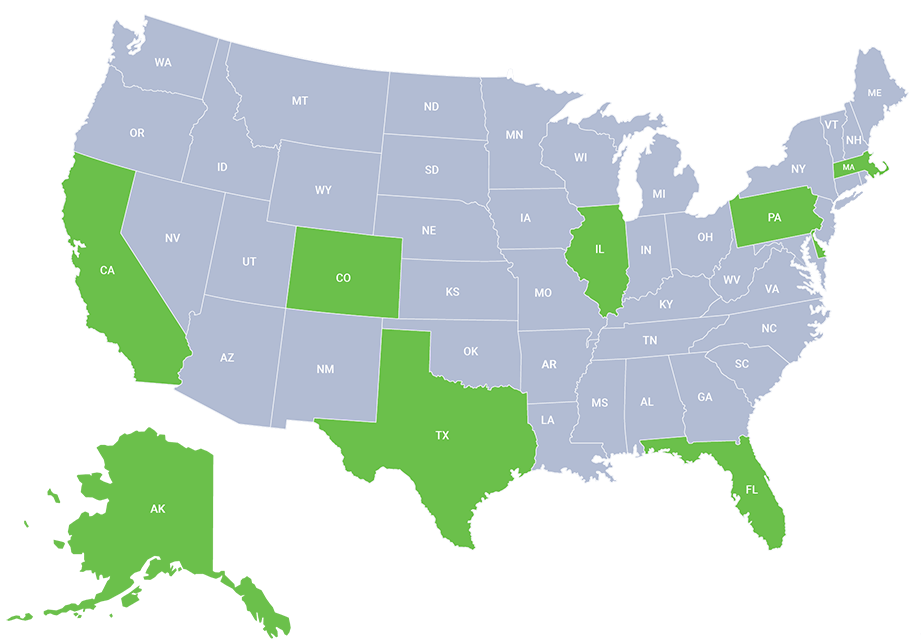
The report includes a selected resource appendix for FL, IL, MA, PA, and TX — a starting point for locating state and local first responder behavioral health programs.
Download The First Responder Help-Seeking Gap
The full report provides the research, context, and source material behind the findings summarized on this page — including key statistics, the help-seeking journey, substance use and trauma findings, suicide risk, underrepresented populations, state resources, and full methodology.
Download the Full PDFPeer-reviewed sources · Federal public health data · Methodology included · Free to download
Built From Peer-Reviewed Research and Public Health Sources
The First Responder Help-Seeking Gap draws from peer-reviewed studies, systematic reviews and meta-analyses, federal government publications, and publicly available state resources. References are provided throughout the full report so readers can identify the evidence supporting individual findings. The report also notes limitations in the available research, including areas where behavioral health data remain limited for specific first responder populations.
Sources include research and data from the CDC, NIOSH, SAMHSA, JAMA Network Open, and Occupational Medicine, along with other peer-reviewed and public sources cited in the report. Interpret statistics within the context of their original studies — findings from one profession, department, geographic area, or study population should not be assumed to represent every first responder.
About This Report
Prepared by
Banyan Treatment Centers research and editorial team. Clinically reviewed by Dr. Darrin Mangiacarne, DO, MPH, DFASAM, FAOAAM. Last reviewed June 2026. Recommended quarterly review cycle.
Populations Covered
Police officers, firefighters, EMTs, paramedics, and public safety telecommunicators. Source base: peer-reviewed research, systematic reviews, federal public health sources, occupational data, and selected state resources.
Cite This Report
APA: Banyan Treatment Centers. (2026). The first responder help-seeking gap: Statistics on mental health, substance use, stigma, and access to care. https://www.banyantreatmentcenter.com/first-responder-mental-health-statistics/ — When citing, link to the landing page rather than directly to the PDF whenever possible.
All Research and Data Sources
All research, government data, occupational sources, and crisis/support resources named in the whitepaper are linked below. For claims summarized from a CDC/NIOSH page, the underlying study is also linked where the whitepaper uses a specific statistic.
JAMA Network Open — Jetelina et al. (2020)
Prevalence of Mental Illness and Mental Health Care Use Among Police Officers.
jamanetwork.com →Occupational Medicine — Osorio et al. (2024)
Systematic review and meta-analysis on the mental health of emergency and urgent call-handlers and dispatchers.
academic.oup.com →Journal of Psychiatric Research — Haugen et al. (2017)
Mental health stigma and barriers to mental health care for first responders: A systematic review and meta-analysis.
pubmed.ncbi.nlm.nih.gov →Drug and Alcohol Dependence — Bonumwezi et al. (2022)
PTSD symptoms, work-related trauma exposure, and substance use in first responders.
pubmed.ncbi.nlm.nih.gov →International Journal of Drug Policy — Witkowski et al. (2024)
Problematic substance use among first responders during the COVID-19 pandemic.
pubmed.ncbi.nlm.nih.gov →Journal of Safety Research — Carson et al. (2023)
An analysis of suicides among first responders — Findings from the National Violent Death Reporting System, 2015–2017.
stacks.cdc.gov →Prehospital Emergency Care — Vigil et al. (2019)
Death by Suicide — The EMS Profession Compared to the General Public. Underlying study for the 1.39× EMS suicide statistic summarized by CDC/NIOSH.
pubmed.ncbi.nlm.nih.gov →CDC/NIOSH — Suicides Among First Responders (2021)
A Call to Action. Whitepaper source for first-responder suicide risk, including police/firefighter and EMS statistics.
cdc.gov/niosh →SAMHSA — 2024 National Survey on Drug Use and Health
Key Substance Use and Mental Health Indicators in the United States. Source for the 19.3% treatment-receipt statistic.
samhsa.gov →SAMHSA DTAC — First Responders Supplemental Bulletin (2018)
Behavioral Health Concerns, Emergency Response, and Trauma.
samhsa.gov →988 Suicide & Crisis Lifeline
Crisis support for anyone in distress — call or text 988. Veterans press 1 for the Veterans Crisis Line.
988lifeline.org →SAMHSA National Helpline
Free, confidential, 24/7 treatment referral and information service for mental health and substance use disorders.
samhsa.gov →