

What Is a Psychiatric Hold (5150) and When Does It Apply?
If you have ever called for help during a loved one's mental health crisis, you may have heard the terms "5150," "Baker Act," or "psychiatric hold." These terms refer to involuntary psychiatric evaluation, a legal mechanism that allows a person to be held for emergency mental health assessment without their consent. Understanding what this means, when it applies, and what happens during and after a hold is essential for any family navigating a mental health crisis.
Medically Reviewed by:

Dr. Darrin Mangiacarne
Chief Medical Officer
At Banyan Treatment Centers, Chief Medical Officer Dr. Darrin Mangiacarne leads our nationwide clinical team with over a decade of addiction medicine experience, helping ensure evidence-based, compassionate care across every level of treatment.
Author / Written by: Banyan Editorial Staff
Medically reviewed by: Dr. Darrin Mangiacarne, CMO
Updated on: June 2026
Family Resources Hub › Mental Health Resources › Identifying a Mental Health Crisis
Psychiatric Holds: The Basics
A psychiatric hold is a legal mechanism that allows a person to be detained for involuntary psychiatric evaluation for a defined period of time, most commonly 72 hours, without their consent. It is initiated when a qualified professional determines that a person meets the legal criteria for involuntary evaluation, which typically requires evidence that the person is a danger to themselves, a danger to others, or so gravely disabled that they cannot meet their own basic needs for food, clothing, or shelter.
The term "5150" comes from California Welfare and Institutions Code Section 5150, which was the first such law in the United States and remains one of the most cited. But every U.S. state has its own version of this law, with its own name, criteria, and duration. The Florida Baker Act, Texas Emergency Detention, and New York's Involuntary Admission law are among the most commonly encountered outside California.
A Psychiatric Hold Is an Emergency Evaluation, Not a Long-Term Treatment Plan
Families hear the term "5150" often when someone they love is suicidal, psychotic, severely confused, threatening, or incapable of meeting basic needs. It sounds very final, but a hold is typically a short-term emergency evaluation, not a diagnosis or comprehensive treatment plan. For families, the critical point to remember is that a psychiatric hold is intended to answer a single question: Can this person remain safe without emergency evaluation right now?
A hold is not meant to mandate months of treatment because the family is scared, tired, or believes the person requires help. Those concerns may be well-founded, but involuntary holds are strictly regulated by law and clinical standards.
When a Hold May Apply
A hold might be considered if a person seems to pose a danger to self, a danger to others, or is gravely disabled due to mental illness. Gravely disabled typically means the person is unable to provide for food, clothing, or shelter due to symptoms. Families may observe direct threats of suicide, threats of violence, command hallucinations, intense paranoia, reckless impulsive behaviors, significant disorientation, or behaviors that make basic safety impossible.
These are urgent situations. If you suspect immediate danger, call 911 or take the person to the closest emergency room. If you believe there is a serious risk but no immediate danger, call or text 988 for crisis support and guidance. If someone has a gun, is attempting to kill themselves, is threatening other people, or cannot be made safe, a family conversation alone is insufficient.
Questions About a Psychiatric Hold? Our Team Can Help.
If your loved one is currently on a psychiatric hold or has recently been discharged from one, call us. We can help you understand what comes next and whether Banyan is the right fit for continued care.
855-722-6926Free & confidential · Available 24/7 · No commitment required
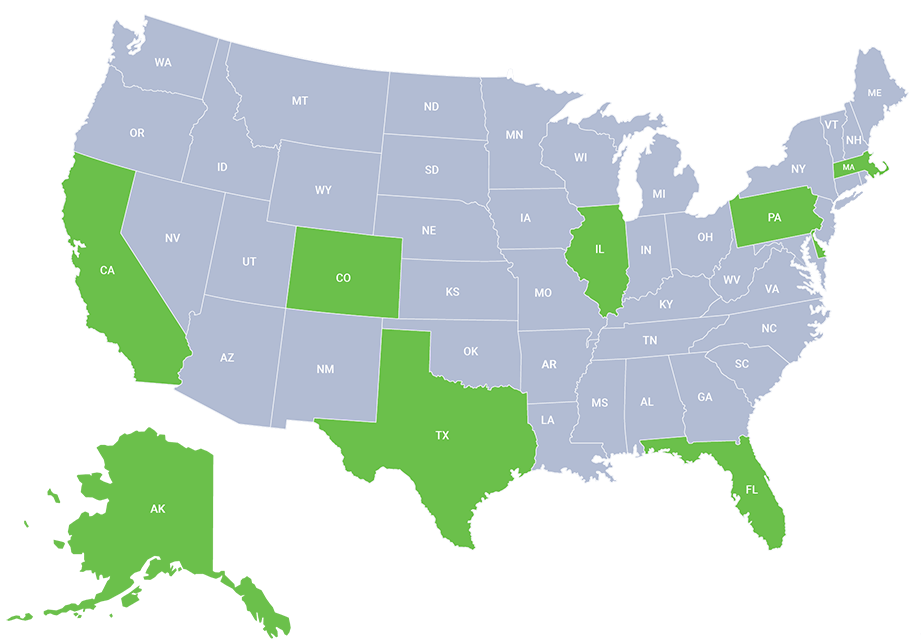
What Psychiatric Holds Are Called in Banyan's Service States
While the underlying principle is similar across states, the specific laws, names, criteria, and procedures vary significantly. Although "5150" is a California code, families nationwide sometimes use the term to refer to any involuntary psychiatric hold. Each state has its own statutes, terminology, timeframes, responsible authorities, and criteria. Because the laws differ, families should not depend on online forums or the experience of someone living in a different state. Instead, consult local crisis centers, a county mental health hotline, 988, an emergency room, or a licensed behavioral health professional to find out what applies to your loved one's situation. Here is what families in each of Banyan's service states should know.
California — 5150 (72-Hour Hold)
Under California Welfare and Institutions Code Section 5150, a person can be involuntarily detained for up to 72 hours for psychiatric evaluation if they are deemed a danger to themselves, a danger to others, or gravely disabled. Can be initiated by law enforcement, designated clinicians, or certain other authorized professionals. Following the hold, a 14-day certification (5250) can extend detention if criteria are still met.
Florida — Baker Act
Florida's Mental Health Act (Chapter 394), known as the Baker Act, allows for a 72-hour involuntary examination. Can be initiated by a judge, law enforcement officer, or mental health professional who has reason to believe the person has a mental illness and is likely to harm themselves or others, or is unable to determine or communicate their own care needs.
Texas — Emergency Detention
Under Texas Health and Safety Code Chapter 573, a peace officer may take a person into custody and transport them for emergency psychiatric evaluation if the officer believes the person is mentally ill and presents a substantial risk of serious harm. The emergency detention period is up to 48 hours. A court order for emergency mental health services (Chapter 574) can authorize longer periods.
Pennsylvania — 302 Involuntary Commitment
Pennsylvania's Mental Health Procedures Act (MHPA) provides for emergency involuntary examination and treatment under Section 302 when a person is severely mentally disabled and in need of immediate treatment. Authorized by a physician, psychiatrist, or other designated professional. Results in up to 120 hours of inpatient evaluation and treatment.
Illinois — Emergency Admission
Under Illinois Mental Health and Developmental Disabilities Code (405 ILCS 5), a person may be admitted on an emergency basis if a physician, qualified examiner, or peace officer determines they are in immediate danger of physical harm. The emergency admission period is up to 24 hours, after which continued involuntary admission requires a court hearing.
Massachusetts, Delaware, Colorado, Alaska
All four states have involuntary commitment provisions with varying criteria and durations. Massachusetts Chapter 123 Section 12 allows 3-day emergency holds. Delaware's MHTA and Colorado's M-1 hold each allow 72 hours. Alaska Statute 47.30.700 allows up to 72 hours. NAMI's state-by-state resource at nami.org/Advocacy provides detailed information for each.
What Families Can Do During the Evaluation Process
Once emergency responders are called, families typically have limited options. You might not be included in all the discussions. Some information cannot be discussed with you because of confidentiality rules. But you can still provide information.
Write down details of the incident, any verbal exchanges, recent drug and alcohol use, current medications, known diagnoses, prior hospital stays, access to firearms, recent changes in sleep, self-injurious behavior, statements about harming oneself or others, and anyone who might be in danger. Try to be as objective as possible. Saying "he hasn't slept in four days and says he's going to walk into traffic" is better than saying "he's out of control."
You can ask how to submit written information, who will assess your loved one, what factors the evaluator will consider, what the discharge plan could involve, and which signs to watch for that would warrant calling again. In many states, families do not make the decision regarding emergency holds, but giving thorough information might help evaluators understand what your loved one was like outside the few minutes they observed them. Banyan's guide on getting someone into mental health treatment against their will can also help families understand the difference between safety emergencies and non-emergency treatment refusal.
What Happens During a Psychiatric Hold — and What Comes After
What Happens During the Hold
The person is transported to a psychiatric facility or emergency department with psychiatric capability. During the hold period, they receive a psychiatric evaluation, medical assessment, and stabilization. They may be started on medication, participate in group sessions, and be observed by clinical staff. The goal is evaluation and stabilization, not long-term treatment.
What Families Can and Cannot Do During a Hold
HIPAA applies during a psychiatric hold. Facilities may not be able to confirm your loved one is present or share clinical information without their consent. If your loved one has designated you as an emergency contact or signed a release, you will receive more information. Families can generally visit, though visiting hours vary by facility. You can and should ask the facility what information they are permitted to share with you. You can also call the facility and share observations, history, and context — even if they cannot confirm your loved one is there. This information can be clinically significant and is worth providing.
The Three Possible Outcomes
At the end of the hold period, one of three things typically happens: (1) The person is released because they no longer meet criteria or are willing to engage in voluntary outpatient treatment. (2) The person voluntarily agrees to inpatient admission. (3) The facility seeks a court order for extended involuntary commitment if the person still meets criteria and will not voluntarily accept treatment. A hold may also expire before the hold period ends if clinicians determine the individual no longer meets criteria — which can feel devastating for family members who still see their loved one in danger.
The Most Critical Period: Discharge
The period immediately following discharge from a psychiatric hold is one of the highest-risk periods for relapse, crisis recurrence, and suicide. Research shows that continuity of care — a clear plan for what happens next, a follow-up appointment scheduled before discharge, and family involvement in the transition — significantly improves outcomes. If your loved one is being discharged without a clear plan, advocate loudly for one before they leave. Request a discharge plan before leaving the ER or crisis center: who makes appointments, what medications were recommended, what to do if symptoms escalate, and who to reach out to if your loved one doesn't keep their next appointment.
Your Rights as a Family Member
While HIPAA limits what facilities can share, you have the right to provide information to the treatment team even if you cannot receive information back. You can call the facility and share observations, history, and context that will inform their evaluation, even if they cannot confirm your loved one is there. This information can be clinically significant and is worth providing.
The Emotional Reality for Families
Having a loved one placed on a psychiatric hold is traumatic for families, regardless of whether it was the right decision. The guilt, the fear, the helplessness, and the uncertainty about what comes next are all real. Families in this situation deserve support of their own. Banyan's family team, NAMI's helpline (1-800-950-6264), and 988 are all available to support family members, not just the person in the hold.
What a Psychiatric Hold Can and Cannot Do
A psychiatric hold might provide a brief opportunity for evaluation and short-term safety planning. This could result in admission, discharge, outpatient treatment referrals, a lengthy legal process, medication trials, or linkage to local resources. A hold does not guarantee long-term stability. It cannot force someone to get treatment. It cannot fix family relationships, cure addiction, or create a solid aftercare plan if there is no follow-up.
It also shouldn't be used as a threat during a dispute. Telling someone "I'm going to 5150 you" could make them even more frightened and less forthcoming. Instead, you could say: "I want you to seek treatment on your own, but if I think you're in immediate danger, I'm going to call the authorities." Similarly, avoid inflating the severity of the crisis to ensure your loved one gets held — this can cause a loss of trust and could lead to legal issues. And do not play down genuine threats to safety because you are worried about hurting your loved one's feelings.
Questions Families Should Ask Before and After a Hold
If you have spoken with a crisis worker, someone at an emergency room, or someone from a local mental health office, ask them for clarity about what they can and cannot tell you. Can they assess your loved one? What are they considering? Where will he or she go? How will the family be notified? What can the family share? What happens if he or she is released? While these questions won't necessarily dictate what happens, they will allow the family to start formulating a plan.
When the hold is complete, ask about next steps. Will the person be prescribed medication? What are the warning signs? What should the safety plan include? How will the patient get home? Who is going to schedule the follow-up appointment? If the patient leaves relatively soon after the hold ends, ask why and what should happen if there is a similar emergency in the future. Family members sometimes feel like they are embarrassing themselves by asking basic questions, but asking them right after a crisis is crucial.
Why the Family May Still Need Support
Even when a hold is clinically appropriate, families may leave the experience feeling shaken. They may replay what they said, wonder whether they waited too long, or fear that the loved one will never trust them again. Those reactions are common after a crisis. Getting family support does not take attention away from the person in crisis. It helps the family stay steady enough to participate in the next steps.
It can also help families separate guilt from responsibility. You may be responsible for calling for help when there is danger. You are not responsible for personally replacing emergency services, legal systems, crisis clinicians, or a full treatment team. The time following a crisis can be challenging — your loved one might appear more stable, but still struggle with depression, paranoia, shame, substance use, or resistance to follow-up treatment. Banyan's guides on warning signs of a mental health crisis and suicide risk can help families think through what happened and what may come next.
Speak With an Admissions Specialist
Fill out the form below and a member of our team will reach out within one business hour — confidentially and without pressure.
You Don't Have to Navigate This Alone
Banyan's Family Program
A psychiatric hold is often the beginning of a longer process, and families rarely know what comes next. Banyan's Family Program connects family members with clinical guidance, education about mental health treatment, and support for navigating the system after a hold is lifted. Through Banyan's Family Resources and Family Program, loved ones can learn how to communicate more effectively, set safer boundaries, and avoid carrying the entire crisis alone. Whether your loved one comes to Banyan directly from a hold or at a later point, our family team will support you through the transition.
What Happens After the Hold
Banyan provides mental health treatment and psychiatric care for people stepping down from higher levels of crisis intervention. Banyan is not a substitute for 911, 988, an emergency room, a mobile crisis team, or a court process — if someone is in immediate danger, use emergency resources first. After urgent safety concerns are addressed, Banyan can help families explore whether structured mental health treatment, substance use treatment, or co-occurring disorder care may be appropriate based on clinical assessment and program fit.
We Can Help You Navigate the System
The psychiatric emergency system is confusing, and families are rarely given enough information about what is happening or what their options are. Our clinical team can help you understand what the hold means, what your rights are as a family member, what to ask the facility, and how to plan for what comes next. Admissions guidance can also help families ask clearer questions about levels of care, insurance verification, and treatment options. Call us at any point during this process — that conversation is free. 855-722-6926.
Related Guides
How Do I Get Someone Into Treatment Against Their Will?
The full range of legal and practical options when a loved one refuses mental health help.
Read the guide →What Are the Warning Signs of a Mental Health Crisis?
Recognizing crisis before it becomes an emergency.
Read the guide →What Should I Do If I Think Someone Is Suicidal?
Immediate steps when you believe your loved one is at risk.
Read the guide →When Is Inpatient Psychiatric Treatment Necessary?
Understanding when a higher level of care is the right next step.
Read the guide →What Do I Do When My Loved One Refuses Treatment?
When the conversation doesn't go the way you hoped.
Read the guide →Crisis Hotlines
National and state-specific crisis resources for mental health emergencies.
Read the guide →Additional Resources
Tools, community, and organizations to support your family's journey.
Crisis & Hotlines
Immediate help — national helplines and crisis resources for addiction and mental health emergencies.
View all crisis resources →Support Groups
Al-Anon, Nar-Anon, SMART Recovery Family & Friends, and peer groups for families.
Find a group near you →Blog & Articles
Clinician-authored articles, personal stories, and recovery news to keep families informed.
Read the Banyan blog →Insurance & Financing
Insurance verification, financing options, and navigating the cost of treatment.
Check your coverage →Downloadable Guides
Free PDFs on intervention, what to pack for treatment, and relapse prevention planning.
Free family addiction guide →About Banyan
Our clinical approach, accreditations, and the team behind Banyan's family-centered care model.
Meet our clinical team →