

How Do I Get Someone Into Mental Health Treatment Against Their Will?
If your loved one is turning down mental health treatment, it is natural to want the quickest solution possible. They may be unable to sleep, speak of death, disconnect from the world around them, use drugs or alcohol, threaten someone, seem out of touch, or be unable to care for themselves. In many cases, it is difficult to force treatment on an adult. It does not mean you have no options — it means that where you go next depends on how unsafe the loved one is, your state's laws, the symptoms they are currently experiencing, and whether they pose an immediate danger to themselves or others.
Medically Reviewed by:

Dr. Darrin Mangiacarne
Chief Medical Officer
At Banyan Treatment Centers, Chief Medical Officer Dr. Darrin Mangiacarne leads our nationwide clinical team with over a decade of addiction medicine experience, helping ensure evidence-based, compassionate care across every level of treatment.
Author / Written by: Banyan Editorial Staff
Medically reviewed by: Dr. Darrin Mangiacarne, CMO
Updated on: June 2026
Family Resources Hub › Mental Health Resources › Identifying a Mental Health Crisis
NAMI explains involuntary civil commitment as a legal process, not a family decision made alone. This page isn't intended to be legal advice, but can help you to consider next steps when a loved one refuses treatment.
First, Ask Yourself If This Is an Emergency
The first question is not whether you can make them go for treatment, but if someone is in imminent danger. If your loved one is threatening suicide or threatening others, is violent, is unable to remain safe, is severely deluded, or is experiencing psychotic symptoms, you should reach for emergency services. Call 911, call or text 988, or go to the nearest emergency room. SAMHSA notes that 988 connects people to trained crisis counselors for suicidal crisis, a mental health or substance use crisis, or emotional distress.
When contacting anyone, state exactly what has occurred. Explain exactly what has been said, what has changed, what weapons, drugs, or alcohol were used, whether they haven't been sleeping or have stopped eating, and if they have had a mental health diagnosis or have been hospitalized before. Describe exactly how unstable the person has become rather than making general statements such as "unstable." This allows the crisis responder to assess the situation more quickly.
What You Can and Can't Do With Involuntary Treatment
Involuntary treatment should be used only in limited circumstances and as a last resort. The requirements depend on the state, but they generally involve danger to self, danger to others, or grave disability or inability to care for self due to mental illness.
Involuntary treatment is not used as punishment for refusing treatment, for ignoring family's pleas to take treatment, making tough personal choices, being challenging, or for any other reason. A judge, crisis team, mental health clinic, or other qualified individual must determine if the legal criteria are met. A family may provide information, request crisis services, or ask about procedures, but they will not necessarily determine the outcome.
Understand what you may reasonably expect. It may provide an opportunity to keep a person safe in the short-term, assess, stabilize, or get them treatment for longer-term recovery. However, it will not guarantee lasting recovery, compliance with a medication regimen, insight, or a reconciliation between family members. Once your loved one is no longer an immediate danger, they may still need outpatient or inpatient care, a partial hospitalization program or intensive outpatient program, drug or alcohol addiction recovery support services, or family support or education.
Our team can help you think through what you're seeing, understand your options, and determine whether treatment may be appropriate. The call is free and confidential.
855-722-6926Free & confidential · Available 24/7 · No commitment required
Try Voluntary Paths Before the Situation Escalates
When there isn't a threat of imminent harm, it's best to try a more voluntary approach first. Talk with the person about getting help in a calm, supportive way. Wait until the person has been sober or rested enough to be a capable participant, and until any conflict has abated. Speak up by observing what you have seen, not by stating your conclusions of what's "wrong" with them.
You could say something like: "I am worried because I saw that you've been without sleep for several nights, and you told me that you can no longer go on. I don't want to fight with you. But I do want to assist you by having a conversation with a professional today."
Offer practical support — offering to dial together to contact a medical provider, offering to ride with them to a hospital for an assessment, helping look through their paperwork to find insurance details, or volunteering to sit with them while they call an admissions number. While the care approach is voluntary, it does not mean being passive. You can be straightforward about what you will and won't do. You can refuse to cover up the unsafe behavior. You can call in other concerned and caring relatives.
Document the Behavior
Make notes of the dates and times of the behavior, of threats, of the substance use, of the medications being missed, of police being called or visits to the hospital, of delusions or hallucinations or remarks about self-harm or violent actions or the inability to care for personal hygiene or eating, as well as of significant changes in sleeping patterns. Make your statements fact-based.
"She is not herself" is less useful than "She has slept two hours total in four days, spent thousands of dollars, and said neighbors are recording her through the walls." "He is suicidal" is less clear than "He said, 'I should kill myself tonight,' and searched for methods."
Documentation can help you describe the risk to a crisis call center, mobile crisis team, doctor, attorney, or an emergency department. Be mindful that privacy laws might restrict what can be shared with you by the provider, although not necessarily from you to the provider. You may be able to share details of what you see, even if the treatment team is prohibited from sharing details back with you absent explicit written permission.
Ask About Local Crisis and Legal Options
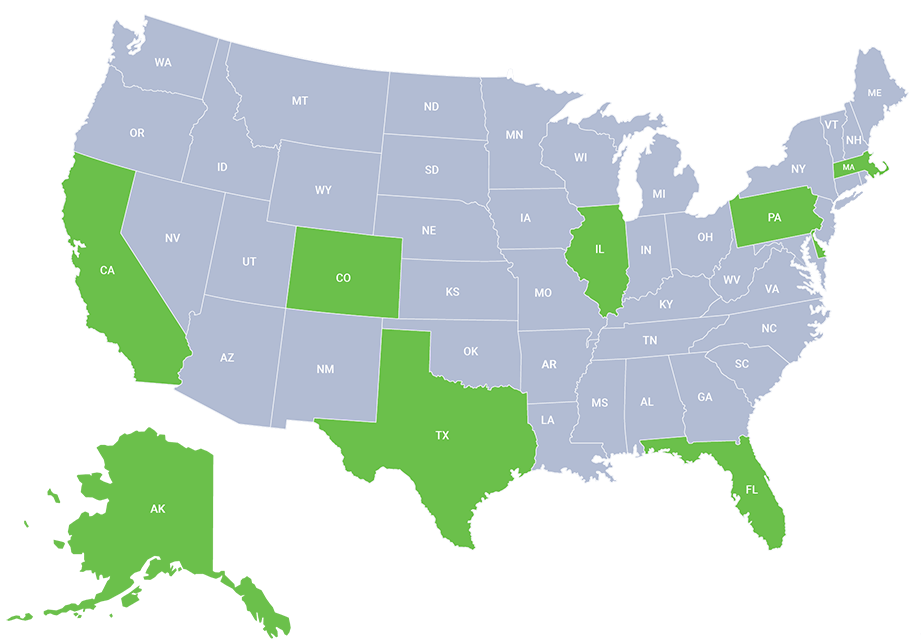
Involuntary hospitalization is complex and varies by state. Depending on the location of your loved one, options may range from a mobile crisis unit to an emergency evaluation to a legal petition to have them assessed against their will, to a court-ordered outpatient program, to an involuntary psychiatric hold. Start by contacting 988, your county crisis line, a local NAMI affiliate, an emergency department, or a qualified behavioral health provider. The process in one state may not be the same in another — you may be in Florida, Pennsylvania, California, or Texas, and be dealing with different laws, timelines, and personnel.
What meets criteria here?
Each state has specific legal criteria for involuntary evaluation. Asking this question directly helps you understand what standard applies in your location.
Who can assess them?
Knowing whether it's a mobile crisis team, a clinician at an emergency department, or a judge helps you understand where the process starts and who needs to be involved.
Can a mobile crisis team come to the home?
Many areas have mobile crisis teams that can respond to a home. This may be safer than trying to transport a resistant person and can provide a professional assessment in context.
What occurs post-assessment?
Understanding the possible outcomes — admission, referral, discharge with a safety plan — helps families prepare for what comes next and ask better follow-up questions.
Protect Safety Without Turning Yourself Into the System
Families frequently feel like it's their job to prevent any negative outcomes. Sometimes this leads to hypervigilance, sleepless nights, ultimatums, arguments, and overstepping into the role of clinician, attorney, and crisis intervention team all at once. Loving someone doesn't mean you can't need help. Set clear, realistic safety limits and boundaries. Do not attempt to manage a violent individual alone or while alone with them. Disengage from unsafe situations if you are able. Call 911 if there's an immediate threat. Make sure children, elders, and dependent persons in the home are included in the family's emergency plan.
However, try not to mention involuntary commitment as a way to force change. Telling someone, "I will have you committed," can increase fear, damage trust, and make them less willing to seek help. A more supportive approach is: "I'm concerned about your safety. I hope we can get help together voluntarily, but if I believe there is an immediate risk of harm, I will contact emergency services to keep everyone safe."
What to Expect If an Evaluation Happens
The evaluation process in an emergency room or behavioral health clinic can feel hasty. A patient can be asked about suicide, threats to others, psychosis, substance use, other medications, history of diagnoses, weapons, sleep, medical issues, and ability to care for basic needs. A family member may not be allowed into all the conversations, but they can still ask how to share information and where to send written notes.
The patient may be admitted, referred to outpatient care, held for further evaluation, discharged with a safety plan, or connected to community services. It helps to ask afterward: What symptoms or signs should trigger another call to 911? What are the recommendations for follow-up care? What should we do if the patient does not want to follow the next step?
What Families Should Avoid
When you're worried about a loved one, it's natural to want to do whatever it takes to get them help. However, it's important to communicate your concerns as accurately and honestly as possible. Exaggerating or dramatizing your loved one's symptoms may create confusion for healthcare providers, make it more difficult to assess the situation, and potentially strain trust within your relationship.
It's also important to avoid making promises you can't guarantee, such as assuring your loved one they will never have to go to the hospital if they agree to talk with you. Instead, be honest about what you can do while continuing to offer support and encourage treatment.
Finally, don't try to manage situations involving weapons, violent behavior or threats, severe intoxication, or suicidal thoughts on your own. Depending on the circumstances, the safest next step may be contacting a crisis service, encouraging a voluntary mental health evaluation, setting appropriate boundaries, arranging a substance use assessment, or sharing your concerns with your loved one's treatment provider when it is safe and appropriate to do so.
Speak With an Admissions Specialist
Fill out the form below and a member of our team will reach out within one business hour, confidentially and without pressure.
How Banyan Can Help Families Understand Next Steps
While Banyan Treatment Centers can't replace 911 or 988, a mobile crisis team, the ER, or the court, we can offer additional information about how we might help families understand their options after the immediate crisis has been addressed. If there is immediate danger, please utilize emergency resources first. After the immediate threat has been managed, Banyan may be able to offer treatment and recovery resources — this may include mental health treatment, substance use treatment, and co-occurring disorder support if applicable.
We also offer Family Resources as well as a Family Program for families of loved ones Banyan has treated, to learn more about communication and boundary setting, treatment resistance, support for the recovery process, and more.
Mental Health Treatment Programs
Once immediate safety has been addressed, Banyan can help families explore whether structured mental health treatment, substance use care, or co-occurring disorder support may be appropriate for the next phase of recovery.
Explore programs →Family Program Support
Banyan's Family Program can help loved ones understand treatment resistance, communication, boundaries, and what families can do while a loved one continues to refuse care.
Learn more →Admissions Guidance
Families can contact Banyan to ask questions about treatment options, insurance verification, and levels of care — even before a loved one agrees to treatment. Knowing what's available makes it easier to act quickly when they are ready.
Call 855-722-6926 →Related Guides
What Do I Do When My Loved One Refuses Treatment?
Practical steps when a loved one won't seek help — short of involuntary action.
Read the guide →What Are the Warning Signs of a Mental Health Crisis?
Knowing when the situation has reached a level that requires immediate action.
Read the guide →What Should I Do If I Think Someone Is Suicidal?
Immediate steps when safety is the primary concern.
Read the guide →What Is a Psychiatric Hold (5150) and When Does It Apply?
The legal mechanism behind involuntary evaluation — what it is and what it isn't.
Read the guide →When Is Inpatient Psychiatric Treatment Necessary?
Understanding the highest level of care and when it applies.
Read the guide →Family Programs
How Banyan's family program supports loved ones through the treatment process.
Read the guide →Additional Resources
Tools, community, and organizations to support your family's journey.
Crisis & Hotlines
Immediate help — national helplines and crisis resources for addiction and mental health emergencies.
View all crisis resources →Support Groups
Al-Anon, Nar-Anon, SMART Recovery Family & Friends, and peer groups for families.
Find a group near you →Blog & Articles
Clinician-authored articles, personal stories, and recovery news to keep families informed.
Read the Banyan blog →Insurance & Financing
Insurance verification, financing options, and navigating the cost of treatment.
Check your coverage →Downloadable Guides
Free PDFs on intervention, what to pack for treatment, and relapse prevention planning.
Free family addiction guide →About Banyan
Our clinical approach, accreditations, and the team behind Banyan's family-centered care model.
Meet our clinical team →