
Mental Health & Addiction Treatment in Ohio
Ohio Drug & Alcohol Treatment Centers
Ohio, a state known for its industrial cities, rich history, and a strong sense of community, has been at the forefront of America’s addiction crisis. The opioid epidemic, alcohol rehab abuse, and rising mental health concerns have had a profound impact on individuals and families across the state. Despite ongoing efforts to expand treatment services, many Ohioans still struggle to find accessible and effective care.
The state has made strides in increasing addiction treatment center options, but issues such as affordability, stigma, and rural access continue to hinder recovery efforts. Addressing these challenges is crucial to improving public health and reducing the economic burden of substance abuse treatment in Ohio.
Most Common Substance Abuse Issues in Ohio
Substance abuse remains a critical public health issue in Ohio, with opioids, alcohol, methamphetamine, and cocaine among the most pressing concerns. Major cities like Columbus, Cleveland, Cincinnati, Toledo, and Dayton have been particularly affected, experiencing high rates of addiction and overdose deaths.
Alcohol Abuse
Alcohol remains the most widely abused substance in Ohio. According to state reports, 58% of adults reported alcohol use in the past month, with 24% engaging in binge drinking. College towns such as Columbus (home to Ohio State University) and Athens (home to Ohio University) report some of the highest binge drinking rates in the state. Excessive alcohol consumption contributes to increased healthcare costs, impaired driving incidents, and alcohol-related fatalities.
Opioid & Fentanyl Crisis
Ohio has been one of the hardest-hit states in the opioid epidemic, with fentanyl fueling a surge in overdose deaths. In 2020, the state reported over 5,000 drug overdose fatalities, with fentanyl present in a majority of cases. Efforts such as naloxone distribution and medication-assisted treatment (MAT) programs have helped reduce fatalities, but opioid addiction treatment remains a pervasive challenge.
Methamphetamine Addiction
Methamphetamine use has surged in Ohio in recent years, particularly in rural areas. Law enforcement agencies report increasing meth-related arrests, and the drug rehab programprograms affordability has made it a significant public health threat. Unlike opioids, there is no FDA-approved medication for meth addiction, making behavioral therapy and comprehensive treatment programs essential for recovery.
Cocaine & Marijuana Abuse
Cocaine remains a problem in Ohio’s urban areas, particularly in cities like Cleveland and Cincinnati. Meanwhile, marijuana use has increased since the legalization of medical cannabis, with concerns over rising dependency rates among young adults. The state continues to monitor the impact of expanded marijuana access on public health.
Cities Facing the Biggest Substance Abuse Challenges
Columbus
- The state capital has high rates of opioid overdoses and alcohol-related incidents, particularly among college students.
Cleveland
- A major hotspot for fentanyl and heroin abuse, Cleveland has one of the highest overdose death rates in Ohio.
Cincinnati
- Opioid addiction remains a crisis in Cincinnati, with fentanyl-laced drug leading to a rise in overdose fatalities.
Toledo
- Methamphetamine and heroin abuse are significant concerns in Toledo, contributing to crime and public health challenges.
Dayton
- Previously ranked among the worst U.S. cities for opioid overdoses, Dayton has seen improvements due to increased harm reduction programs.
Mental Health Issues in Ohio
Ohio faces significant mental health challenges, with many residents struggling to access quality care. Some of the most common mental health conditions include:
Depression & Anxiety
Over 40% of Ohio adults reported experiencing symptoms of anxiety or depression in 2021.
PTSD
- Veterans, first responders, and individuals affected by trauma frequently struggle with PTSD, often leading to substance abuse.
Bipolar Disorder & Schizophrenia
- Severe mental illnesses are often underdiagnosed, particularly in underserved areas with a shortage of mental health professionals.
While Ohio has expanded telehealth services, there remains a need for more psychiatric care, crisis intervention, and dual-diagnosis treatment options.
Substance Abuse and Mental Health Challenges Among Ohio’s Military and Veterans
Ohio has a large veteran population, many of whom face unique challenges that increase their risk of substance abuse and mental health disorders.
Common Issues Faced by Military and Veterans in Ohio
Post-Traumatic Stress Disorder (PTSD)
- Many veterans struggle with PTSD due to combat exposure, increasing their risk of addiction and mental health struggles.
Substance Abuse as a Coping Mechanism
- Drug and alcohol use are often used to self-medicate PTSD, anxiety, and depression.
Chronic Pain and Prescription Medication Dependence
Many veterans suffer from injuries sustained in service, leading to opioid dependence.
Suicide Risk
- Veterans are at a higher risk forof suicide due to untreated mental health conditions and stigma surrounding seeking help.
Treatment and Resources for Veterans in Ohio
Ohio offers various programs and facilities that cater to veterans struggling with addiction and mental health challenges, including:
- VA Medical Centers providing addiction and mental health services.
- Peer support programs connecting veterans with others who have shared experiences.
- Trauma-informed therapy for PTSD and other service-related conditions.
- Medication-assisted treatment (MAT) for opioid and alcohol addiction.
- Family counseling and reintegration support to help veterans transition back to civilian life.
Expanding access to veteran-focused services ensures that those who have served receive the care and support they need.
Economic Impact of Addiction in Ohio
Substance abuse in Ohio results in significant economic losses due to healthcare expenses, workforce disruptions, and criminal justice costs.
Healthcare
- The opioid crisis has led to increased hospital admissions and emergency room visits.
Workforce Productivity
- Addiction contributes to absenteeism, job losses, and reduced workplace efficiency.
Criminal Justice System
- Drug-related arrests and incarcerations place a heavy burden on law enforcement and correctional facilities.
Child Welfare Services
- Many children in Ohio’s foster care system come from homes impacted by substance abuse.
Expanding treatment and prevention programs can help reduce these economic burdens and improve public health outcomes.
Getting Treatment at Nearby Banyan Treatment Centers
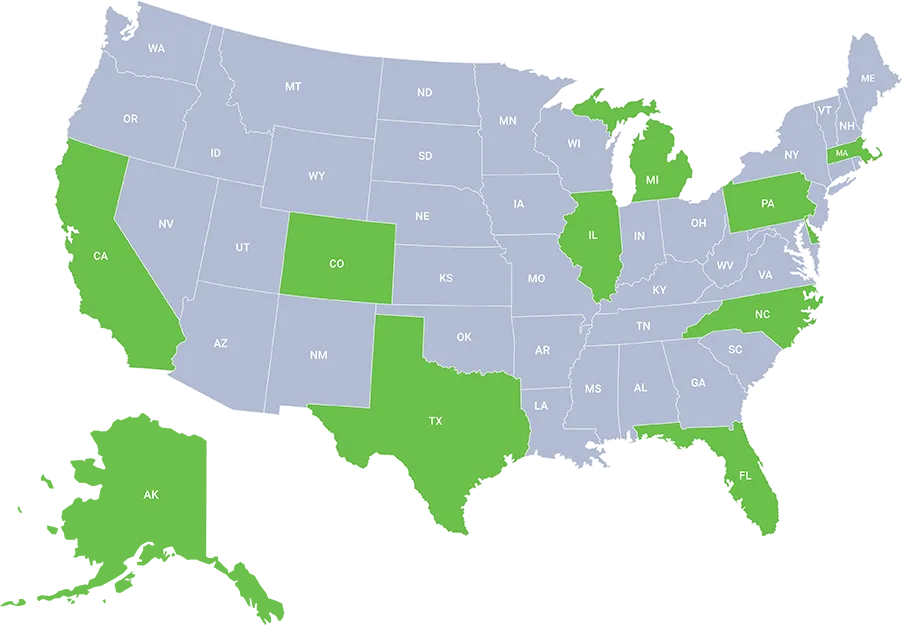
Seeking addiction or mental health treatment away from home can be a transformative experience. At Banyan Treatment Centers, we understand the importance of stepping outside familiar environments to focus entirely on healing. While we do not have a physical location in Ohio, we offer specialized inpatient and outpatient care at nearby facilities, providing Ohioans with expert, individualized treatment.
Choosing treatment away from home allows you to break free from daily triggers, negative influences, and unhealthy routines. It provides a fresh start in a supportive, structured environment where you can fully immerse yourself in recovery. Additionally, it encourages personal growth, independence, and the opportunity to build a strong foundation for long-term sobriety and mental wellness.
At Banyan Treatment Centers, we are committed to guiding you through every step of your journey with compassionate, evidence-based care. If you or a loved one is seeking lasting recovery, explore the benefits of getting treatment away from home with Banyan. Your healing starts here.
While Banyan Treatment Centers does not have a physical location in Ohio, we offer specialized inpatient and outpatient care at nearby facilities, providing Ohioans with professional drug addiction and mental health treatment tailored to their needs.
Clearbrook Pennsylvania – Residential Treatment
Located in Laurel Run, PA, Clearbrook PA provides 24/7 medically supervised care for individuals struggling with substance use and co-occurring mental health disorders. Programs include:
- Medical Detox – Safe, medically monitored withdrawal management to ensure patient comfort and safety.
- Residential Inpatient Treatment – A structured, immersive environment that helps individuals focus entirely on their recovery through therapy, counseling, and peer support.
- Partial Hospitalization Program (PHP) – A step down from residential care, PHP provides intensive therapy and structured support while allowing patients to begin practicing real-world coping skills.
- Dual Diagnosis Treatment – Specialized care for individuals with both substance use and mental health disorders.
Banyan Philadelphia (Langhorne, PA) – Outpatient Treatment
For individuals transitioning from residential care or those requiring structured outpatient support, Banyan Philadelphia in Langhorne, PA offers flexible treatment options, including:
- Partial Hospitalization Program (PHP) – A highly structured program providing intensive therapy while allowing patients to practice real-life coping skills.
- Intensive Outpatient Program (IOP) – Designed to support patients as they reintegrate into daily life, with continued therapy and structured support.
- Mental Health Program – Evidence-based treatment for depression, anxiety, PTSD, and other mental health conditions.
- Dual Diagnosis Treatment – Comprehensive care for individuals facing both substance use and mental health challenges.
With a seamless transition between levels of care, Clearbrook PA and Banyan Philadelphia work together to provide personalized, evidence-based treatment that empowers individuals on their path to long-term recovery. Our compassionate teams ensure that every patient receives continuous support, helping them build a healthier and more meaningful life.
Banyan Delaware – Outpatient Treatment
Banyan Delaware, located in Milford, offers comprehensive addiction treatment programs, including:
- Medical Detoxification: A medically supervised process to safely manage withdrawal symptoms and prepare patients for further treatment.
- Residential Treatment: 24/7 care in a structured environment, providing intensive therapy and support for individuals overcoming substance abuse.
- Partial Hospitalization Program (PHP): A structured program offering intensive care during the day, allowing patients to return home in the evenings, bridging the gap between inpatient and outpatient care.
- Cognitive Behavioral Therapy (CBT) & Dialectical Behavior Therapy (DBT): Evidence-based therapeutic approaches to help patients develop effective coping strategies and address underlying issues contributing to addiction.
- Group & Family Counseling: Supportive sessions aimed at strengthening relationships and building a robust support network essential for long-term recovery.
- Alumni & Aftercare Programs: Ongoing support and resources to assist individuals in maintaining sobriety and preventing relapse after completing treatment.
Clearbrook Massachusetts – Inpatient Treatment Center
Located in Baldwinville, MA, Clearbrook Massachusetts provides inpatient addiction treatment in a safe, therapeutic environment, helping individuals overcome substance use disorders through structured, evidence-based care.
Programs Include:
- Medical Detox – 24/7 medically supervised withdrawal management for a safe, comfortable detox process.
- Inpatient Residential Treatment – A highly structured program offering individualized care, therapy, and support to help patients build a solid foundation for recovery.
- Dual Diagnosis Treatment – Addressing co-occurring mental health conditions such as anxiety, depression, PTSD, and bipolar disorder alongside addiction treatment.
- Holistic & Evidence-Based Therapies – A combination of traditional and alternative therapies, including cognitive-behavioral therapy (CBT), group counseling, family therapy, and wellness-focused activities.
- First Responders Program – Specialized treatment designed for police officers, firefighters, paramedics, EMTs, and other first responders facing addiction and mental health challenges. This program focuses on the unique stressors and trauma associated with emergency response work while providing confidential, peer-supported care tailored to their needs.
Take the First Step Toward Recovery
If you or a loved one in Ohio is struggling with substance abuse or mental health challenges, help is available. Contact Banyan Treatment Centers today to begin your journey toward lasting recovery.
Ohio faces significant substance abuse challenges with a variety of widely misused drugs. Key substances include alcohol, heroin, methamphetamine, cocaine, prescription medications, and marijuana. It's not uncommon for individuals to experiment with more than one of these substances simultaneously, contributing to complex patterns of abuse.
Banyan Treatment Centers Facilities Nearby
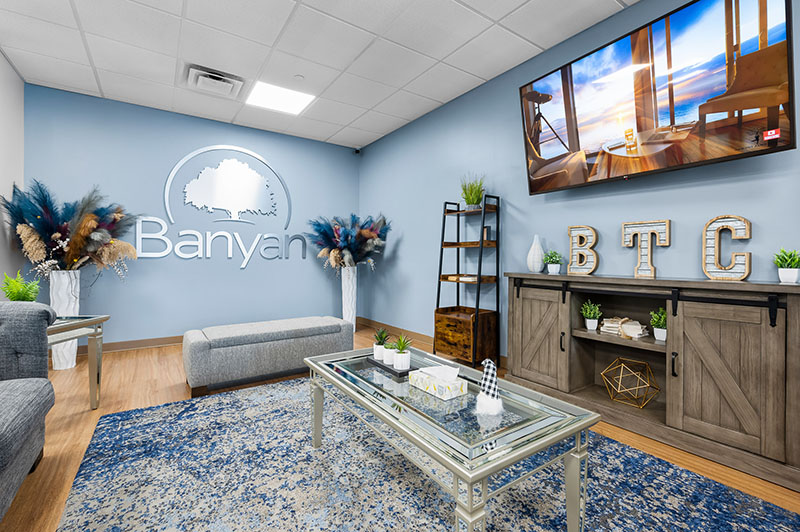
Banyan Delaware
Located in Milford, DE
Substance Use Inpatient Program
Substance Use Outpatient Program

Banyan Heartland
Located in Gilman, IL
Substance Use Inpatient Program
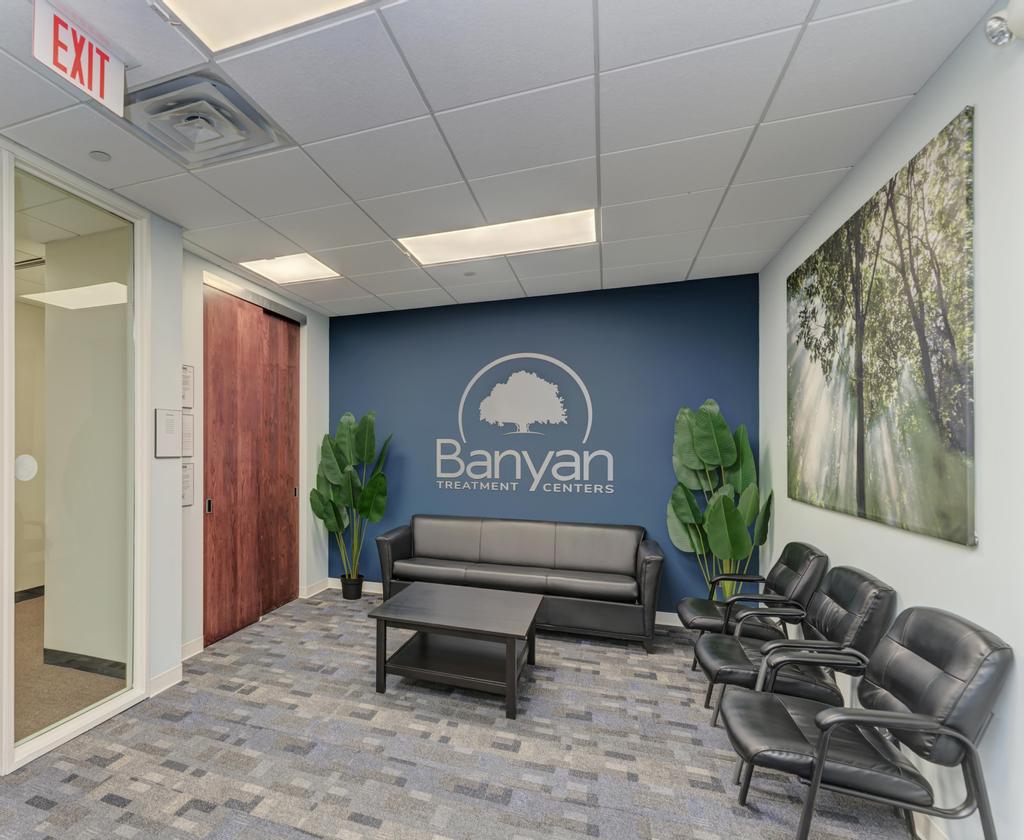
Banyan Chicago
Located in Lisle, IL
Substance Use Outpatient Program
Mental Health Outpatient Program