
Comprehensive Addiction and Mental Health Treatment in Maryland
Maryland Drug & Alcohol Treatment Centers
Maryland, with its scenic Chesapeake Bay, rich historical heritage, and diverse communities, faces unique challenges in addressing substance abuse and mental health. With a population of roughly 6 million residents and a mix of urban centers and suburban communities, most notably Baltimore (approximately 600,000 residents) and Annapolis (around 40,000 residents), Maryland’s varied landscape, from densely populated cities to quieter suburban and rural areas, complicates the delivery of comprehensive addiction and mental health care.
Most Common Alcohol and Drug Addiction in Maryland
Opioid Abuse
Maryland has not been immune to the opioid crisis. According to state health data, in 2021 the state recorded roughly 1,600 opioid-related overdose deaths—equating to about 27 deaths per 100,000 people. The widespread misuse of prescription painkillers such as oxycodone and hydrocodone has led many residents to transition toward illicit opioids like heroin and fentanyl. In response, Maryland has strengthened its prescription drug monitoring programs (PDMP) and boosted naloxone distribution by nearly 35% since 2020.
Methamphetamine Addiction
Methamphetamine abuse is an increasing concern, particularly in suburban and rural areas. In 2020, law enforcement agencies reported approximately a 15% statewide rise in meth-related arrests, while local hospitals observed a roughly 20% surge in treatment admissions for methamphetamine addiction over the past five years. These trends underscore the critical need for targeted interventions in Maryland’s less densely populated regions.
Alcohol Abuse
Alcohol misuse remains a pervasive issue across the state. Recent surveys indicate that nearly 25% of Maryland adults report binge drinking behaviors on a monthly basis. In urban centers like Baltimore, alcohol-related emergency room visits have risen by about 15% over the past three years, reflecting both the state’s social culture and the growing public health impact of alcohol abuse.
Marijuana Use
Recreational marijuana has been legal in Maryland since 2022. However, some treatment facilities still report challenges related to excessive use—approximately 15% of individuals in substance abuse programs have cited problematic marijuana use as a contributing factor. This highlights the ongoing need to balance legalization with robust public health education and support services.
Cities in Maryland Facing the Biggest Substance Abuse Challenges
Baltimore:
As Maryland’s largest city, Baltimore faces significant challenges with both opioid and alcohol addiction. The city’s overdose rate is estimated to be around 27 per 100,000 residents, and alcohol-related hospital visits have increased by nearly 15% in recent years.
Annapolis:
The state capital has seen a notable rise in prescription drug–related hospital admissions up by about 20% since 2018 reflecting the broader challenges of managing opioid and prescription drug abuse amid urban pressures.
Frederick:
Frederick has experienced growing issues with methamphetamine and heroin use. In 2021, meth-related incidents in the area increased by roughly 22%, underscoring the impact of drug trafficking and the need for enhanced law enforcement and treatment measures.
Hagerstown:
Although smaller, Hagerstown has recorded a 15% increase in treatment center admissions for opioid and alcohol dependency over the past four years, signaling the urgent need for expanded support services in the region.
Mental Health Issues in Maryland
Mental Health Challenges
Maryland faces increasing mental health challenges, particularly in urban and underserved areas. A study by the National Institute of Mental Health found that nearly 40% of Maryland adults reported symptoms of anxiety or depression in 2021.
Anxiety Disorders
Anxiety is among the most prevalent mental health challenges in Maryland. This category encompasses generalized anxiety disorder, panic disorder, and social anxiety disorder. Factors such as urban stressors, economic uncertainty, and seasonal changes often intensify anxiety symptoms.
Depression
Depressive disorders, including major depressive disorder, are widely reported across the state. Economic hardships, social isolation, and limited access to mental health care in some regions contribute to rising depression rates.
Post-Traumatic Stress Disorder (PTSD)
PTSD remains a significant issue, particularly among first responders, veterans, and individuals exposed to traumatic events in Maryland. With roughly 30% of these groups reporting PTSD symptoms, there is a pressing need for trauma-informed care, specialized group therapy programs, and robust support networks.
Bipolar Disorder and Schizophrenia:
Although less common than anxiety and depression, severe mental illnesses such as bipolar disorder and schizophrenia affect a notable segment of Maryland’s population. These conditions demand continuous, specialized treatment and are often underdiagnosed in suburban and rural areas due to limited access to psychiatric services.
Substance Use Disorders and Dual Diagnosis:
Many individuals in Maryland face the challenge of dual diagnosis, where substance use disorders co-occur with other mental health conditions. This intersection complicates treatment, as individuals require integrated care approaches that address both substance abuse and underlying mental health issues concurrently.
Substance Abuse and Mental Health Challenges Among Maryland’s Military and Veterans
Maryland is home to a significant veteran community—approximately 10% of its residents have served in the armed forces. These individuals face unique challenges:
- PTSD: Up to 35% of Maryland veterans experience symptoms of PTSD following combat or extended deployments.
- Substance Abuse as a Coping Mechanism: Over 25% of veterans report using alcohol or drugs to manage PTSD, anxiety, or depression.
- Chronic Pain and Opioid Dependence: Nearly 15% of veteran patients have become dependent on opioids for chronic pain management.
- Suicide Risk: The suicide rate among Maryland veterans is estimated to be 1.3 times higher than the national average, emphasizing the critical need for comprehensive mental health support.
Partnerships with the U.S. Department of Veterans Affairs (VA) are expanding access to trauma-informed therapy and medication-assisted treatment (MAT) across the state.
Economic Impact of Addiction in Maryland
The economic burden of substance abuse in Maryland is profound
- Healthcare: Opioid-related hospital admissions have surged by over 30% in the past five years, leading to escalating costs for emergency care and long-term treatment.
- Workforce Productivity: Addiction is estimated to cost the state nearly $1 billion annually in lost productivity, affecting key sectors such as healthcare, biotechnology, and local businesses.
- Criminal Justice System: A 15% increase in drug-related arrests over the past decade has intensified the strain on Maryland’s law enforcement and correctional systems.
- Child Welfare Services: Approximately 12% of children in Maryland’s foster care system come from homes impacted by substance abuse, underscoring the long-term social and economic ramifications of addiction.
Expanding Treatment Options Beyond Maryland
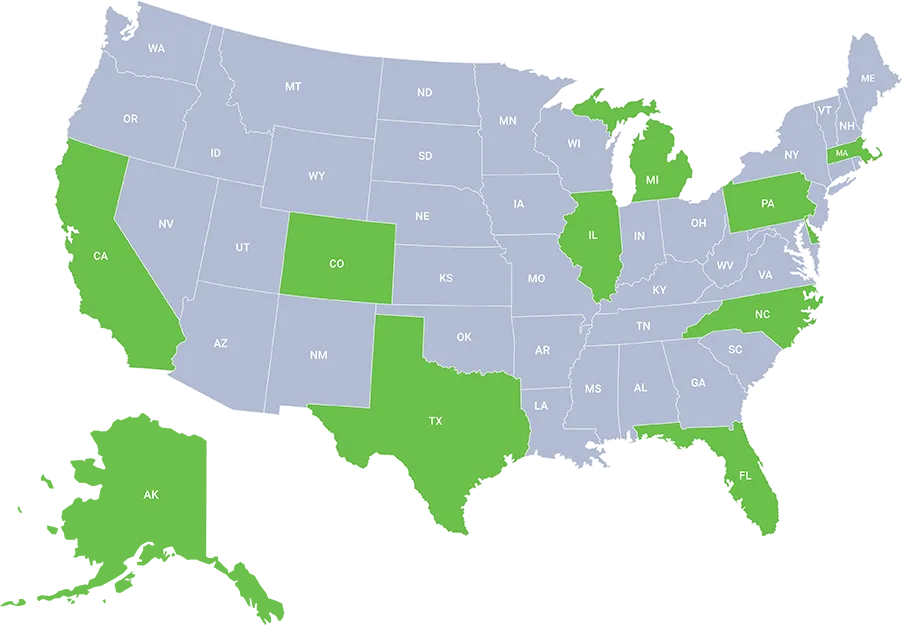
For individuals in Maryland seeking additional specialized treatment options, our network extends across neighboring states providing a continuum of care that addresses both addiction and mental health challenges. Our facilities in Pennsylvania, Massachusetts, and Delaware are designed to offer comprehensive, evidence-based programs in supportive, healing environments.
Clearbrook Pennsylvania
Clearbrook Pennsylvania serves as a vital resource for those in the Mid-Atlantic region, offering integrated addiction treatment for individuals dealing with substance use disorders. Key features include:
- Inpatient Addiction Treatment: Including medically supervised detox and residential care.
- Partial Hospitalization Programs: Structured services that allow patients to maintain daily responsibilities while receiving robust treatment.
- Holistic Therapies and Individualized Treatment Plans: Ensuring a focused and supportive recovery environment.
Clearbrook Massachusetts
Located in the scenic and tranquil setting of Massachusetts, Clearbrook Massachusetts offers a full continuum of care for addiction recovery. The center provides:
- Inpatient Addiction and Mental Health Programs: Tailored treatment options, including medically supervised detox and residential care.
- Holistic Therapies: Programs that integrate mindfulness, yoga, and experiential therapies to complement traditional behavioral interventions.
- Individualized Treatment Plans: Personalized approaches designed to meet the unique needs of each patient, ensuring a focused and supportive recovery environment.
Banyan Philadelphia
Situated in the heart of Philadelphia, Banyan Philadelphia leverages urban resources to offer dynamic, accessible treatment options. This intensive outpatient program is ideal for individuals with busy lifestyles who require flexible scheduling and high-quality care:
- Intensive Outpatient and Partial Hospitalization Programs: Structured services that allow patients to maintain daily responsibilities while receiving robust treatment.
- Extended Hours and Community Outreach: Programs designed to ensure accessibility, even for those with demanding schedules.
- Specialized Urban Care: An environment that taps into the cultural and professional resources of Philadelphia, providing unique opportunities for recovery and personal growth.
Banyan Delaware
Banyan Delaware offers a compassionate, multidisciplinary approach to addiction and mental health care, ensuring continuity of treatment through every stage of recovery:
- Inpatient Addiction Treatment: Tailored treatment options, including medically supervised detox and residential care.
- Partial Hospitalization Programs: Structured services that allow patients to maintain daily responsibilities while receiving robust treatment.
- Holistic Therapies: Programs that integrate mindfulness, yoga, and experiential therapies to complement traditional behavioral interventions.
- Individualized Treatment Plans: Personalized approaches designed to meet the unique needs of each patient, ensuring a focused and supportive recovery environment.
Benefits of Out-of-State Treatment
Opting for treatment outside of your home state can offer several advantages:
Reduced Exposure to Triggers:
- A change in environment can help remove you from familiar settings and social circles that may contribute to substance use, allowing for a more focused recovery.
Enhanced Privacy and Anonymity:
- Receiving treatment away from home can reduce stigma and offer a sense of anonymity, letting you concentrate fully on recovery.
Fresh Perspectives and Specialized Programs:
- Out-of-state facilities often offer innovative programs and therapies that may not be available locally.
Focused Recovery Environment:
- A new, supportive setting encourages the development of healthier routines and lifestyle choices critical elements for long-term success.
Get Started with Treatment
Maryland’s ongoing battle with substance abuse and mental health challenges calls for a multi-faceted, tailored approach. Our regional and out-of-state outpatient treatment centers are dedicated to guiding you through personalized assessments and creating targeted treatment programs. With specialized facilities near Maryland, we offer environments that minimize triggers, enhance privacy, and provide access to innovative therapies—paving the way for lasting recovery.
If you or a loved one in Maryland is struggling, know that help is available. Contact Banyan Treatment Centers today for addiction and mental health treatment near you, and take the first step toward a healthier, more fulfilling life.
Banyan Treatment Centers Facilities Nearby
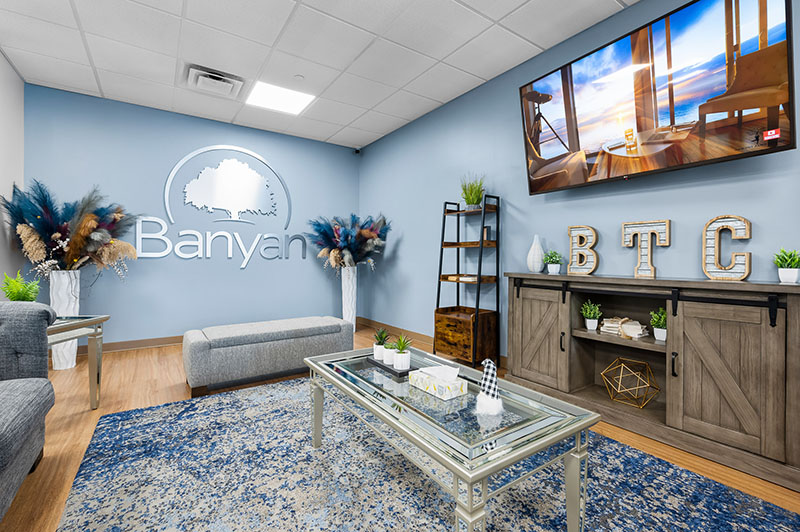
Banyan Delaware
Located in Milford, DE
Substance Use Inpatient
Substance Use Outpatient
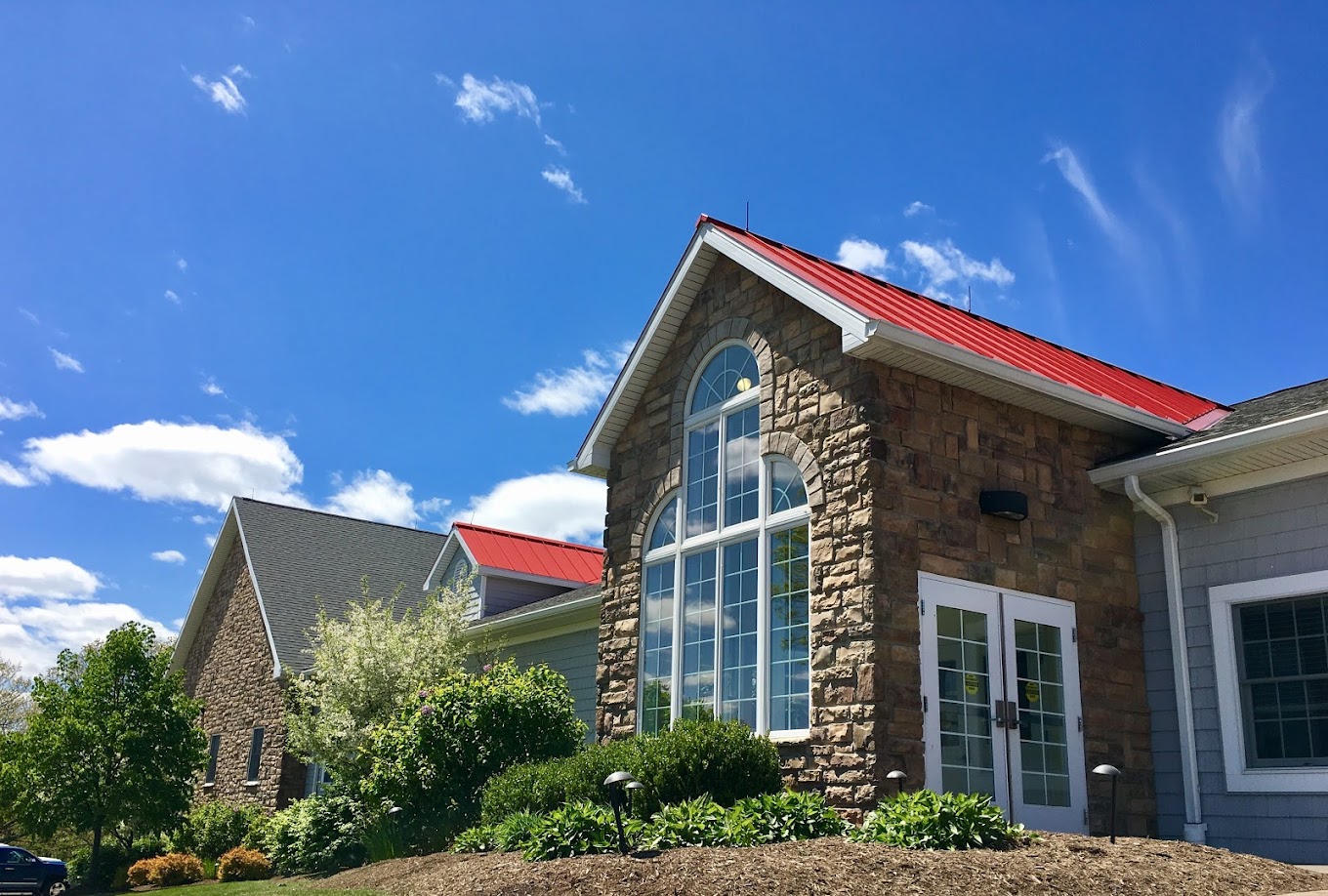
Clearbrook Pennsylvania
Located in Gulf Breeze, FL
Substance Use Inpatient
Substance Use Outpatient
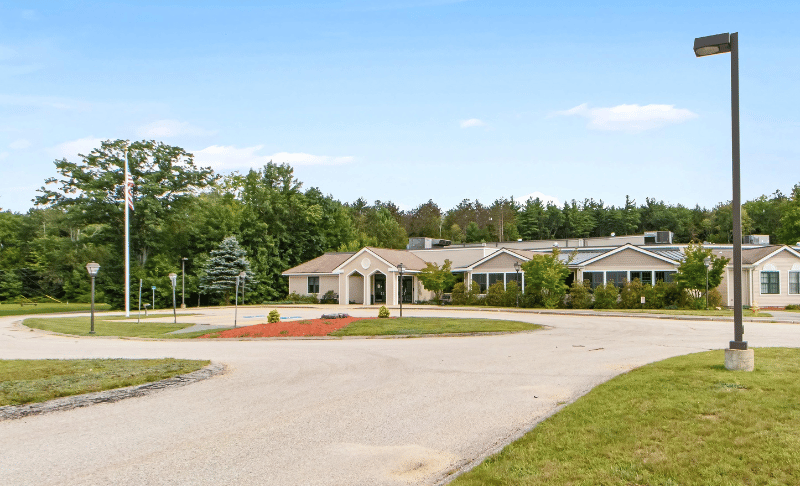
Clearbrook Massachusetts
Located in Baldwinville, MA
Substance Use Inpatient
Mental Health Outpatient
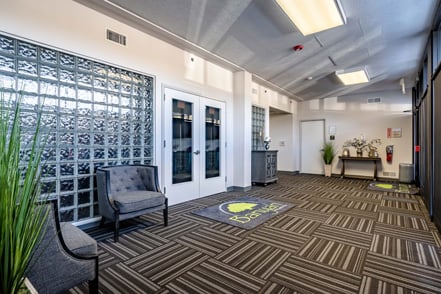
Banyan Philadelphia
Located in Langhorne, PA
Substance Use Outpatient
Mental Health Outpatient
Maryland faces significant substance abuse challenges with a variety of widely misused drugs. Key substances include alcohol, heroin, methamphetamine, cocaine, prescription medications, and marijuana. It's not uncommon for individuals to experiment with more than one of these substances simultaneously, contributing to complex patterns of abuse.