
An overdose is a traumatic, life-threatening event, but it can also be a powerful turning point. Whether it happens to you or someone you love, the question that follows is the same: What now?
At Banyan Treatment Centers, we believe that surviving an overdose can be the start of real recovery. With the right support and treatment, healing is possible, and help is just a call away.
If concerns about sustained recovery are affecting your daily life, the team at our addiction treatment center in Boca Raton, FL can guide you through partial hospitalization options designed for lasting recovery.
What Is an Overdose?
An overdose occurs when someone consumes more of a drug or substance than their body can safely process. This can overwhelm the body’s normal functioning and lead to dangerous or even fatal symptoms. Overdoses can be accidental or intentional, and they can happen to anyone, regardless of age, background, or prior substance use history.
When a person overdoses, their central nervous system, respiratory system, cardiovascular system, or brain may begin to shut down. In many cases, the person becomes unresponsive, stops breathing, or experiences a seizure or cardiac arrest. Quick medical intervention is essential to reverse the effects and prevent permanent damage or death.
Some signs of overdose may include:
- Loss of consciousness
- Slow or irregular breathing
- Blue or gray lips and fingertips
- Vomiting or gurgling sounds
- Seizures or tremors
- Clammy or cold skin
- Unresponsiveness to stimuli
It’s important to remember that even a nonfatal overdose can cause long-term physical and mental health issues. In many cases, it serves as a wake-up call that addiction has become life-threatening.
Getting into treatment is easy with our free insurance verification
"*" indicates required fields
Common Substances That Can Cause an Overdose
Overdoses are not limited to illegal drugs. Many prescription medications and even legal substances like alcohol can be fatal in large amounts. Common overdose-causing substances include:
Opioids
- Heroin, fentanyl, oxycodone, morphine, hydrocodone
- These drugs slow down breathing and heart rate, often leading to respiratory arrest
Benzodiazepines
- Xanax, Ativan, Valium, Klonopin
- Sedatives that can dangerously suppress the central nervous system, especially when combined with opioids or alcohol
Stimulants
- Cocaine, methamphetamine, Adderall, MDMA
- Can lead to seizures, heart attack, or stroke
Alcohol
- High blood alcohol levels can result in poisoning, unconsciousness, and suppressed breathing
Synthetic Drugs
- K2/spice, bath salts, designer opioids
- Potency is unpredictable, and effects can be deadly even in small doses
Polysubstance Use
- Many overdoses involve a combination of substances, which increases toxicity and complicates treatment
The Aftermath of an Overdose
After a person is stabilized medically, the emotional and psychological impacts often begin to surface. Feelings of fear, guilt, shame, and confusion are common. There may be legal or social consequences, strained family relationships, and overwhelming uncertainty about what to do next.
This is a critical point to intervene. According to the CDC, the period following a nonfatal overdose is a high-risk time for another overdose. However, it is also a time when many people are more receptive to help.
Treatment Options After an Overdose
Substance use disorder is a chronic disease that requires professional care. The best treatment plans are comprehensive, individualized, and trauma-informed. At Banyan Treatment Centers, we offer a full continuum of care, including:
- Medical Detox: The first step for most individuals. Our clinical team ensures substances are safely removed from the body with 24/7 supervision.
- Inpatient/Residential Treatment: Provides a structured, supportive environment away from triggers. Patients participate in individual and group therapy, relapse prevention, and life skills training.
- Partial Hospitalization Program (PHP): A step down from residential care with continued support and clinical services.
- Intensive Outpatient Program (IOP): Balances therapy with real-life responsibilities. Ideal for those transitioning from higher levels of care.
- Dual Diagnosis Treatment: For those with co-occurring mental health issues such as depression, anxiety, or PTSD.
- Medication-Assisted Treatment (MAT): Combines FDA-approved medications with therapy, especially effective for opioid and alcohol dependence.
- Aftercare Planning & Alumni Support: Ongoing resources and community to maintain long-term recovery.
Those struggling with sustained recovery may benefit from the aftercare and relapse prevention available at our recovery support facility in Cathedral City, CA, where treatment is tailored to individual needs.
Questions about our Facilities or Programs?
Our admissions coordinators are available 24/7 to answer any questions you may have as you consider whether treatment at Banyan is right for you or your loved one.
Finding Support After an Overdose
If You Recently Overdosed:
Surviving an overdose may leave you feeling scared, ashamed, or uncertain. But it also means you have another chance, a chance to break free from addiction and rebuild your life.
Here’s how to start:
- Reach out to a treatment provider like Banyan for a free and confidential assessment
- Talk to someone you trust about what happened
- Ask about detox, inpatient care, and therapy options
- Don’t wait for another overdose to happen, the time to seek help is now
You are not alone. Many of our team members are in recovery themselves and understand what you’re going through. We’re here to help you find hope, stability, and freedom.
If You’re a Loved One Trying to Help:
Watching someone you love overdose is heartbreaking. It can also leave you feeling helpless. But your actions matter, you can be the bridge between overdose and recovery.
Here’s what you can do:
- Contact Banyan Treatment Centers to speak with our admissions and clinical team
- Schedule a family consultation or intervention
- Learn about the treatment process and how to support someone during and after care
- Set healthy boundaries while staying emotionally connected
Family support is powerful. We offer therapy and educational programs for families so you can heal together.
Getting Support With Banyan Treatment Centers
Banyan Treatment Centers offers:
- 24/7 admissions for urgent situations
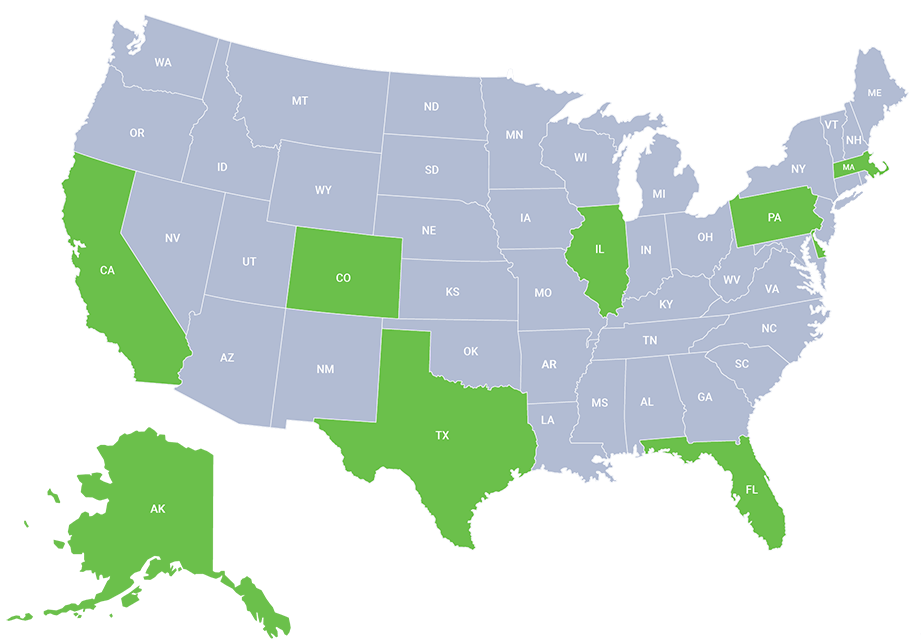
- Nationwide locations to make care accessible
- Specialized treatment plans for substance use and mental health
- Experienced, compassionate staff who guide you every step of the way
Whether you need detox, rehab, or outpatient support, we provide evidence-based care that addresses the whole person, mind, body, and spirit.
The Next Chapter Starts Now
An overdose is not the end. It’s a critical moment to change direction. toward healing, purpose, and long-term recovery.
Taking the first step toward recovery is possible — reach out to our recovery support facility in Castle Rock, CO to learn about long-term recovery support options that can make a difference.
If you or someone you love has experienced an overdose, don’t wait. Call Banyan Treatment Centers today or visit our website to explore your treatment options.
You survived. Let us help you live.
Wherever you are, we have you.
Not sure what level of care fits your needs? Our admissions team can help you understand your options confidentially.
Medical Disclaimer
Banyan Treatment Centers aims to improve the quality of life for people struggling with substance use or mental health disorders with fact-based content about the nature of behavioral health conditions, treatment options and their related outcomes. We publish material that is researched, cited, edited and reviewed by licensed medical professionals. The information we provide is not intended to be a substitute for professional medical advice, diagnosis or treatment. It should not be used in place of the advice of your physician or other qualified healthcare providers.