

The behaviors of people addicted to certain substances have grown into infamy over the years. A particular phrase that has garnered a substantial amount of attention is tweaking, although there is also misinformation surrounding it. The complexity of its causes and meanings are important to understand, particularly in the realm of prevention and recovery. As a Chicago addiction treatment center, Banyan is offering an informed perspective on what this behavior is, what drugs cause it, and why it should set off alarm bells.
What Does Tweaking Mean?
When discussing drug misuse, the term "tweaking" describes the intense and compulsive behavior that results from abusing stimulant drugs like methamphetamine, cocaine, or amphetamines. The word "tweak," which implies making a minor change or modification, is where the name "tweaking" comes from. However, when used in reference to drug usage, it acquires a more sinister meaning since it represents the wildly agitated and frantic condition that people who are using particular stimulants experience. Individuals may experience hyperactivity, restlessness, and an elevated level of alertness during a tweaking episode. Hallucinations, paranoia, and violent outbursts are frequently present as well.
The tweaking meaning goes beyond a simple physical reaction to drugs; it represents a condition of psychological upheaval defined by erratic conduct and separation from reality. As a result, it not only puts users' physical safety at risk but also their mental and emotional health.
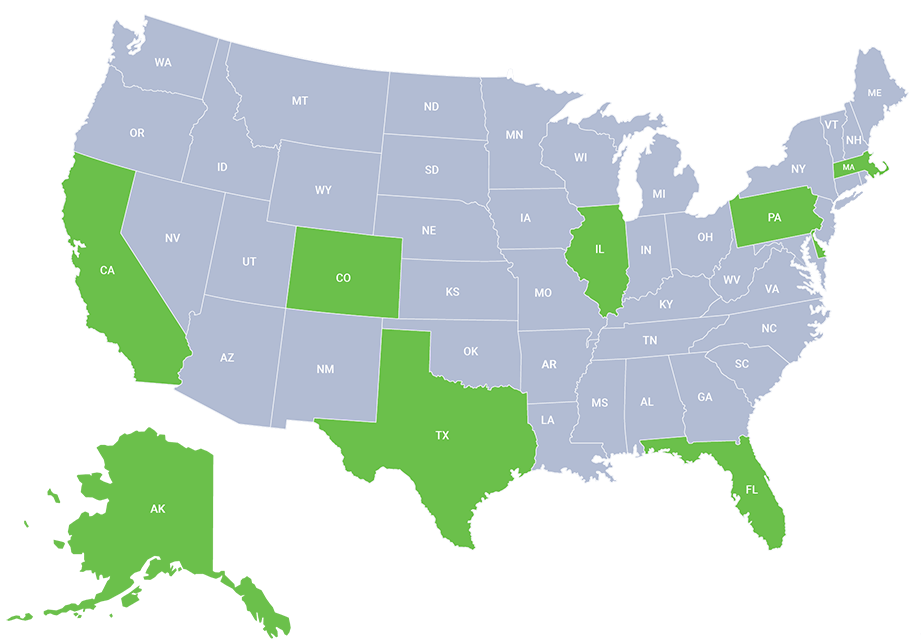
If you or someone you care about is dealing with substance use disorder, the professionals at our inpatient rehab facility in Boca Raton, FL provide inpatient rehab programs in a supportive environment.
Getting into treatment is easy with our free insurance verification
"*" indicates required fields
What Drugs Cause Tweaking?
A tweaker frequently develops a dependence on stimulant substances, especially those that have an impact on the central nervous system. These medications can cause intense and protracted episodes of agitation, hyperactivity, and erratic behavior.
Drugs that commonly lead to this behavior include:
- Methamphetamine: This highly addictive and potent synthetic stimulant can provide elevated levels of pleasure, enhanced energy, and intense focus. This means that tweaking from meth is quite common among users.
- Amphetamines: When abused or used at higher-than-recommended quantities, other amphetamines, such as Adderall or Ritalin, which are prescribed for medical illnesses including attention deficit hyperactivity disorder (ADHD), can also lead the user to tweak.
- Cocaine: During tweaking periods, this potent stimulant can cause great emotions of pleasure and confidence, but it can also cause agitation, impatience, and paranoia.
- Synthetic cathinones (Bath Salts): Chemically related to amphetamines, synthetic cathinones (also known as bath salts) are designer pharmaceuticals that can have serious side effects, including psychosis, violent behavior, and an increased risk of medical problems.
- Synthetic cannabinoids (Spice, K2): Despite being advertised as synthetic marijuana, synthetic cannabinoids (Spice, K2) are unrelated to cannabis. They can lead to acute agitation and psychosis, resulting in behavior like tweaking.
It is vital to remember that this behavior varies from person to person and may be influenced by elements including the person's tolerance, general health, and the purity or strength of the substance they are abusing. The damaging effects that substance misuse and addiction may have on one's bodily and mental well-being emphasize how crucial it is to comprehend the risks involved with using these substances.
Our drug and alcohol rehab in Cathedral City, CA provides medically supervised detox that can help individuals manage addiction through evidence-based approaches and personalized care plans.
Addressing Addiction at Our Chicago Drug Rehab
If you or a loved one finds themselves addicted to stimulants or other destructively addictive substances, Banyan offers diverse types of Illinois addiction treatment that can help. These programs can operate at different levels of care, ensuring that all patients are receiving the attention that is best suited to their unique needs. You do not have to remain a prisoner of an addiction or destructive substance. We are here to help you break away from the hold it has on you and get back to living the type of fulfilling life that you deserve.
Recovery from addiction starts with the right support — our residential treatment center in Castle Rock, CO offers residential recovery services to help you or your loved one take that next step.
Call Banyan Treatment Centers Chicago at 888-280-4763 to learn more about the therapy programs we offer and how they can help you or your loved one achieve sobriety.
Related Reading
The Damaging Mental Effects of Meth
How and Why Does Meth Make You Violent?
Sources
- NCBI / National Institute on Drug Abuse (NIDA). (2011). Stimulant Abuse: Pharmacology, Cocaine, Methamphetamine, and Prescription Amphetamines.
- New England Journal of Medicine. (2013). Neurologic Manifestations of Chronic Methamphetamine Abuse.
- NCBI Bookshelf / StatPearls. (None). Methamphetamine - StatPearls - NCBI Bookshelf - NIH.
- National Center for Biotechnology Information (NCBI/PMC). (2024). The Emergence of the Old Drug Captagon as a New Illicit Drug.
- National Institute on Drug Abuse (NIDA). (None). Psilocybin (Magic Mushrooms).
- NCBI Bookshelf (National Center for Biotechnology Information). (2023). Federal Regulation of Medication Dispensing.
- NCBI/PMC. (2014). Hair Drug Testing Results and Self-reported Drug Use among Primary Care Patients in a Buprenorphine Treatment Trial.
- Springer. (2015). Kava for the treatment of generalised anxiety disorder (K-GAD).
- National Center for Biotechnology Information (NCBI). (2013). Bath salts and synthetic cathinones: An emerging designer drug phenomenon.
- PubMed/NCBI. (None). Alcohol and cold.
- National Institute on Drug Abuse (NIDA). (None). Mind Matters: The Body's Response to K2/Spice and Bath Salts.
- Centers for Disease Control and Prevention (CDC). (None). About Synthetic Cannabinoids.
- BioMed Research International. (2014). Cannabinoids: New Promising Agents in the Treatment ... - PMC.
Wherever you are, we have you.
Not sure what level of care fits your needs? Our admissions team can help you understand your options confidentially.