


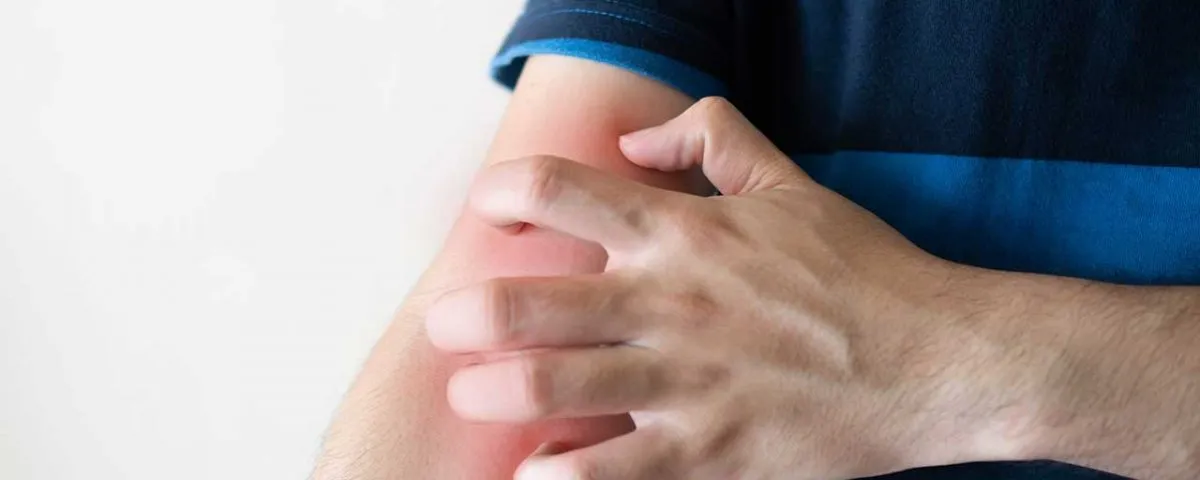
Narcotics, also known as opioids, are some of the oldest used substances known to humans. From prescription painkillers like fentanyl, Vicodin, and OxyContin, to illegal drugs like heroin and opium, narcotics are among the most common and widely known class of drugs. These substances are used as pain relievers. However, they may also be leading you to seek relief from itching! Using narcotics or living with a narcotic addiction may result in excessively dry skin. Keep reading to learn how to stop itching from narcotics!
Questions about our Facilities or Programs?
Our admissions coordinators are available 24/7 to answer any questions you may have as you consider whether treatment at Banyan is right for you or your loved one.
Why Do Opiates Make You Itch?
According to new data published in the Natural Chemical Biology Journal, opioids can trigger an immune system response that affects one of the significant receptor proteins on mast cell surfaces. Why does this fact matter? Well, mast cells (a type of white blood cells) play an essential role in the immune system, responding to specific inflammatory agents which can cause an allergic reaction. Opiates contain histamine, so the best thing to remedy the itching is an antihistamine. Some individuals experience more itching than others, depending on the level of sensitization.
Holistic Healing Therapies
When learning about how to stop itching from narcotics, keep in mind therapies like acupuncture, applying cold and heat, or even simply moving your body. Certain medications, like anti-inflammatory drugs, are also suggested for severe physical pain and to stop itching from narcotics.
Here are some holistic methods you can try if you need relief from itching:
- Apply an essential oil like menthol
- Wet wrap therapy
- Colloidal oatmeal
- Apple cider vinegar
- Moisturizers
- Baking soda
Long Term Effects of Narcotics
The misuse of substances can lead to the adverse side effects of narcotics. Long-term narcotics abuse can lead to a range of mental and physical health issues, such as breathing problems, low blood pressure, a high risk of a heart attack, or heart failure. Not to mention, sexual dysfunction and infertility are common, especially for women, when misusing drugs. Narcotic effects can vary depending on the tolerance of an individual. Still, a weakened immune system and bowel obstruction are usual effects people live with after long-term use of opioids.
Getting into treatment is easy with our free insurance verification
"*" indicates required fields
Texas Rehabilitation Center
Our successful Central Texas rehab welcomes and encourages you to take action. Our highly trained staff and specialists at Banyan are qualified to provide you with unique levels of care for substance abuse treatment to get you safely to recovery. In addition, licensed therapists and officials will support you through the withdrawal process and invite you to heal.
If you or a loved one is struggling with narcotic abuse, Adderall addiction, or any other addiction, or if struggling against mental illness, then seek more information now! Contact Banyan Treatment Center today at 888-280-4763 to learn more about our drug addiction treatment in Texas.
Related Reading:
Wherever you are, we have you.
Not sure what level of care fits your needs? Our admissions team can help you understand your options confidentially.
Medical Disclaimer
Banyan Treatment Centers aims to improve the quality of life for people struggling with substance use or mental health disorders with fact-based content about the nature of behavioral health conditions, treatment options and their related outcomes. We publish material that is researched, cited, edited and reviewed by licensed medical professionals. The information we provide is not intended to be a substitute for professional medical advice, diagnosis or treatment. It should not be used in place of the advice of your physician or other qualified healthcare providers.