

Demi Moore sat down with her three daughters, Jada Pinkett-Smith, Jada’s mother and daughter on the Facebook Watch series, “Red Table Talk” to tell all, on the heels of her autobiography, “Inside Out.”
Demi’s daughters, Tallulah, 25, Scout, 28, and Rumer 31, discuss what it was like to witness their actress mother struggling with a drug addiction and getting high. The 66-year-old actress started her battle with addiction when she was in her 20s. Demi Moore’s addiction started with heavily drinking and cocaine use just so that she would be able to cope with her increasing fame. She eventually sought treatment in 1985. She stayed sober for 20 years until she relapsed in her 40s. When Demi Moore relapsed, her daughters had stopped speaking to her, being that they were so alarmed by it.
“It’s like the sun went down and like, a monster came,” Tallulah said. “I remember there’s just the anxiety that would come up in my body when I could sense that her eyes were shutting a little bit more, the way she was speaking. Or she would be a lot more affectionate with me if she wasn’t sober.”
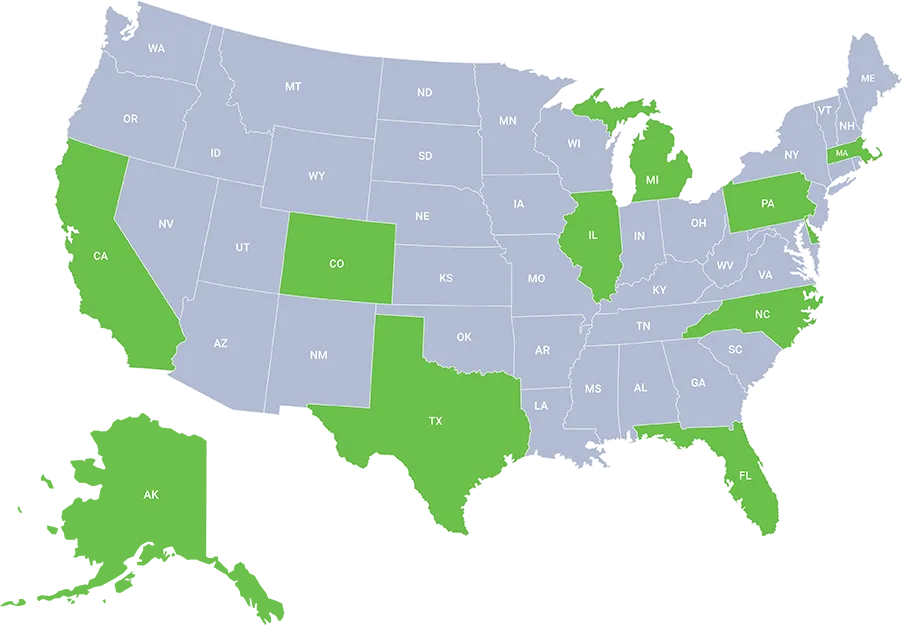
If you or someone you care about is dealing with long-term sobriety, the professionals at our rehab center in Boca Raton, FL provide aftercare and relapse prevention in a supportive environment.
Demi Moore Sober Again
Now that Demi Moore’s addiction is behind her and she is sober once again, her daughters are speaking very highly of her. Rumer says, “I think what I really respect about her is, she’s never the victim in her story. She takes accountability, she takes responsibility, and – mind you – this is her perspective, her story, and she’s the first one to say that.” Demi really dedicated herself to becoming a better person and strengthening her relationship with her daughters.
Learning From Demi’s Addiction and Recovery
Addiction not only affects the person abusing drugs, but it also affects their loved ones as well. Forgiving a drug addict parent is all about letting go of those harbored feelings of anger toward your loved one. Once you are able to forgive them, you can finally move forward with your own life.
At Banyan Treatment Centers, we know that it isn’t always as easy as forgive and forget. Because of this, we offer family programs that include group therapy for family members of addicts and the addict themselves to work through these problems.
If you or someone you love is battling with alcoholism or drug addiction, or has recently relapsed, there is a way out. With the right help and support, recovery is possible. Our professional drug and alcohol addiction treatment centers offers the full continuum of care so that we can be by your side every step of the recovery journey.
Our addiction treatment center in Cathedral City, CA provides medically supervised detox that can help individuals manage recovery through evidence-based approaches and personalized care plans.
Getting into treatment is easy with our free insurance verification
"*" indicates required fields
Recovery from recovery starts with the right support — our recovery support facility in Castle Rock, CO offers long-term recovery support to help you or your loved one take that next step.
Take the first step to get help and call today: 888-966-9413
Sources
- National Center for Biotechnology Information (NCBI), National Institutes of Health. (n.d.). Chapter 2—Influence of Substance Misuse on Families.
- Recovery Research Institute (Harvard Medical School). (n.d.). Continued drinking is common, but risky for individuals in remission ....
- National Center for Biotechnology Information (NCBI), National Institutes of Health. (n.d.). Family Involvement in Treatment and Recovery for Substance Use Disorders.
- PubMed (NIH). (n.d.). Paternal lineage effects of prenatal ethanol exposure.
- SAMHSA Treatment Improvement Protocol (TIP). (n.d.). Chapter 1—Introduction to Recovery From Problematic Substance Use.
- National Institute on Drug Abuse (NIDA) / SAMHSA. (n.d.). Quick Guide For Clinicians Based on TIP 45—Detoxification and Substance Abuse Treatment.
- SAMHSA. (n.d.). Managing Life with Co-Occurring Disorders - SAMHSA.
Wherever you are, we have you.
Not sure what level of care fits your needs? Our admissions team can help you understand your options confidentially.
Medical Disclaimer
Banyan Treatment Centers aims to improve the quality of life for people struggling with substance use or mental health disorders with fact-based content about the nature of behavioral health conditions, treatment options and their related outcomes. We publish material that is researched, cited, edited and reviewed by licensed medical professionals. The information we provide is not intended to be a substitute for professional medical advice, diagnosis or treatment. It should not be used in place of the advice of your physician or other qualified healthcare providers.