
The interaction between drugs and substances can be fascinating and complex. Chlordiazepoxide, a benzodiazepine drug, and alcohol, a commonly used psychoactive substance, have one such fascinating interaction. People who seek alleviation from anxiety or addiction may run across the complicated interaction that results when these two substances interact. Banyan Treatment Centers Palm Springs explores the complex interactions between chlordiazepoxide and alcohol, including their physiological consequences, potential dangers, and the value of making well-informed choices.
What Is Chlordiazepoxide?
Chlordiazepoxide, brand name Librium, is a prescription drug that is a member of the benzodiazepine class. Since its initial introduction in the 1960s, it has grown in popularity as a medication for treating anxiety disorders, the effects of alcohol withdrawal, and some types of insomnia. The substance in question works by interacting with the brain's gamma-aminobutyric acid (GABA) receptors to affect the central nervous system.
As a benzodiazepine, chlordiazepoxide increases GABA activity, which is an inhibitory neurotransmitter that helps regulate neuronal excitability. Chlordiazepoxide exerts a soothing and sedative impact on the brain by enhancing GABA's actions, which results in relaxation, decreased anxiety, and muscle relaxation. Typically, it comes in tablet form, with varying strengths according to the recommended dosage.
Because of the possibility of dependence and the likelihood of building tolerance over time, chlordiazepoxide is most usually prescribed for short-term use. People taking this drug must carefully follow the recommendations of their doctor, including dosage modifications and tapering off the prescription gradually when stopping use. Otherwise, they run the risk of developing addiction, withdrawal, or even overdose. For chlordiazepoxide to be used safely and effectively, it is essential to understand any possible interactions and side effects.
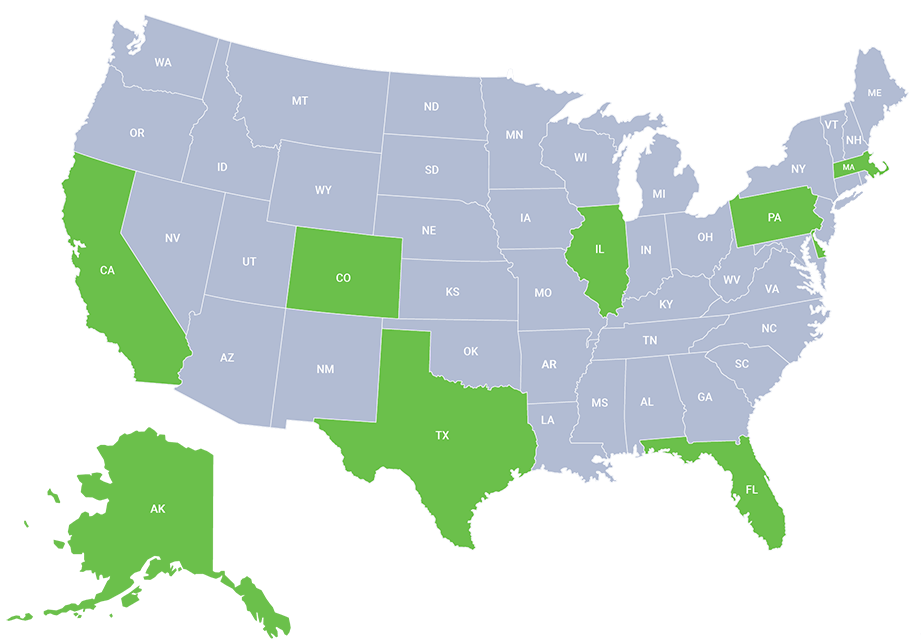
For those seeking help with problematic drinking, our alcohol detox and rehab facility in Cathedral City, CA provides medically supervised detox tailored to each individual's needs.
Questions about our Facilities or Programs?
Our admissions coordinators are available 24/7 to answer any questions you may have as you consider whether treatment at Banyan is right for you or your loved one.
How Chlordiazepoxide and Alcohol Are Correlated
Chlordiazepoxide is frequently recommended as a drug to treat the signs and symptoms of alcohol withdrawal syndrome, a potentially serious condition that can develop when people abruptly quit drinking alcohol or dramatically cut back after a period of intense or protracted drinking.
Alcohol withdrawal can manifest with a range of symptoms, including:
- Anxiety
- Insomnia
- Tremors
- Irritability
- Sweating
- Nausea and vomiting
- Headaches
- Increased heart rate
- Increased blood pressure
- Loss of appetite
- Restlessness
- Difficulty concentrating
- Mood swings
- Depression
- Fatigue
- Shakiness
- Seizures (in severe cases)
Chlordiazepoxide helps ease the discomfort and potential risks associated with withdrawal symptoms, lowering the possibility of seizures and other consequences when administered for alcohol withdrawal. By way of the impact of the drug on GABA activity in the brain, it helps to reduce excessive neuronal activity and regain equilibrium. Healthcare practitioners often base the quantity and length of chlordiazepoxide treatment during alcohol withdrawal on the patient's demands and the intensity of the withdrawal symptoms.
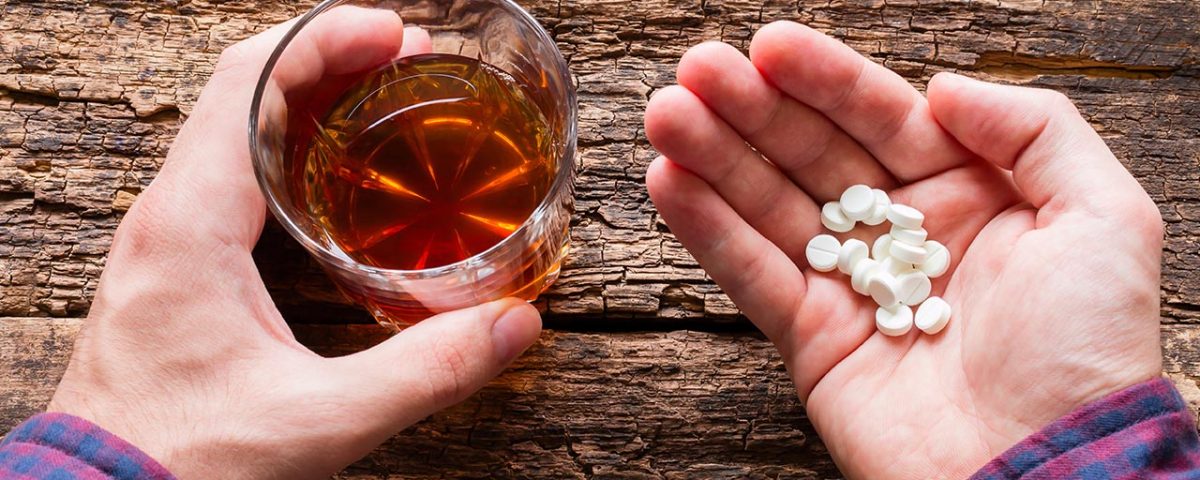
Though helpful in the course of alcohol withdrawal, it is crucial to emphasize that chlordiazepoxide should only be administered under medical supervision. Alcohol and chlordiazepoxide together might have potentially harmful effects. Combining these two depressants can result in greater sedation, respiratory depression, poor coordination, and memory issues. They also both have a depressant effect on the central nervous system. As a result, it's critical to completely follow your doctor's directions and refrain from drinking when using chlordiazepoxide for alcohol withdrawal.
If you or someone you care about is faced with the prospect of alcohol withdrawal, our California detox center can offer a treatment program that can help.
At our alcohol recovery center in Castle Rock, CO, individuals dealing with problematic drinking have access to outpatient services and a multidisciplinary team of treatment professionals.
Getting into treatment is easy with our free insurance verification
"*" indicates required fields
Recover From Addiction With Banyan Palm Springs
For those in need of additional support to break away from the addictions that harm you, our Southern California rehab offers both alcohol and benzo addiction treatment options. When a person is a part of our programs, they will have any and all concerns addressed by industry professionals, giving them the best shot at long-term success.
To learn more about treatment options for alcohol addiction, contact the professionals at our alcohol recovery center in Lisle, IL and take the first step toward a healthier life.
For expert alcohol or drug addiction help in California, call the intake specialists of Banyan at 888-280-4763 and begin the restorative process.
Related Reading
Wherever you are, we have you.
Not sure what level of care fits your needs? Our admissions team can help you understand your options confidentially.