
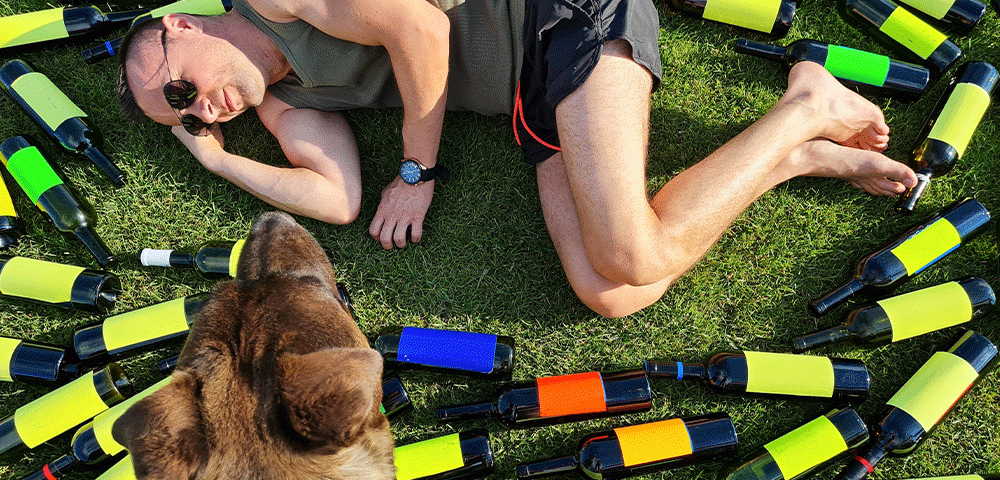
As pet therapy providers and animal lovers, our drug rehab in Sebring, FL, understands how substance abuse can impact pets. Dog owners, in particular, know that man’s best friend is especially perceptive. Our dogs know when we’re in a good mood and when we’re feeling down. However, can dogs tell when you’re drunk? While this may seem like a funny question, considering that alcoholism is one of the most common problems ailing Americans today, it’s not so odd to ask. Today, we’re looking into whether dogs can sense drunkenness and how heavy drinking or alcoholism can impact your ability to care for your furry friend properly.
What Are the Effects of Being Drunk?
According to the National Institute on Alcohol Abuse and Alcoholism, more than 86% of U.S. adults over the age of 18 have reported that they’ve drunk alcohol at some point in their lives. Research also shows that more than 6% of adults in the U.S. have an alcohol use disorder, which equates to roughly 1 in 12 men and 1 in 25 women. What’s more, over 95,000 people die from alcohol-related causes in the U.S. every year, making it the third leading preventable cause of death in the country.
With this in mind, it’s no surprise that many people in the U.S. have experienced being drunk before. And while many claim that alcohol is necessary for having a good time, it’s also no secret that the hangover that follows intoxication is no walk in the park.
As you drink alcohol, it goes into your bloodstream and affects the central nervous system as well as various functions. When you drink a lot, any mild side effects of alcohol are intensified.
Alcohol works by stimulating the neurotransmitter GABA. GABA is an inhibitory chemical messenger that slows down certain functions in the body, contributing to relaxation and sedation. This chemical is the main reason why people feel relaxed or sleepy when they drink.
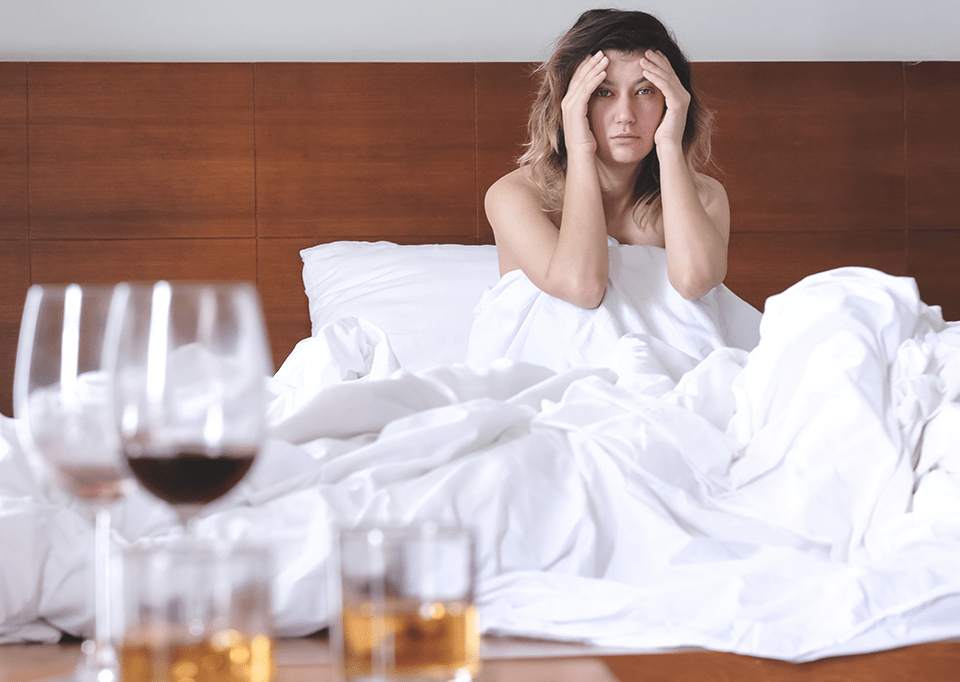
However, when consumed in excess, particularly consuming enough alcohol to get drunk, alcohol can severely impact your judgment, perception, concentration, coordination, and mood.
Other common effects of being drunk include:
- Blacking out
- Difficulty breathing
- Drowsiness
- Headache
- Impaired judgment
- Impaired memory
- Loss of coordination
- Nausea
- Slowed heart rate
- Slurred speech
- Vomiting
The more alcohol is consumed, the more intense these side effects will be. Additionally, being drunk can also lead to other dangers, including seizures, severe dehydration, injuries, vomiting, coma, and even death. It can be helpful to be aware of the signs of being drunk, so you can avoid possibly harming yourself and be prepared to help others.
If you or someone you care about is dealing with problematic drinking, the professionals at our alcohol recovery center in Cathedral City, CA provide alcohol use disorder treatment in a supportive environment.
Questions about our Facilities or Programs?
Our admissions coordinators are available 24/7 to answer any questions you may have as you consider whether treatment at Banyan is right for you or your loved one.
Can Dogs Tell When You’re Drunk or Intoxicated?
Yes, dogs can tell when you’re drunk. In simple terms, dogs can tell you’re drunk through body language, smell, behavior, and changes in routine. Dogs are very attuned to our every move, which is one of the most amazing aspects of the human-dog bond.
You Smell Different
When it comes to smell, it’s no secret that dogs have a much better sense of smell than we do. Some can even sniff out cancer or figure out when someone is pregnant based on the scents caused by a shift in hormones. For this reason, it’s no surprise that dogs can smell alcohol.
Therefore, the way you smell is the biggest giveaway that you’ve been drinking. While drinking a bit may just leave a smell on your breath, heavy drinking can lead to a heavy odor that exudes from your sweat and pores, which your dog can, of course, sniff out. If you get to this point, your dog may even avoid you a bit simply because your usual smell has changed.
You’re Acting Different
In addition to a change in your smell, your pet also responds to your body language. If you’re drunk, you might move differently and even behave differently toward your dog, which they’ll certainly notice. For instance, your voice might be slurred and higher or lower, and you might speak more aggressively or incoherently.
Because alcohol also impacts your coordination, you might also be bumping into chairs or stumbling around the house, which could even concern your dog. If you’re extra sleepy, your dog might also sense that something strange is happening.
Alcohol also impacts your mood, which can make you either aggressive and grouchy or overly empathetic and touchy-feely. They don’t call alcohol social lubricant for nothing – and that could impact the way you treat your dog.
For instance, your dog will definitely notice if you’re excitedly chasing them around the house or being extra touchy with them. On the other hand, your dog will also notice if you’re being more grouchy or aggressive than usual, which can make them feel scared and unsure of you. They might even avoid you.
Your Routine is Different
Your dog will also notice changes in your routine if you’re drunk. Just like humans, dogs are creatures of habit, and if your intense hangover leads to sleeping in, your dog might be antsy to go outside and do their business.
Signs Your Dog Feels Neglected Because You’re Drinking
Another major unfortunate side effect of being drunk – especially if you drink consistently or regularly – is possibly neglecting your pet. When you’re drunk, the last thing you’d likely feel like doing is taking your dog out for a walk or playing fetch with them. You might even go straight to bed when you get home, maybe after forgetting to feed them or refill their water bottle.
Animal neglect is also common among people with alcohol use disorders. An alcohol use disorder is characterized by an inability to control one’s consumption of alcohol to the point where drinking is their number one priority. This means that, as a result, pets are one of the many things in life that are neglected.
If you’re a heavy drinker or struggle with alcoholism, below are some common signs your dog feels neglected because of your drinking:
- They seem lethargic and tired
- They’re avoiding you
- They’re not as excited to see you when you get home
- They’re easily scared of you
- They’re sleeping more than usual
- They’re gaining or losing a lot of weight
- They have a poor appetite
- They’re acting out
- They have overgrown toenails
While heavy drinking and alcoholism take place on an individual level, this can have a massive impact on every person and thing in a person’s life, even their pet. If you’re noticing that you’re struggling to control your drinking or you’re neglecting your dog as a result of this, it’s time to get help. Our Sebring drug rehab offers an alcohol detox program that can help get you started.
Can Dogs Drink Alcohol?
While this should go without saying, you’d be surprised. To be clear, no, dogs cannot drink alcohol. Just like chocolate and onions, alcohol is toxic to dogs and can lead to severe injury and even death. Even small amounts of alcohol can have ingredients that are poisonous to dogs.
Signs of alcohol intoxication in dogs include:
- Disorientation
- Excessive panting
- High body temperature
- Muscle tremors and seizures
- Poor coordination
- Restlessness
- Vomiting
In severe cases, if left untreated, alcohol intoxication can result in organ failure and death. So if you tend to leave bottles out after drinking too much at home, think twice about what it might do to your dog.
For individuals in the Castle Rock area seeking support, our alcohol recovery center in Castle Rock, CO offers alcohol recovery programs, including medically supervised detox designed to address alcohol use disorder.
Getting into treatment is easy with our free insurance verification
"*" indicates required fields
Help for Alcoholism in Florida
If your dog has caught wind of your drinking habits, it’s definitely time to get help. Our Sebring, FL, drug rehab offers various types of addiction treatment, including alcoholism treatment that incorporates medical detox and therapy to help clients recover both physically and psychologically from addiction.
Don't let problematic drinking define your future — the team at our alcohol rehab in Milford, DE is ready to help with intensive outpatient programs and ongoing recovery support.
For more information about our services and how to get started, call Banyan Treatment Centers at 888-280-4763 or send us your contact information.
Source:
- NIAAA - Alcohol Facts and Statistics
Related Reading:
Sources
- Frontiers in Pediatrics. (2021). The Need for Special Education Among ELBW and SGA Children.
- Centers for Disease Control and Prevention (CDC). (2020). Deaths and Years of Potential Life Lost From Excessive Alcohol Use — United States, 2011–2015.
- National Institute of Mental Health (NIMH). (None). Schizophrenia - National Institute of Mental Health (NIMH).
- National Institute on Alcohol Abuse and Alcoholism (NIAAA). (None). Alcohol and the Brain: An Overview.
- National Institute on Alcohol Abuse and Alcoholism (NIAAA). (None). Understanding the Dangers of Alcohol Overdose.
- Primary Care Companion to the Journal of Clinical Psychiatry. (2004). A Review of the Neuropharmacology of Bupropion, a Dual Norepinephrine and Dopamine Reuptake Inhibitor.
- National Center for Biotechnology Information (NCBI). (2005). Alcohol in the body.
- NCBI Bookshelf / StatPearls. (2024). Amphetamine Toxicity - StatPearls - NCBI Bookshelf - NIH.
- Pharmacology Biochemistry and Behavior. (2012). Brain regional differences in CB1 receptor adaptation and the effects of cannabinoids on emotional learning.
- Western Journal of Emergency Medicine. (2009). Correlates of Cruelty to Animals in the United States - PMC - NIH.
Wherever you are, we have you.
Not sure what level of care fits your needs? Our admissions team can help you understand your options confidentially.
Medical Disclaimer
Banyan Treatment Centers aims to improve the quality of life for people struggling with substance use or mental health disorders with fact-based content about the nature of behavioral health conditions, treatment options and their related outcomes. We publish material that is researched, cited, edited and reviewed by licensed medical professionals. The information we provide is not intended to be a substitute for professional medical advice, diagnosis or treatment. It should not be used in place of the advice of your physician or other qualified healthcare providers.