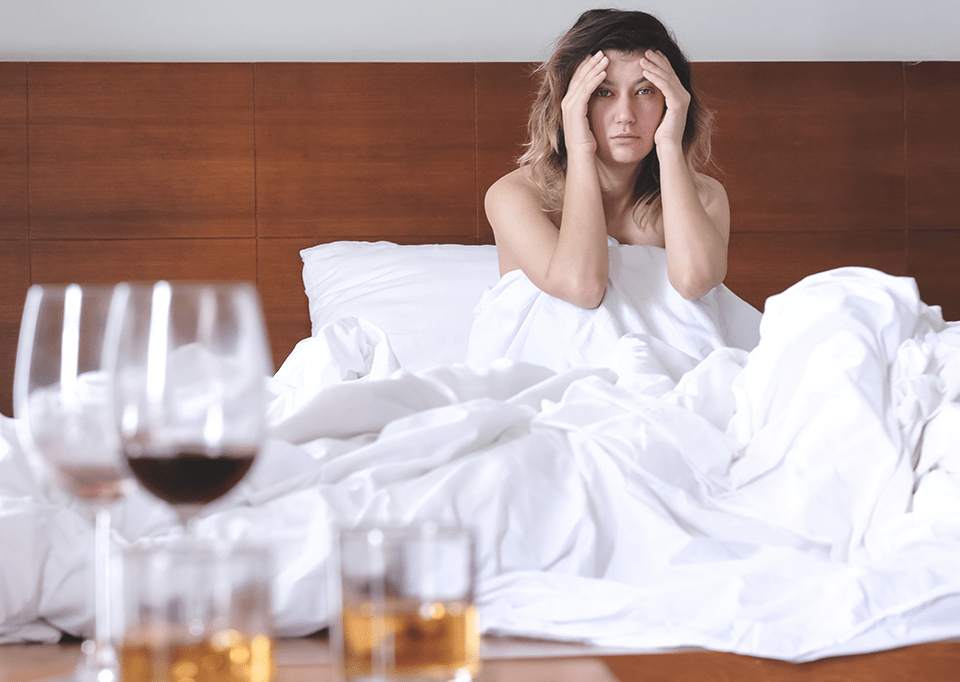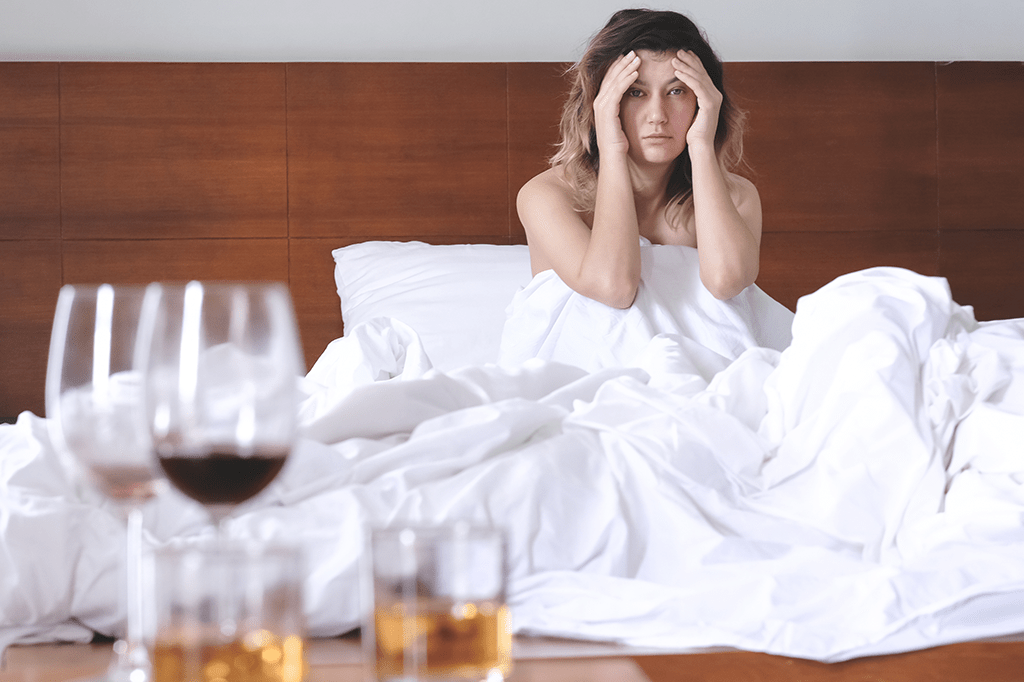



Long-term, excessive alcohol consumption can profoundly affect an individual's life, impacting relationships, career, demeanor, and overall health. Chronic drinking is linked to a variety of serious health issues, including liver disease, brain damage, and harm to other internal organs. One less commonly discussed but notable effect of excessive drinking is a condition referred to as the "alcoholic nose." Banyan Treatment Center explores this phenomenon, its causes, and its implications.
What is the "Alcoholic Nose"?
The term "alcoholic nose" is often used to describe a condition known as rhinophyma. This condition is a severe form of rosacea, a chronic skin condition that is inflammatory and primarily affects the face. Rhinophyma is characterized by the following symptoms:
- Swelling and Thickening: The skin on the nose becomes swollen and thickened, leading to a bulbous appearance.
- Redness and Inflammation: Broken blood vessels and inflammation result in a reddish or purplish hue.
- Bumpy Texture: The affected area can develop a rough, bumpy texture due to enlarged pores and thickened skin.
Rhinophyma results from the chronic inflammation associated with rosacea, which can be triggered or worsened by various factors, including alcohol consumption. While drinking alcohol does not directly cause rhinophyma, it can exacerbate the symptoms of rosacea and contribute to the development of the condition in predisposed individuals.
Understanding the Connection Between Alcohol and Rhinophyma
Rhinophyma and Rosacea:
Rosacea is a common skin condition that causes redness and visible blood vessels on the face. Other rosacea symptoms can include acne-like breakouts and a swollen nose. Rhinophyma is a subtype of rosacea that specifically affects the nose, leading to its characteristic enlargement and redness.
Role of Alcohol:
Alcohol can act as a trigger for rosacea flare-ups due to its effects on the skin and blood vessels. It can cause blood vessels to dilate, leading to increased redness and inflammation. For individuals with rosacea, alcohol can worsen these symptoms, potentially leading to the development of rhinophyma. However, it is essential to note that not everyone with rosacea will develop rhinophyma, and not everyone with rhinophyma is necessarily an alcoholic.
If concerns about alcohol misuse are affecting your daily life, the team at our alcohol addiction treatment center in Cathedral City, CA can guide you through partial hospitalization options designed for lasting recovery.
Questions about our Facilities or Programs?
Our admissions coordinators are available 24/7 to answer any questions you may have as you consider whether treatment at Banyan is right for you or your loved one.
Other Names and Misconceptions
The term "alcoholic nose" is sometimes used interchangeably with other names for rhinophyma, such as:
- Alcohol Nose
- Drinker’s Nose
- Potato Nose
- Whiskey Nose
These names reflect a common stereotype linking rhinophyma with chronic alcohol abuse. However, this stereotype can be misleading. While alcohol consumption can exacerbate rosacea and contribute to rhinophyma in some individuals, it is not the sole cause. Many people with rhinophyma do not have a history of alcohol abuse, and not everyone who drinks excessively will develop this condition.
The Stigma Surrounding Rhinophyma
The association between a red, swollen nose and alcoholism has been entrenched in popular culture for decades. American actor W.C. Fields, known for his heavy drinking, popularized the term "gin blossom" to describe his bulbous nose. This term reinforced the stereotype of the "drunken" appearance, contributing to the stigma surrounding both rhinophyma and alcohol addiction.
Impact of Stigma:
The stigma associated with rhinophyma and alcoholism can have several detrimental effects:
- Social Isolation: Individuals with visible symptoms may face judgment and social exclusion, which can lead to feelings of shame and isolation.
- Reluctance to Seek Help: The fear of being judged or stigmatized may prevent individuals from seeking medical help or addiction treatment, exacerbating their condition.
The Broader Effects of Alcohol on Physical Appearance
Beyond rhinophyma, excessive alcohol consumption can lead to various changes in physical appearance. These effects can include:
- Facial Bloating: Alcohol is a diuretic that can cause dehydration and fluid retention, leading to puffiness and bloating in the face.
- Glass Eyes: Chronic alcohol use disorder can result in bloodshot and glassy eyes due to the dilation of blood vessels and irritation.
- Hair Issues: Alcohol can contribute to hair problems such as thinning, dryness, and breakage, as it depletes essential nutrients and causes dehydration.
- Unpleasant Odor: The residual alcohol in the body can cause a persistent, unpleasant odor as it is metabolized and excreted.
- Skin Changes: Excessive drinking can lead to premature aging signs, including wrinkles, fine lines, and dark circles around the eyes, due to the dehydrating effect of alcohol and its impact on skin elasticity.
Those struggling with alcohol dependence may benefit from the alcohol addiction treatment available at our alcohol recovery center in Castle Rock, CO, where treatment is tailored to individual needs.
Getting into treatment is easy with our free insurance verification
"*" indicates required fields
Seeking Help at Banyan Treatment Center
Recognizing the impact of excessive drinking on both physical appearance and overall health is crucial in addressing addiction and seeking appropriate treatment. At Banyan Treatment Center, we are committed to providing comprehensive support for individuals struggling with alcohol addiction.
Our Approach:
- Detox Programs: Our Milford rehab facility and other facilities around the nation offers a safe and effective detox program designed to help individuals cleanse their bodies of alcohol and its toxins.
- Residential Treatment: We provide residential treatment options that offer a focused and supportive environment, allowing patients to immerse themselves fully in the recovery process.
Recovery from alcohol use disorder starts with the right support — our alcohol detox and rehab facility in Milford, DE offers alcohol addiction treatment to help you or your loved one take that next step.
Take the First Step Toward Recovery:
If you or a loved one is struggling with alcohol addiction and its associated health impacts, Banyan Treatment Center is here to help. For more information about our alcohol addiction treatment options, call us today at 888-280-4763 or visit our website to learn more about our programs.
Related Readings
Sources
- National Institute on Alcohol Abuse and Alcoholism (NIAAA). (n.d.). Medical Complications: Common Alcohol-Related Concerns.
- National Center for Biotechnology Information (NCBI). (2019). Rhinophyma: when Red Nose Day is no laughing matter - PMC - NIH.
- NCBI Bookshelf. (n.d.). Rhinophyma - StatPearls - NCBI Bookshelf.
- BMJ Publishing Group. (2017). Alcohol intake and risk of incident rosacea in US women. DOI: 10.1136/bmj.i3512
- StatPearls Publishing. (2015). Rhinophyma - PMC - NIH.
- NCBI Bookshelf - NIH. (n.d.). Rosacea - StatPearls - NCBI Bookshelf - NIH.
- Health Service Executive (HSE). (n.d.). How alcohol affects your looks.
- World Journal of Clinical Cases. (2019). Illicit drugs: Effects on eye - PMC. DOI: 10.12998/wjcc.v7.i22.3564
- Dove Medical Press. (2024). Lifestyle factors affecting the pathogenesis of androgenetic alopecia.
- Journal of Clinical and Aesthetic Dermatology. (2019). Impact of Smoking and Alcohol Use on Facial Aging in Women - PMC.
- StatPearls Publishing. (2020). Rhinophyma: Prevalence, Severity, Impact and Management - PMC.
Wherever you are, we have you.
Not sure what level of care fits your needs? Our admissions team can help you understand your options confidentially.
Medical Disclaimer
Banyan Treatment Centers aims to improve the quality of life for people struggling with substance use or mental health disorders with fact-based content about the nature of behavioral health conditions, treatment options and their related outcomes. We publish material that is researched, cited, edited and reviewed by licensed medical professionals. The information we provide is not intended to be a substitute for professional medical advice, diagnosis or treatment. It should not be used in place of the advice of your physician or other qualified healthcare providers.