



Education
- General Psychiatry Residency (2020–2023) and Transitional Year (2019–2020) at Piedmont Macon Medical Centers in Georgia.
- Doctor of Medicine (M.D.) from Xavier University School of Medicine, Aruba, in 2016.
- Holds a Project Management Certificate and a Business Administration diploma from Humber College in Toronto.

Our facility has a higher success rate than other similar treatment facilities.
Meet Our Medical Director at Banyan Castle Rock
Dr. Navdeep Dhillon, MD
Dr. Navdeep Dhillon is a Board-Eligible Psychiatrist with experience across inpatient, outpatient, residential, and detox settings. She currently serves as Medical Director at Banyan Treatment Centers in Castle Rock, CO, where she oversees interdisciplinary treatment planning, complex diagnostic evaluations, and psychopharmacological management for patients with co-occurring mental health and substance use conditions.
Additionally, Dr. Dhillon works with Compass Health Systems, providing outpatient psychiatric care in Colorado. She has also served as a mentor/preceptor for Advanced Practice Providers (APPs) and psychiatry trainees, emphasizing evidence-based care and regulatory compliance.
Her training includes General Psychiatry Residency (2020–2023) and Transitional Year (2019–2020) at Piedmont Macon Medical Centers in Georgia. She earned her Doctor of Medicine (M.D.) from Xavier University School of Medicine, Aruba, in 2016. In addition, she holds a Project Management Certificate and a Business Administration diploma from Humber College in Toronto.
Dr. Dhillon has contributed to multiple research initiatives and presentations in psychiatry and cardiology, including:
- “Establishing a Therapeutic Curriculum in the Behavioral Health ED” – Quality Improvement Project, Piedmont Macon Medical Centers, Research Day Presentation (May 2022).
- Wellness Crew Initiative (2022–2023): Developed mental health awareness curriculum for K–12 schools to normalize conversations about depression, anxiety, bipolar disorder, substance use, and suicide prevention.
- Case Report Presentation: “Dilemma in treating substance use in advanced pregnancy” (2020).
- Abstract 209 – Circulation: Cardiovascular Quality and Outcomes (2019): “Sex Differences in Characteristics, Symptoms, and Management of Geriatric Patients with Atrial Fibrillation: Insights from the SAGE-AF Study.”
- Research Associate/Assistant in NIH-funded studies on systemic assessment of geriatric elements in atrial fibrillation at University of Massachusetts Medical School and Mercer University School of Medicine.
“Psychiatry is more than diagnosing and prescribing. It is about restoring hope and helping people feel whole again. Addiction and mental health challenges don’t define people; rather, they show the courage it takes to ask for help. The greatest reward in my work is watching people find hope, joy, and balance in their lives again.”
-Navdeep Dhillon, MD


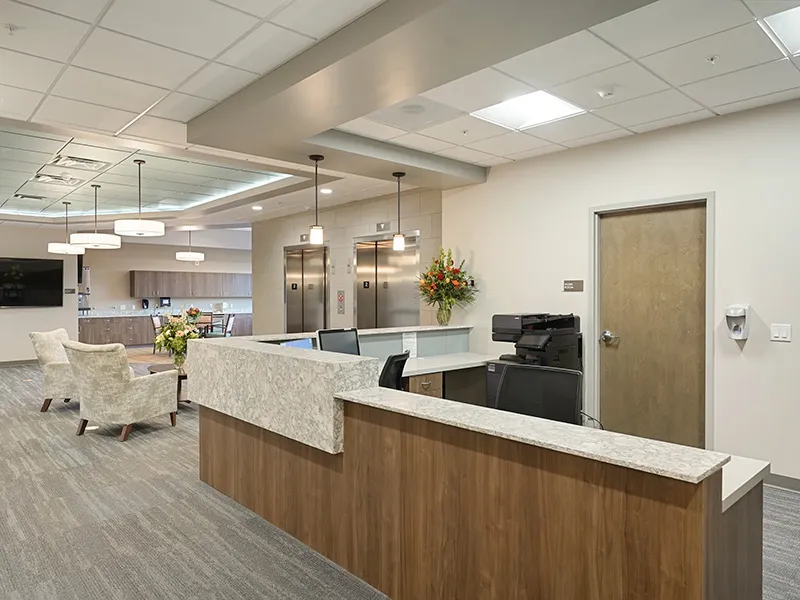
Below is a list of the various types of addiction specialists and doctors that are normally on staff in a rehab facility.
An Advanced Registered Nurse Practitioner (ARNP) is a registered nurse who completed graduate-level education and has the primary responsibility of caring for the patient. The roles of licensed ARNPs include:
- Examining patients and establishing diagnoses according to client history, physical examination, and other forms of care
- Admitting, managing, and discharging patients to and from health care centers
- Ordering, collecting, performing, and interpreting diagnostic examinations
- Managing health care by identifying, developing, implementing, and evaluating a care plan for the individual
- Prescribing therapies and medical equipment for treatment
- Prescribing medications, when necessary
Substance abuse nurse practitioners offer addiction recovery medical services to treat clients in our facilities. Nurses on our staff have a combination of advanced degrees and certifications in mental health and substance abuse nursing to ensure our clients receive the best care possible.
Medical directors have years of experience managing health care facilities. Their qualifications must address the various responsibilities of the role.
Like other addiction treatment facilities, Banyan involves a hierarchy of professional addiction specialists in leadership roles. At the top of this hierarchy is the medical director (MD).
Our medical director provides oversight on all our facilities’ medical-related duties. They ensure that all medical staff members follow guidelines, protocol, and provide high-quality care to clients while ensuring their team members’ needs are being met.
Typical roles of a medical director in addiction treatment include:
- Enforcing an environment in which medical professionals can safely and effectively work
- Developing policies and protocols that match the health care institution’s guidelines to ensure client safety and treatment efficacy
- Supervising and evaluating medical staff operations
- Working with institutional leadership to meet the health care system’s goals
- Staying up-to-date on the latest medical advancements and changes through continuing education
- Managing all medical departments of their facility
- Ensuring that medical staff members meet institutional expectations, including certifications
- Recruiting and managing medical team members