
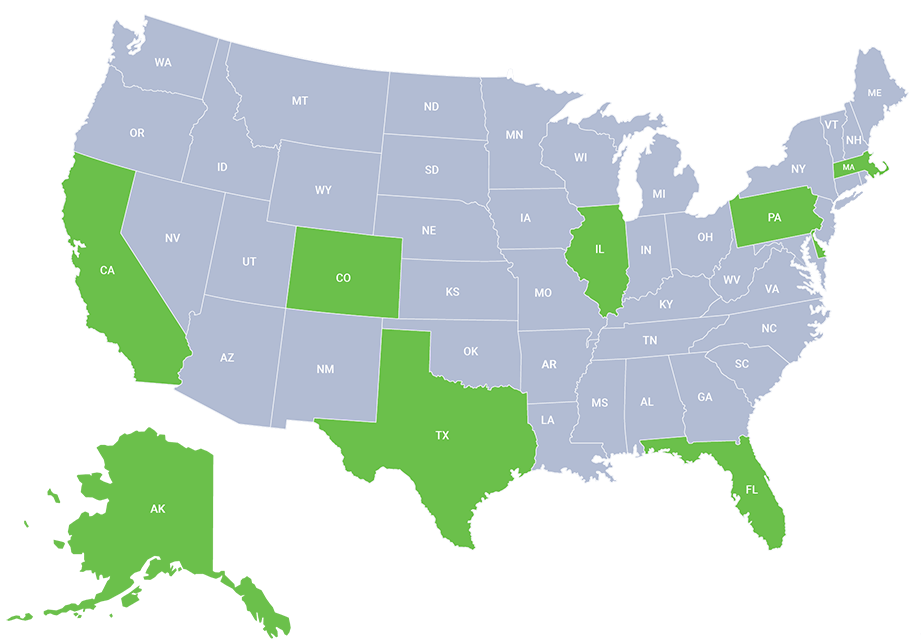

FIND THE NEAREST BANYAN LOCATION
Banyan Treatment Centers
Mental Health Care Nationwide

• Accepting Admissions Now
| Mental Health Addiction | Yes Yes |
| Inpatient Outpatient Telehealth | Yes Yes Some States* |
| Dual diagnosis | Yes — integrated |
| Accreditation | Joint Commission |
Most insurances accepted
If you or someone you know is in crisis, confidential help is available 24 hours a day, 7 days a week.
988 Suicide & Crisis Lifeline
Call or text 988 · 24/7
Medically Reviewed by:

Dr. Darrin Mangiacarne
Chief Medical Officer
At Banyan Treatment Centers, Chief Medical Officer Dr. Darrin Mangiacarne leads our nationwide clinical team with over a decade of addiction medicine experience, helping ensure evidence-based, compassionate care across every level of treatment.
Author / Written by: Banyan Editorial Staff
Medically reviewed by: Dr. Darrin Mangiacarne, CMO
Updated on: April 2026
Co-Occurring Disorders: Why Treating Mental Health and Substance Use Separately Often Fails
Seeking treatment for mental health and substance use often starts with the right intentions. An individual starting therapy for their depression may feel like they’re finally taking the first real step to support their mental health, but if alcohol or drug use is still occurring, additional support is needed. Some may enter addiction treatment, complete detox, and leave feeling physically stable, only to still face unresolved trauma, anxiety, or other mood symptoms. These experiences can quickly pull them back into substance use. When there is a lack of progress or relapse, feelings of discouragement and confusion may be overwhelming.
These conditions must be treated appropriately, especially since the problem is not just that both diagnoses are present. Co-occurring disorders, also known as dual diagnosis, involve struggling with mental health and substance use. These conditions can often affect each other, but typically are treated separately without much coordination. Mental health professionals focus mainly on emotional aspects, while addiction programs help get substance use under control but do not fully treat underlying mental health concerns.
This can cause a delay in accurate diagnosis, complicate treatment planning, and increase the risk of relapse. The National Institute on Drug Abuse emphasizes that co-occurring disorders are common and need coordinated care to improve outcomes. When treatment is separated by issues, many factors can be missed, such as symptoms, behaviors, and triggers.
The most effective treatments are those that are integrated. Professionals can better understand how conditions interact and influence each other while also creating a plan for recovery and stabilization, with mental health and substance use being addressed together.

Why Men's Mental Health Matters
Over the course of a year, men are less likely to receive treatment for mental health concerns compared to women, according to the National Institutes of Health. This is despite the fact that the sooner treatment starts, the more effective it is likely to be, and the better quality of life a person can enjoy.
Stigma, or negative beliefs, attitudes, and stereotypes, around mental health conditions is often what prevents individuals from seeking care or being able to access care. The good news is that these negative beliefs are starting to fade away. A poll conducted by the American Psychological Association found that 88% of people said that having a mental health condition was nothing to feel ashamed about. However, that same poll also found that 35% of people said they would view an individual differently if they knew that they had a mental health condition.
Barriers to treatment and negative beliefs have a major impact on society. Male suicide rates are notably higher than female suicide rates, with men making up around half of the population but nearly 80 percent of suicides, according to the CDC.
Men don't have to attempt suicide to experience the negative impact of mental health stigma and lack of care. One of the ways that depression presents in men is in the form of high-risk behavior. Men with depression may also be more likely to misuse alcohol or other substances, which can affect their performance at work or with their loved ones.
There's also a physical component to men's mental health. Mental health is closely linked to physical health. Untreated depression, for example, can increase an individual's risk for chronic health conditions including heart disease and diabetes. It also increases the risk of stroke.
Men's mental health is multi-faceted, and goes beyond having a mental health disorder or not. A man with a mental health condition can thrive and have positive well-being in the right circumstances. Having a support network, strong community ties, and access to the right treatment can improve overall well-being and quality of life.
Questions about our Facilities or Programs?
Our admissions coordinators are available 24/7 to answer any questions you may have as you consider whether treatment at Banyan is right for you or your loved one.
What Co-Occurring Disorders Actually Are
When someone is dealing with multiple conditions at one time, like mental health problems and substance use, it can be very challenging. Common mental health conditions include anxiety, depression, bipolar disorder, and post-traumatic stress. In addition, a person may misuse alcohol, opioids, stimulants, or other substances. The clinical term for this is “comorbidity,” which is used in psychology to describe two or more conditions occurring together.
A co-occurring disorder means that at least one mental health disorder and at least one substance use disorder are happening at the same time. This can make diagnosis difficult because a person may be dealing with multiple mental health conditions alongside substance use.
The term “dual diagnosis” is commonly used in search engines. However, there is a slight distinction between dual diagnosis and co-occurring disorders. Dual diagnosis is used primarily in general language, while “co-occurring disorder” is used more often in clinical settings. Both terms refer to the same issue of these conditions overlapping with each other.
Co-occurring disorders create treatment challenges, making the distinction important. Each condition can affect how the other develops, is diagnosed, and responds to care. For example, substance use symptoms may appear as mental health concerns, making diagnosis more difficult. At the same time, untreated mental health conditions can make substance use worse or lead to relapse.
As emphasized in the Substance Abuse and Mental Health Services Administration (SAMHSA), these conditions interact in complex ways and should be treated together. Mental health or substance use being treated separately can worsen the other. The National Institute of Mental Health often mentions how crucial it is to understand co-occurring disorders to understand the risks of treating these conditions separately.
What Co-Occurring Disorders Actually Are
When someone is dealing with multiple conditions at one time, like mental health problems and substance use, it can be very challenging. Common mental health conditions include anxiety, depression, bipolar disorder, and post-traumatic stress. In addition, a person may misuse alcohol, opioids, stimulants, or other substances. The clinical term for this is “comorbidity,” which is used in psychology to describe two or more conditions occurring together.
A co-occurring disorder means that at least one mental health disorder and at least one substance use disorder are happening at the same time. This can make diagnosis difficult because a person may be dealing with multiple mental health conditions alongside substance use.
The term “dual diagnosis” is commonly used in search engines. However, there is a slight distinction between dual diagnosis and co-occurring disorders. Dual diagnosis is used primarily in general language, while “co-occurring disorder” is used more often in clinical settings. Both terms refer to the same issue of these conditions overlapping with each other.
Co-occurring disorders create treatment challenges, making the distinction important. Each condition can affect how the other develops, is diagnosed, and responds to care. For example, substance use symptoms may appear as mental health concerns, making diagnosis more difficult. At the same time, untreated mental health conditions can make substance use worse or lead to relapse.
As emphasized in the Substance Abuse and Mental Health Services Administration (SAMHSA), these conditions interact in complex ways and should be treated together. Mental health or substance use being treated separately can worsen the other. The National Institute of Mental Health often mentions how crucial it is to understand co-occurring disorders to understand the risks of treating these conditions separately.
What Integrated Treatment Actually Means
Integrated treatment is receiving help for both substance use and a mental health condition, but it can be much more than receiving two services at once. It is the combined treatment plan where both conditions are assessed and treated through one plan. It is possible for someone to be in therapy while being in addiction treatment, but if those services are provided separately, this is not integrated care.
Each condition interferes with the other, and because of this, integrated treatment is meant to address both at the same time. This may be done through assessments, treatment planning, therapy, medical support, and relapse prevention, all working together to support the individual.
There are different models used to treat co-occurring disorders. However, they do not all provide the same level of integration:
Coordinated care comes with separate programs, but all communicate and share updates on the treatment. For example, a mental health professional and an addiction counselor can coordinate referrals and aspects. The continuity of the treatment can improve rather than if they were treated separately.
Co-located care is similar to coordinated care except that the treatment is offered through the same organization or setting. This can make the starting process easier, and collaboration between professionals may go more smoothly.
Fully integrated treatment is seen as the most comprehensive option. Multiple providers work together to form a treatment plan that includes goals, interventions, and a consistent clinical framework. They treat both disorders equally and at the same time due to how easily they influence each other.
With integrated care, the patient will be working on shared treatment goals for both conditions instead of prioritizing one over the other. This shared treatment goal will work with symptoms, approaches, and progress measurement. This can keep the individual at ease by reducing confusion, strengthening engagement, and helping prevent one condition from being overlooked.
A “no wrong door” approach is another important part of this plan. This is what some behavioral health systems call a situation when someone enters care because of symptoms for either substance use or mental health, and they are screened for both disorders from the beginning. The National Institute of Mental Health mentions how providers who have experience in both substance use disorders and mental disorders can use comprehensive assessment tools to help create effective treatment plans.
Co-occurring disorders should be classified together rather than as separate issues. Treatment should manage both conditions as one treatment plan. When focusing on how conditions interact, treatment can more effectively address root causes to address the root causes, reduce the risk of relapse, and support long-term recovery. This is what integrated treatment is designed to do.

What Integrated Care Can Include
Integrated care involves multiple services that address mental health and substance use together in a coordinated way. When starting care for co-occurring disorders, symptom severity and relapse risk are assessed through evaluations, ongoing treatment planning, therapy, medication support, and long-term recovery strategies.
A dual diagnosis treatment plan usually starts with a comprehensive assessment and differential diagnosis. Professionals look closely into symptom timeline, substance use history, psychiatric history, trauma, family history, and current functioning to help them see the interaction between conditions. Along with this, they also analyze if symptoms are primary, substance-induced, or both. This will help inform providers of the correct diagnosis and medication to use.
Completing an assessment can also help determine whether a person would benefit from outpatient treatment, higher level of care, or a more structured dual diagnosis program. Finding treatment that fits the severity of both conditions is often an important step of integrated care, especially when symptoms include instability, relapse risk, or safety concerns.
After this, patients usually get introduced to evidence-based behavioral therapies that address both conditions together. This can include cognitive behavioral therapy (CBT), dialectical behavior therapy (DBT), trauma-informed therapy, motivational interviewing, relapse prevention counseling, or dual diagnosis group therapy. These can help individuals improve their emotional regulation, build coping strategies, manage substance use triggers, and work through underlying problems that contribute to both disorders.
Medication may be offered when appropriate and can be an important factor in integrated care. Various medications may be suggested that help with conditions such as depression, anxiety, bipolar disorder, or PTSD. Some medications can help treat substance use disorders, specifically with opioid or alcohol use, such as buprenorphine, naltrexone, or acamprosate. The National Institute of Mental Health (NIMH) emphasizes the importance of medication to assist with some substance use by stating that this can even lessen the symptoms of many other mental disorders, and how some medications can treat multiple disorders at the same time.
Family support and systems involvement may also be recommended in integrated care. Services such as psychoeducation and family therapy can be beneficial in helping loved ones understand how mental health and substance use interact while supporting communication at home.
Relapse prevention planning is another key factor in integrated care. This can help individuals identify their own emotional triggers, monitor symptoms, build coping strategies, plan for medication adherence, and create support for ongoing care after treatment ends.
There are many misconceptions about rehab. Many people assume addiction treatment only focuses on substance use and neglects mental health care. While in some settings this may be the case, dual diagnosis treatment is built to manage both conditions. Banyan Treatment Centers supports both mental health conditions and substance use disorder together rather than treating each condition individually. Care is designed through dual diagnosis care, evidence-based therapy, and psychiatric support.
Getting into treatment is easy with our free insurance verification
"*" indicates required fields
Common Co-Occurring Pairings Where Split Care Breaks Down
There are many disadvantages to treating mental health concerns and substance use separately. The most common is the fact that conditions can interact in a way that makes individualized treatment less effective.
Interactions can be different depending on the conditions. For example, someone may turn to substance use to help manage symptoms of depression or anxiety, such as emotional distress, panic, racing thoughts, or insomnia. However, alcohol and drug use can make depression and anxiety symptoms worsen even when treatment for one of these conditions is being conducted.
Post-traumatic stress disorder and substance use disorder are another condition pairing that can affect separate care. Trauma symptoms such as intrusive memories, hypervigilance, emotional numbing, and sleep disruption can cause continued substance use, and this substance use can intensify avoidance, emotional instability, and distancing from trauma treatment. The National Center for PTSD notes that over 45% of adults who have PTSD struggle with drug or alcohol use. Additionally, Veterans who have or have had PTSD are two times more likely to have problems with alcohol use and three times more likely to have problems with drug use than Veterans who have not developed PTSD. Untreated post-traumatic symptoms may lead to relapse, while active substance use may make trauma-related care more difficult.
Bipolar disorder and substance use is another disorder pairing that can benefit from integrated care. There are many overlapping symptoms when it comes to these conditions, such as impulsivity, mood instability, and risk-taking. This can make diagnosis complicated, especially when treated separately.
ADHD, eating disorders, and substance use disorders can be very difficult when treating apart. Underlying issues such as impulse control, emotional regulation, body image concerns, or compulsive behavior can influence both disorders at once. Many of these patterns can remain when only treating one side.
Co-occurring disorders often do not make much progress with individuals with separation of treatment. They can be managed when symptoms are assessed and cared for together. When these symptoms, risks, or recovery challenges overlap, integrated care becomes more of a necessity rather than a preference.
Nearly 80% of Suicides in the U.S.
are men, despite men making up only around half of the population,
According to the CDC
When a Higher Level of Care May Be Needed
Many may reach out to addiction treatment or outpatient therapy. However, split outpatient care may not give enough support when co-occurring disorders are becoming harder to manage. In this case, higher-level care can be worth considering.
Repeated relapse despite ongoing treatment is a big indicator that a higher level of care may be needed. Symptoms of depression, anxiety, trauma, or mood instability may worsen as well, especially when interfering with safety, relationships, or daily functioning.
Repeated crises, emergency room visits, or psychiatric hospitalization can also be signs that current treatment is not being as effective. Other factors, such as increased substance use, can be present as well, which can lead to overdose risk, withdrawal, or loss of control. Many times, there are multiple issues happening at the same time, which fragmented care may not efficiently handle.
When this happens, more comprehensive levels of care may help, such as comprehensive assessment, residential or inpatient treatment, partial hospitalization (PHP), outpatient programming, ongoing therapy, and step-down planning. These treatment approaches focus on managing both conditions with individualized care rather than a one-size-fits-all approach.
The right level of care should provide for the severity of the substance use disorder and the mental health condition, not just whatever issue appears the most urgent. This can make a big impact on long-term stability.
What to Ask a Program if Co-Occurring Disorders Are Involved
Not every program that offers dual diagnosis for co-occurring disorders provides true integrated care. Asking the right questions can help identify if a program is best suited to treat conditions together.
Some questions that can be asked are:
- Do you screen for both mental health conditions and substance use disorders at intake?
- Are both conditions treated by the same clinical team or through a coordinated treatment plan?
- Does medication management include both psychiatric medications and addiction medications, and when is it appropriate?
- How does the program address trauma, psychosis, or other more complex mental health concerns alongside substance use?
- If outpatient treatment is not enough, what higher levels of care are available?
- What happens after discharge?
- How does treatment address the underlying reasons behind substance use, not just stopping use itself?
FAQ + Final Takeaway
Final Takeaway
Co-occurring disorders are not just two problems happening at once. There is a high risk when treating them as separate conditions. Mental health symptoms and substance use interact and influence one another, which can leave some parts of the issue untreated.
This stresses the importance of integrated care. Coordinated assessment, therapy, medication when needed, and a treatment plan are what put together care that supports both conditions.
For those who are seeking help, Banyan offers many options, such as co-occurring disorder treatment, therapy, and levels of care resources that are designed to support integrated care. Banyan treats mental health disorders and substance use conditions together to support the root issues that make recovery difficult with only one-sided treatment.
What Our Patients Are Saying


Getting Into Treatment Is Easy. Here's How to Get Started!

Call Us Anytime
Speak with our compassionate admissions specialists to discuss your situation and explore treatment options.

Initial Assessment
We conduct a thorough evaluation to determine the best level of care tailored to your needs.

Financial Guidance
Our team will verify your insurance coverage and provide transparent cost information.

Begin Your Recovery
Once everything is set, you’ll be welcomed into our program and start your journey toward healing.