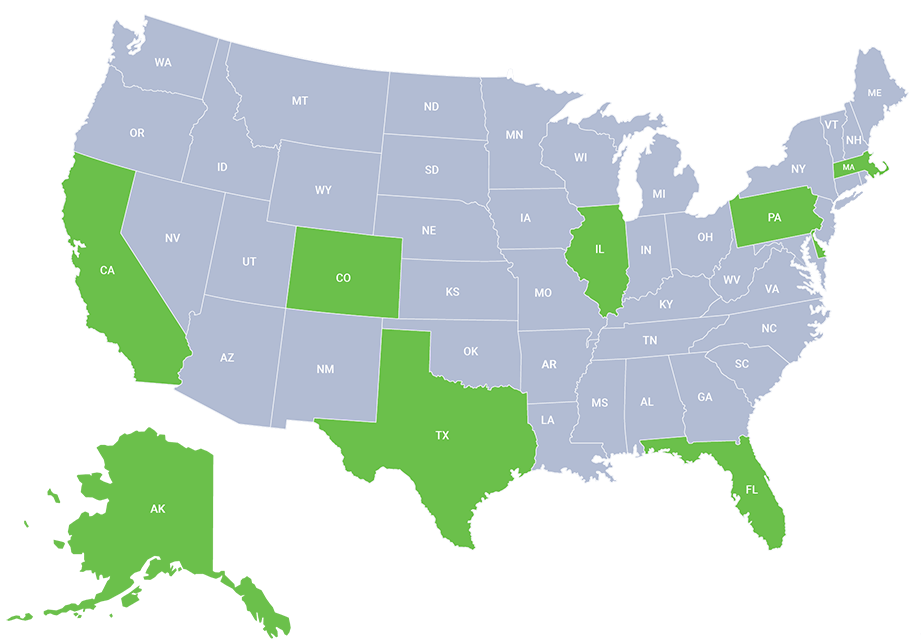

FIND THE NEAREST BANYAN LOCATION
Banyan Treatment Centers
Mental Health Care Nationwide
• Accepting Admissions Now
| Mental Health Addiction | Yes Yes |
| Inpatient Outpatient Telehealth | Yes Yes Some States* |
| Dual diagnosis | Yes — integrated |
| Accreditation | Joint Commission |
Most insurances accepted
If you or someone you know is in crisis, confidential help is available 24 hours a day, 7 days a week.
988 Suicide & Crisis Lifeline
Call or text 988 · 24/7
Medically Reviewed by:

Dr. Darrin Mangiacarne
Chief Medical Officer
At Banyan Treatment Centers, Chief Medical Officer Dr. Darrin Mangiacarne leads our nationwide clinical team with over a decade of addiction medicine experience, helping ensure evidence-based, compassionate care across every level of treatment.
Author / Written by: Banyan Editorial Staff
Medically reviewed by: Dr. Darrin Mangiacarne, CMO
Updated on: May 2026
Inpatient Mental Health:
Residential Treatment for Mental Health: Why the Transition After Hospital Discharge Matters
After hospitalization for a mental health crisis, you or your loved one may wonder what happens next. Even after receiving high quality care during hospitalization, many struggle if they do not have a follow-up support program. Residential treatment for mental health after acute hospitalization can be the ideal next step for many, as it allows time for medication adjustments, symptom observation, and skill re-building.
Residential care goes beyond providing a person with a place to stay. Follow-up after hospitalization for mental illness is critical in the first week and month. The risk of suicide and self-harm is particularly high in the early days following discharge. Residential care bridges the gap, reducing the risk of self-harm and ensuring that individuals continue to receive the care they need.
If you or someone you know is in immediate need of assistance, confidential help is available 24 hours a day, 7 days a week. In the US, call or text 988.
Why the Days After Psychiatric Discharge Can Be So Risky
Many individuals are more stable when they leave the hospital following acute treatment than when they arrived. That stability diminishes quickly, though, if they are not fully ready for independent living.
The risk of suicide is high in the first week and month following discharge for a mental health crisis. A meta-analysis revealed that the rate of suicide was 2,950 per 100,000 persons in the first week after discharge and 2,060 per 100,000 persons in the first 30 days. Follow-up after hospitalization for mental illness provides the opportunity to evaluate an individual and make adjustments as needed to their care and treatment plan.
Unfortunately, there is a lack of follow-up care for a considerable number of people. Rates of 7-day follow-up after hospitalization ranged from 31.4% to 51.% in 2024. Follow-up rates 30 days after discharge were slightly better, ranging from 52.6 to 72.2%. Still, that leaves nearly half of patients without transitional care after an acute hospitalization.
Developing a comprehensive and clear discharge plan alleviates some of the risk associated with the early days following hospital discharge. It is often the case that discharge education is not sufficient for an individual. In some cases, differences in language and unclear instructions cause confusion. Several risk factors associated with poor discharge planning include:
- Unclear follow-up instructions: Individuals may not get adequate instructions regarding follow-up care, or the instructions aren't tailored to their health literacy level or other social determinants.
- Scheduling and transportation difficulties: In the immediate aftermath of a hospitalization, a patient may not have the scheduling flexibility required to see a provider for follow-up care. They may be unsure which provider to see, such as their primary care physician or a therapist. Or, they can't physically transport themselves from their home to the therapy location.
- Medication nonadherence: Continuing any medication prescribed during hospitalization is critical after discharge. Nonadherence may occur if a person has limited access to the right medication, inability to fill a prescription or can't access a provider for a refill.
- Return to a stressful environment: Hospitalization provides a reprieve to an individual struggling with a mental health crisis. After their discharge, though, they may find themselves back in the same situation and surrounded by the same individuals as before, without the proper coping skills to manage the stress of that environment.
Residential treatment is often the bridge that allows a person to regain stability and reduces the risk of self-harm following discharge.

What Residential Treatment for Mental Health Actually Is
Residential mental health care is a key part of behavioral health treatment. For many, it is the next step after acute hospitalization or in-patient care. During residential treatment, a person receives structured support and care 24 hours a day, seven days a week. The care and treatment they receive is not as intense as what they were given during acute hospitalization.
The goal of residential treatment for mental health is to prepare an individual for a return to their community. Treatment is often on a short term basis and meant to bridge the gap between lower acuity outpatient therapy and inpatient hospitalization.
Individuals often receive medication for their mental health disorder while hospitalized. Since the time of hospitalization is short, it can be difficult to determine if someone is taking the right dose or even the correct medication. Psychiatric medication doesn't work instantly, so it can take days or even weeks to see if a person is experiencing the desired effects.
Treatment in a residential psychiatric facility lets clinicians monitor an individual and their response to medication. They can see if side effects occur or if the dose is too high or too low. As needed, they can make adjustments so a patient stabilizes.
Questions about our Facilities or Programs?
Our admissions coordinators are available 24/7 to answer any questions you may have as you consider whether treatment at Banyan is right for you or your loved one.
Residential vs Inpatient vs PHP vs Outpatient
The success of mental health treatment depends on the right level of care. An individual may need intensive, round-the-clock care or occasional support. For many, the right level of care is somewhere in the middle.
Levels of care can be envisioned like a staircase or ladder, with an individual "stepping down" as their condition improves. At the top of the staircase is inpatient hospitalization, which is focused on stabilizing a patient and protecting them.
A person would go to an inpatient mental health treatment facility when they are actively suicidal or experiencing a psychiatric episode that puts themselves or others in harm's way. The goal of acute inpatient care is to stabilize an individual and ensure their safety. It involves 24-hour-a-day monitoring in a secure hospital or other treatment facility. Typically, acute inpatient treatment lasts for only a few days, though it is possible for a person to remain longer, based on their needs.
Someone in a residential care facility is not in immediate danger of harm, but still needs ongoing, 24-hour-a-day support. Residential programs are typically longer than inpatient, lasting anywhere from 30 to 90 days, if not more.
The days are very structured during a residential treatment program and typically include individual therapy sessions, group therapy and skill-building programs. Individuals in residential treatment may be taking medication and will have their medicines monitored. The goal of treatment is to prepare an individual for a return to their life and home.
Partial hospitalization (PHP) is the middle point between residential care and outpatient therapy. During it, an individual returns home to live. They go to the treatment facility multiple days per week for therapy. Included in PHP is medication management plus individual and group therapy sessions.
After completing a PHP or, in some cases, directly after a residential treatment program, an individual moves into outpatient care. The least intense form of treatment, outpatient therapy, allows an individual to live at home while attending therapy sessions weekly. Depending on the intensity of the outpatient program, the therapy sessions may occur once per week or multiple times weekly. For some, outpatient treatment takes place via telehealth.
Who May Need Residential Treatment After Psychiatric Hospitalization
Residential treatment following acute hospitalization may be the right option for many patients, but it is not the right option for all. Whether mental health residential treatment is appropriate for an individual depends on a mix of factors, not only their diagnosis.
An individual's current home environment may play a critical role in determining whether someone needs residential treatment. While many patients have a stable home life, not all do. For those without a stable home environment or who have multiple triggers in their home, returning there immediately after hospitalization may be dangerous.
An individual's executive functioning also determines whether residential treatment is appropriate for them. Ideally, a patient and their care provider will work together to create a discharge plan and to make arrangements for follow-up care, medication management and so on. However, not every patient will be able to follow the plan without a considerable amount of external support. For those individuals, ongoing residential care may be particularly beneficial.
Psychiatric history also determines whether residential care would benefit a person. Someone with a history of repeated mental health crises is likely to find residential care in a psychiatric treatment facility helpful.
Similarly, while many are put on medications during acute hospitalization, it can be the case that the dose is too high or too low, leading to ongoing issues. Residential care allows a patient's medical providers the opportunity to supervise and make adjustments as needed for the benefit of the individual.
While the average program duration is anywhere from 30 to 90 days, some individuals may need to remain in treatment for longer. Patients may remain in residential care for an extended period if any of the following apply:
- Their home environment remains unstable or fragile
- Their medications are still be adjusted
- They continue to need structured support to avoid relapse, rehospitalization or decompensation.
It can be tempting to self-diagnose or diagnose a loved one, particularly after inpatient hospitalization. However, only a qualified assessment can adequately and appropriately determine the level of care an individual needs and whether residential treatment is appropriate.
Know What To Do Next
What Good Discharge Planning Should Include
A patient's discharge plan plays an essential role in ensuring their ongoing treatment, stability, and quality of life. Before they leave the hospital, an individual should know where and when their next appointment is, what the next level of care is and how to continue any medications a doctor prescribed during inpatient treatment.
In essence, a thorough discharge plan is crucial for ensuring a smooth transition. Without it, a patient may fall through the cracks, miss follow-up appointments or not understand how to move to the next level of care.
For best results, discharge planning should start early, even before they know the discharge date. The process is often rushed, leading to poor patient understanding or lack of consistency between providers. Ideally, providers will discuss the discharge plan with patients throughout their hospitalization. One the day a person leaves the hospital, their providers will confirm that they understand the plan.
At the very least, the discharge plan should contain details about two things: the patient's medication and next steps.
If an individual has started taking a new medication during their hospitalization, they must have information about continuing that medication, including details on obtaining or refilling a prescription. They should know about side effects and the importance of continuing to take the medicine as prescribed.
This is particularly true for individuals taking benzodiazepines for anxiety disorders, as long-term use can lead to a dependence, requiring a person to gradually taper down their dose until they are weaned from the medication. Stopping abruptly can lead to withdrawal symptoms, including tremors, headaches, and seizures.
As part of their discharge plan, individuals should know what to do next. The plan should also describe how to book their follow up appointment or enroll in a residential treatment program. If necessary, a provider can walk the individual through the process before they leave the hospital. The date, time and location of the appointment will be set before a patient leaves.
Finally, a good discharge plan should include an individual's family or loved ones, if possible, and should have a clear outline of what to do in the event of a crisis, including details on who to call or how to get in touch with a medical provider during a crisis event.

Real World Re-Integration
How Residential Treatment Can Help Close the Post-Discharge Gap
The time after an individual leaves acute inpatient care is often a vulnerable one that presents multiple risks to a person's safety and well-being. A stressful home environment exacerbates the issue.
Pursuing residential treatment for mental health helps an individual reduce their exposure to stressors during this vulnerable time. It's often a much-needed bridge between intense, acute care and less intense community treatment programs.
Residential care focuses on the needs of the individual. It usually includes daily therapy, medication management, observation and psychiatric oversight, routine building, and step-down planning. The goal is to prepare the person for a successful return to their life and to minimize the risk of relapse.
During a stay at a residential treatment facility for mental health, an individual will have highly structured, organized days. They will typically have multiple therapy sessions per day, some will be individual, one-on-one sessions and others will be in a group setting. The treatment program will also include a skills building and real-world re-integration component, if appropriate.
Real world re-integration focuses on developing an individual's skills for self-care and the tasks of daily living. Patients may practice grocery shopping, meal planning and other everyday tasks. Learning or relearning these skills leads to a more stable home life.
Self-care is also a key part of a residential treatment program. Alongside evidence-based therapies such as cognitive behavioral therapy, an individual may have the option to participate in music, art or equine therapy, which can help a person connect with themselves. They can also learn routines and coping skills that can help to balance their emotions or improve their overall well-being.
Recovery from a mental health crisis or disorder can feel lonely. One of the benefits of residential treatment or rehab for mental health is that it shows a person that they are not alone. Whether in a group therapy session or spending time with others at the treatment center, an individual can see that there are others going through similar challenges as they are, reducing feelings of isolation and shame.
Finally, residential care provides a safe and supportive environment for an individual while their medications are being evaluated and adjusted. Since residential care involves constant supervision, a provider is always available to adjust an individual's medications as needed or respond in the event of side effects.
Getting into treatment is easy with our free insurance verification
"*" indicates required fields
Do Residential Treatment Centers Work?
For many, residential care is an intermediary step between acute hospitalization and a PHP, outpatient care or telehealth treatment program. Studies examining the effectiveness of residential treatment compared to hospitalization have found demonstrable improvements in patients as well as high user satisfaction, with similar readmission rates.
What to Ask Before Choosing a Residential Mental Health Program
There are several questions to ask for yourself or a loved one when evaluating a treatment center. Focus on the practical aspects of the private mental health facility, the treatment program and safety concerns.
Questions to ask include:
- How is the appropriate level of care determined? A clinical assessment should be part of the determination process.
- What psychiatric services are available? Is there a psychiatrist on-site, 24/7?
- How are medications managed? Who will be responsible for adjusting an individual's dosage and monitoring their response to any medication?
- Are families involved in an individual's care? Is family therapy offered?
- What happens after an individual leaves treatment? How is follow-up care managed?
- Does the facility provide treatments for co-occurring disorders? Will an individual receive treatment and support for substance use disorder, as well as any mental health disorder?
- What does day-to-day life at the treatment facility involve? What therapy sessions will an individual attend? How are life-skills management programs handled?
- How does the facility manage step-down planning? When an individual approaches the end of their residential treatment, how does the facility prepare them for the transition?
- How does the facility manage medication changes or follow-up? Does the treatment center offer support to individuals who are tapering off of their medications or who need to adjust their doses?
What Happens After Residential Treatment?
For most individuals, leaving a residential facility does not mean leaving treatment altogether. Continuity of care ensures ongoing safety and well-being. Following discharge from mental health services, an individual needs to know their next steps.
The end date for residential treatment isn't set in stone. Someone may enroll in a 30-day program, only to need more care beyond 30 days. Continuing care until symptoms ease, daily functioning stabilizes or medication begins working is often recommended.
People need a clear discharge plan when they leave treatment. The discharge plan should detail the next phase of treatment. It should also contain a detailed crisis plan, so that a person and their loved ones know who to call and how to respond in an emergency.
Follow-up services, seven and 30 days after an individual leaves treatment, can provide a link between residential treatment and outpatient care. These follow-up appointments provide an opportunity for a medical provider to evaluate how a person is doing and to intervene as needed to prevent or reduce the need for re-admission.
FAQ + Final Takeaway
Get the Care You Need
Acute hospitalization is often a much-needed first step when you are experiencing a mental health crisis. But treatment and support shouldn't end once you go home. Continued care protects your recovery and preserves the gains you made while in the hospital.
Banyan's residential mental health treatment programs bridge the discharge gap, providing a supportive option rather than "just going home" to individuals who need it.
What Our Patients Are Saying


Getting Into Treatment Is Easy. Here's How to Get Started!

Call Us Anytime
Speak with our compassionate admissions specialists to discuss your situation and explore treatment options.

Initial Assessment
We conduct a thorough evaluation to determine the best level of care tailored to your needs.

Financial Guidance
Our team will verify your insurance coverage and provide transparent cost information.

Begin Your Recovery
Once everything is set, you’ll be welcomed into our program and start your journey toward healing.