
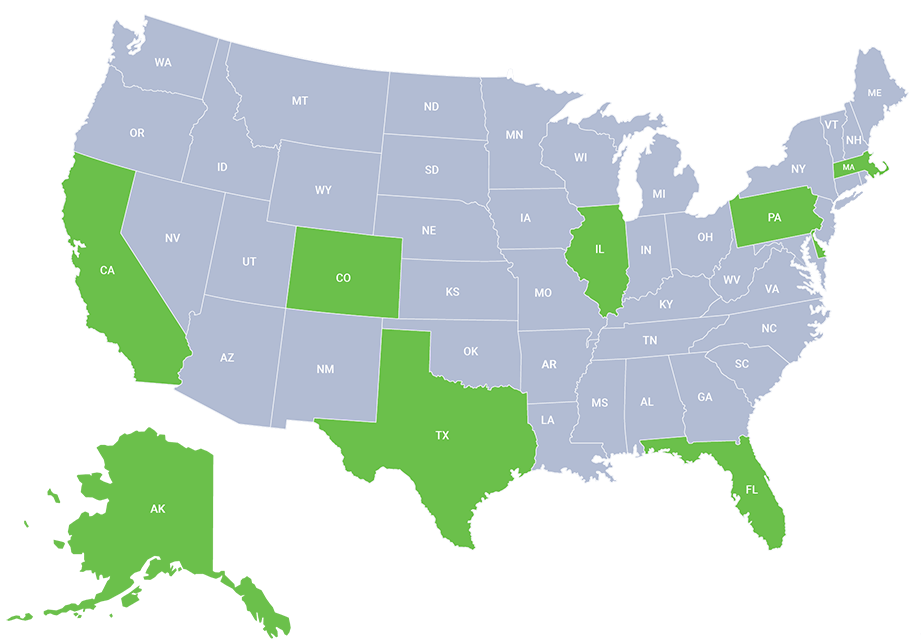

FIND THE NEAREST BANYAN LOCATION
Banyan Treatment Centers
Mental Health Care Nationwide

• Accepting Admissions Now
| Mental Health Addiction | Yes Yes |
| Inpatient Outpatient Telehealth | Yes Yes Some States* |
| Dual diagnosis | Yes — integrated |
| Accreditation | Joint Commission |
Most insurances accepted
If you or someone you know is in crisis, confidential help is available 24 hours a day, 7 days a week.
988 Suicide & Crisis Lifeline
Call or text 988 · 24/7
Medically Reviewed by:

Dr. Darrin Mangiacarne
Chief Medical Officer
At Banyan Treatment Centers, Chief Medical Officer Dr. Darrin Mangiacarne leads our nationwide clinical team with over a decade of addiction medicine experience, helping ensure evidence-based, compassionate care across every level of treatment.
Author / Written by: Banyan Editorial Staff
Medically reviewed by: Dr. Darrin Mangiacarne, CMO
Updated on: May 2026
MENTAL HEALTH TREATMENT — NATIONWIDE
Trauma, Burnout, and Mental Health in First Responder Roles
First responder mental health is highly influenced by the demands within their roles. Firefighters, police officers, EMTs, and paramedics are regularly exposed to situations that never occur for most people. These traumatic events may include violence, fatal accidents, and life-threatening emergencies. Experiencing this level of distress as part of their routine work can cause significant psychological trauma that is not always easy to recognize.
This impact can develop over time or appear in patterns. In many cases, symptoms of mental health decline go untreated due to the responses becoming normalized in first responder culture. This can greatly delay recognition and support seeking. This toll is often expressed as irritability or emotional shutdown. Even at home, some first responders report feeling difficulty staying present and connected with loved ones. Increased alcohol intake and withdrawal can be common as well. Along with these changes, hypervigilance, burnout, and insomnia are commonly reported.
These patterns are very common in first responder roles, even if no formal diagnosis is made. This article will examine how trauma, burnout, and suicide risk develop across different roles such as firefighters, police officers, EMTs, and paramedics. Additionally, it will outline evidence-based support and mental health help for first responders.
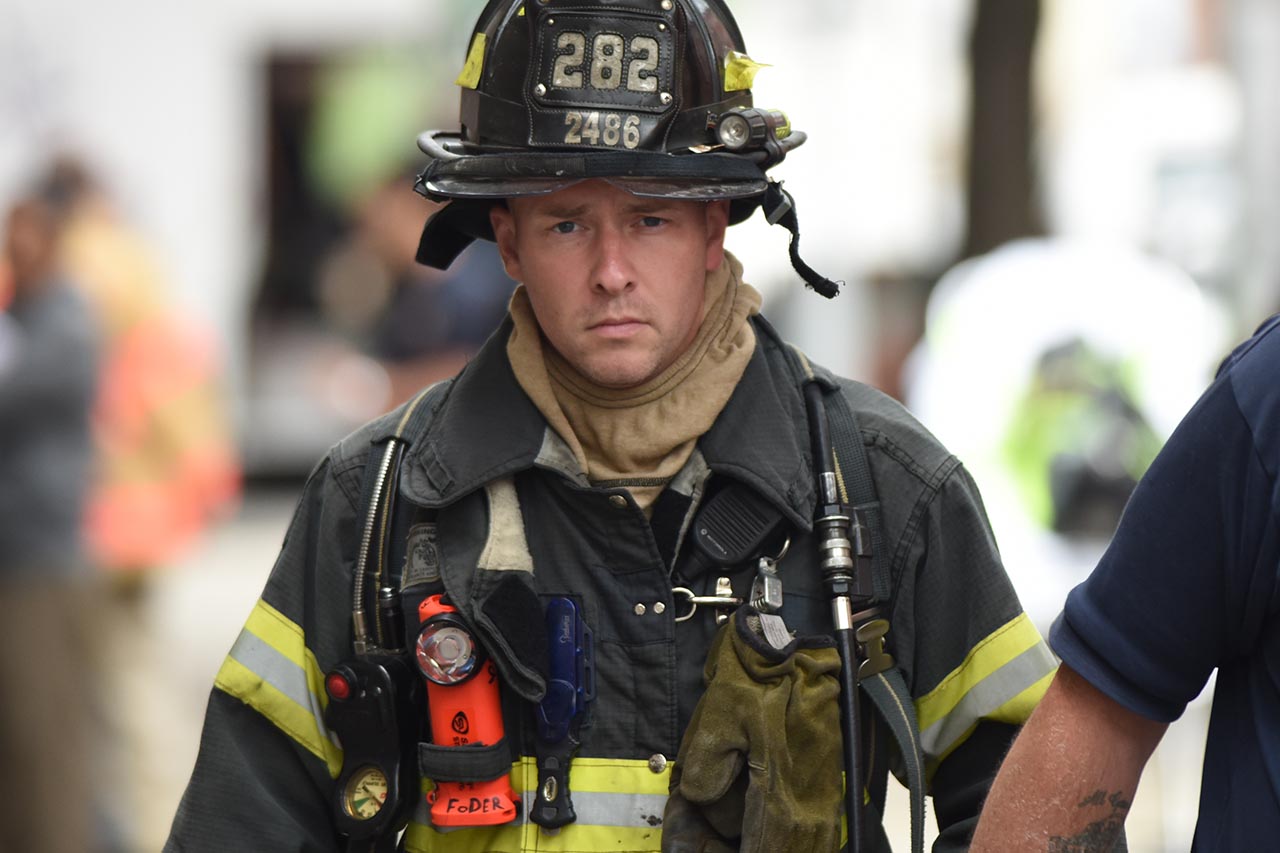
Why First Responder Mental Health Matters
First responder mental health is a behavioral health and occupational-risk issue and not a generic health topic. Firefighters, police officers, EMTs, and paramedics all work in environments that involve danger and violence and require high-stakes decision-making. When this intense pressure becomes a routine, it can affect psychological functioning and overall health over time.
There is a consistent link between job-related stress in these roles and higher rates of anxiety, depression, burnout, and post-traumatic stress, as noted by the Substance Abuse and Mental Health Services Administration (SAMHSA). Not only are these adverse effects tied to major incidents, but also the high demand that these positions require, including distressing calls, interrupted sleep, shift work, and the pressures of staying in focus while in unpredictable situations. Along with this, first responder mental health statistics show an increased risk for feelings of hopelessness and suicidal thoughts compared to the general population.
First responders are trained to prioritize the safety of others while maintaining control under pressure. Although critical for the job, this can gradually cause internal strain. There can also be expectations to manage stress independently and not show vulnerability. This can reduce the need to seek help as it may impact reputation, peer relationships, or career progression. Not only do these individuals experience the stress of putting their lives in danger, but there's a pressure to protect the community and not feel weak and unreliable, or unable to do their job correctly.
Mental health issues are often normalized and overlooked among first responders. What seems like everyday job stress, such as irritability, emotional numbness, sleep disruptions, or substance use can actually be signs of a deeper concern. Although these symptoms may come and go, they can still affect decision-making, reaction time, and overall functioning on and off shifts. As a result, some first responders do not seek help until these conditions affect their work, physical health, or personal relationships.
Understanding the occupational risks for first responders is an important step towards prevention and early intervention. Recognizing the effects of first responder roles and finding appropriate care can support both job performance and long-term mental well-being.
Questions about our Facilities or Programs?
Our admissions coordinators are available 24/7 to answer any questions you may have as you consider whether treatment at Banyan is right for you or your loved one.
Trauma, Burnout, and Chronic Stress Are Not the Same Thing
Many people group trauma, burnout, and stress as the same experiences. In reality, these involve very different processes, even though they can overlap. Understanding each term on its own is important for recognizing symptoms and how to best support first responders.
In many cases, acute trauma stems from a specific event. This may include a violent accident, a fatal accident, or a call involving a serious injury or death. When experiencing this, the nervous system shifts into survival mode. For first responders, this can lead to difficulty relaxing, intrusive thoughts or memories, and an increased startle response. While these are normal reactions to a perceived threat, ongoing or unresolved stress can contribute to long-term trauma-related conditions such as post-traumatic stress.
When it comes to cumulative trauma, this can derive from consistent exposure to trauma over time and is less defined by a single event. First responders often receive calls related to injury, death, or suffering. Even calls that may not seem severe on their own can still have a lasting impact when experienced repeatedly. Over time, this exposure can lead to emotional detachment, numbness, or reduced ability to process new stress. Because no single event stands out, the overall impact is often underestimated. In addition to exposure to intense situations, first responders are often required to make quick decisions in high-pressure events. This responsibility, especially when outcomes may be alarming, can add another layer of psychological strain over time.
Burnout in First Responders
Burnout, on the other hand, is more closely tied to occupational stress rather than experiencing trauma itself. Work stress can include performance pressure, emotional and physical exhaustion, and a growing resentment towards the job. When experiencing burnout, it can be difficult to maintain focus, motivation, or the level of engagement required for daily responsibilities. Small recovery periods between shifts can further strain burnout, especially paired with physical fatigue and mental stress.
Depression in First Responders
Depression can occur alongside trauma and burnout, but it is a separate condition. This can include a loss of interest, consistent low moods, changes in sleep and appetite, and an ongoing sense of hopelessness.
Post Traumatic Stress Disorder in First Responders
First responder PTSD can develop after experiencing one or more traumatic events, as outlined by the National Institute of Mental Health (NIMH). This can appear as avoidance, intrusive memories, negative changes in mood or thinking, which are recognized clinical symptoms of PTSD. Not all trauma leads to the development of PTSD; however, consistent exposure heightens the risk of the disorder.
Although these experiences can be connected, they are not interchangeable. A first responder may experience cumulative trauma and burnout at the same time, while another can develop symptoms of depression without meeting criteria for PTSD. Each situation requires a different approach to care, which can include therapy, lifestyle changes, or medication when appropriate.
Recognizing the difference between trauma, burnout, and chronic stress can support early intervention and appropriate care. First responders may have an easier time making sense of their own experiences without reducing them to a single label. This distinction is especially important in first responder mental health, where overlapping symptoms can make it difficult to identify the root cause without a proper evaluation.
Signs & Symptoms of Distress
How Mental Health Problems Can Show Up in First Responders
Considering mental health changes in first responders are often steady, this can make them easy to dismiss. Many view these symptoms as simply being normal job stress and expected in their roles, making it harder to recognize when something more serious is progressing. Understanding first responder mental health symptoms across emotional, cognitive, and physical patterns can help identify when mental health may be declining.
Emotional changes are often the first sign to appear. Irritability is one of the most common early signs and may present itself as a short temper, frustration over small issues, or difficulty letting things go. For some, irritability comes out as increased anger, while others experience emotional numbness. This can lead to a detachment from close relationships, reduced empathy, or a sense of apathy. Anxiety may be another symptom that arises with irritability. The first responder often feels on edge and has trouble relaxing. If this persists, it can develop into feelings of hopelessness or guilt, especially after difficult calls or unresolved situations.
Cognitive symptoms can be harder to spot, but equally as damaging. Hypervigilance is expected when in an active scene, but if this continues off duty, it may indicate a deeper problem. This may look like feeling unsafe even in normal environments, scanning surroundings for threats, or the need to stay in a position of control, such as facing exits in public places. PTSD symptoms may occur as well, such as unwanted flashbacks or intrusive memories. Some individuals may face difficulties concentrating, which can affect both job performance and daily functioning. Additionally, reaction time can be affected as well. This includes decision-making and overall situational awareness, which are critical in first responder roles.
Behavioral and physical symptoms often develop with emotional and cognitive changes. Withdrawing from family and friends is common, especially when an individual is trying to avoid stress. Increased substance use may be used as a coping mechanism or to assist in sleep. Sleep disturbances, which are another major concern, can include constant nightmares, insomnia, and restlessness. The lack of quality rest can cause fatigue and poor recovery between shifts. Physical symptoms such as headaches, muscle tension, and ongoing exhaustion may develop as well when the body remains in a prolonged state of stress.
One of the main challenges in first responder culture is that these symptoms are frequently normalized. For example, poor sleep habits can be seen as a part of shift work. Increased drinking can be viewed as a way to unwind with friends or coworkers. Many first responders share similar experiences, which makes these patterns feel typical rather than concerning. This shared experience can make it hard to tell the difference between expected job stress and signs of a developing mental health condition.
Emergency help is available 24/7. Call or text 988 in the US for immediate help if you or someone you love is in crisis.
This normalization can delay help-seeking and may lead these individuals to assume they need to handle the issues on their own, even when symptoms begin to interfere with their daily functioning and relationships. Over time, this can allow symptoms to worsen and increase the risk of more serious health concerns.
How the Mental Health Toll Can Differ by Role
Although first responder roles can share some common symptoms, each comes with different demands. Firefighters, police officers, EMTs, and paramedics are exposed to different types of stress that can influence how trauma develops over time.
For firefighters, their mental health is often shown by a combination of acute and cumulative trauma. Their shifts may include exposure to fatalities or severe injuries. The accumulation of these experiences over time, combined with overnight shifts, can lead to ongoing sleep troubles. Firefighters may also face difficulty recovering between calls, emotional strain, and fatigue. In addition to fire-related incidents, many calls involve medical emergencies, vehicle accidents, and situations involving children. These scenarios can be very difficult to process. Calls can be unpredictable, and the long periods of waiting and sudden high-intensity situations after this can affect stress levels too. Eventually, this pattern can make it more difficult to maintain consistent sleep and emotional control. Firefighters often work in close team environments as well. Their roles require extended time at the station with peers. This is an advantage to build strong support systems. However, it can make it more challenging to separate work-related stress. Intense calls may lead to expectations of quickly returning to a calm state, even when the emotional impact has not been fully processed.
Police officers' mental health is often influenced by hypervigilance and repeated exposure to potential threats. Through experience and intense occupational training, officers learn to anticipate danger, and this awareness can be integrated into their daily lives. This constant awareness can affect how officers interact outside of work. Routine situations for others may be perceived as unpredictable or unsafe, which can make it challenging to relax or feel at ease, whether at home or in public. Regular exposure to violence and ongoing pressure from the organization and public can contribute to stress as well. Police officers are also required to make rapid decisions in situations where the outcome can be severe. This adds to the cognitive and emotional strain. Public scrutiny and administrative expectations can further the pressure, especially on reviewed or questioned incidents. This combination of exposure and stress can make it hard to fully disengage from the role when off duty.
EMS mental health includes both EMTs and paramedics. SAMHSA highlights elevated stress related to patient needs, family, long workdays, nutrition, physical health, and sleep deprivation. This can be a difficult job due to the number of calls, tragedies, and severe injuries and deaths witnessed. There is often little time to recover from one call to the next, which can increase stress and fatigue. The responsibility of making quick decisions in uncontrolled environments can add additional pressure. Many EMS professionals also respond to repeated overdose calls and emergencies involving children, which heighten the emotional impact. Work is fast-paced, which leaves little time to process between calls. This can contribute to emotional exhaustion and increase the risk of burnout. Additionally, long shifts and irregular schedules can further disturb sleep and recovery. Unlike other roles, EMS professionals often move quickly from one call to another without time to reflect or recover. This can create a buildup of unprocessed experiences, especially when calls involve severe injuries or death.
All first responders typically experience high levels of stress, but the way it can develop can differ by role. Firefighters can experience intense but less frequent bursts of trauma with periods of waiting. Police officers often are in a state of alertness where potential threats can happen at any time. EMS professionals are more likely to experience constant exposure to high call volumes and little time to recover. These differences affect stress levels and how symptoms can develop or gradually persist.
Each role has different stress patterns and exposure. Because of this, a one-size-fits-all approach may not be as effective. Mental health programs that can consider the specific demands and pressures of each profession can help treat the underlying cause of the distress. Early recognition and targeted support can help first responders manage symptoms before they start to affect job performance, physical health, and personal relationships. A common factor in all these roles is the constant exposure to stress without proper recovery. Although mental health factors can differ by occupation, the overall impact on mental health can be significant. Understanding these differences can help clarify why targeted support is important for first responders.

First Responder Suicide Risk and Why the Data Matters
For first responders, suicide is a growing health concern. First responder suicide statistics show that among firefighters and police officers, there is an elevated risk of suicide, according to the CDC’s National Institute for Occupational Safety and Health (NIOSH). In some years, more law enforcement officers have died by suicide than in line-of-duty incidents.
Unlike law enforcement, suicide rates among EMS workers are less consistently tracked. However, research from the CDC Stacks database shows that EMS clinicians experience significant mental health concerns. Data from CDC Stacks indicated that many EMS suicide decedents had identified mental health concerns at the time of death, highlighting the need for early intervention. These individuals face an increased risk as well. Higher rates of depression, post-traumatic stress, and suicidal ideation are common within EMS populations. These risks increase with regular exposure to critical incidents, high call volume, and limited recovery time.
Frequently, suicidal thoughts may develop with untreated mental health disorders such as depression or PTSD. This is especially the case when symptoms are prolonged or unaddressed. According to the National Volunteer Fire Council, first responders face the risk of many behavioral health concerns, such as anxiety, depression, burnout, post-traumatic stress disorder, and addiction. These risks can increase over time without the appropriate support.
Several occupational factors can contribute to the elevated risk as well. Consistent exposure to traumatic events while dealing with chronic sleep disruption and high levels of stress can affect emotional regulation over time. In many cases, substance use can develop as a way to cope, which can further increase suicidal thoughts.
These statistics emphasize the importance of recognizing suicidal risk as an occupational concern rather than an individual weakness. This is critical for improving prevention efforts with early intervention, access to confidential mental health care, and supportive workplace environments. Addressing these issues at both the individual and organizational levels can help create safer, more sustainable conditions for first responders.
Getting into treatment is easy with our free insurance verification
"*" indicates required fields
When “Part of the Job” May Actually Be a Mental Health Problem
Stress is a normal response to first responder work, but it can become a concern when this stress starts to affect daily functioning. While this may feel manageable in the beginning, repeated exposure to high-pressure situations can make it more difficult to recover over time. This begins to move beyond normal occupational stress when symptoms persist.
This can appear in several ways. Some individuals report vivid nightmares, unpleasant and unwanted memories, or heightened anxiety that does not resolve between shifts. Panic symptoms can develop as well, including rapid heart rate, shortness of breath, or a sudden sense of distress. These reactions may indicate that the body is no longer returning to a baseline state after stress.
Behavioral changes are also common. Detaching from loved ones, avoiding work conversations, and a loss of interest in previously enjoyable activities are very common signs of growing stress. Emotional detachment may present as emotional numbness or reduced engagement in daily life. Increased substance use is another pattern that may develop, especially when used to help with sleep or cope with stress.
Some other signs may involve a decline in job performance, focus, or tension among coworkers or supervisors. When these patterns surface, it may be a sign that additional support is needed. Early intervention is often the most effective approach to first responder mental health help, as emphasized in stress management guidance from SAMHSA. There are many options, such as peer support programs, first responder counseling, and trauma-informed therapy, that can provide structured ways to address these challenges.
However, if there are thoughts of suicide, self-harm, or feeling like a burden, this requires immediate attention. A first critical step is to reach out to a colleague, supervisor, or mental health professional. In urgent situations, contact emergency services or a crisis hotline such as 988.
Recognizing when “part of the job” turns into a mental health concern can help first responders access the best level of care before symptoms continue to increase.
Up to 30% of first responders
develop behavioral health conditions including depression and PTSD, compared to 20% in the general population
SAMHSA
Treatment and Support for First Responders
There is no one-size-fits-all when it comes to first responder mental health. Firefighters, police officers, EMTs, and paramedics can benefit from support that is specialized to the demands of their specific roles. When starting therapy, individuals typically complete an assessment for a better understanding of their symptoms and needs. This may include evaluating trauma exposure, burnout, depression, anxiety, or a combination of these factors. After this, professionals will be able to address these concerns by forming a treatment plan.
Different therapeutic techniques are often offered to first responders to help with trauma and PTSD, such as Cognitive Processing Therapy (CPT), Prolonged Exposure (PE), or Eye Movement Desensitization and Reprocessing (EMDR). These approaches focus on helping individuals process difficult experiences rather than avoid them. The goal is to reduce the intensity of intrusive memories, hypervigilance, and emotional reactivity.
In addition to trauma-focused care, coping skills work is often included to help regulate stress. This may involve improving sleep, managing physiological stress responses, and learning how to transition more effectively between on-duty and off-duty states. These strategies can help first responders manage ongoing stress.
Therapists who understand the field make a significant difference when working with first responders. Topics such as confidentiality, fitness for duty, and stigma are common, and clinicians who are familiar with first responder culture are better at addressing them. This can make it easier for individuals to speak openly without the fear of feeling judged or misunderstood.
Family support is another important part of treatment. The effects of stress and trauma often affect loved ones, which can impact communication and relationships. Options for family or couples therapy are available to improve understanding and reduce conflict.
Medication can be introduced when symptoms reach a moderate to severe level. This can include treatment for depression, anxiety, or sleep disruption. When appropriate, medication can support stabilization while other forms of therapy continue.
Substance use is another important consideration. In many cases, first responders rely on alcohol and/or drugs to manage sleep, stress, or to disconnect from reality. While this may provide short-term relief, it tends to make sleep, mood, and overall functioning decline over time. Integrated treatment that addresses both mental health and substance use can be very effective.
There are many options when it comes to mental health support for first responders, including peer teams, employee assistance programs, and referrals to specialized providers. For those who require a more flexible schedule, online therapy for first responders can provide accessible care that fits around shift schedules.
Treatment can help reduce the long-term effects of trauma and stress while improving overall functioning for first responders. With the right support, these individuals may regain a sense of control, greater resilience, and continue their careers with a healthier mind.
How Families, Partners, and Peers Can Help
Mental health changes in first responders are typically noticed by the people closest to them first, such as a spouse, partner, or coworker. Due to the proximity, these individuals can easily identify differences in behavior, especially when the first responder shows signs of irritability, sleep disruption, drinking more, difficulty switching out of off-duty mode, or detachment.
Starting a conversation on mental health can feel uncomfortable, especially in professions where stress is normalized. A direct but respectful conversation is usually more helpful than confrontation or immediate reassurance. Gently mentioning observed changes in behavior can open the door to conversation without creating defensiveness. Showing concern based on specific observations can make it clear that support is coming from a place of care rather than judgment.
It is also important to focus on support rather than solutions. Offering too many suggestions at once can feel overwhelming and may cause the first responder to detach from the conversation. Instead, practical support such as offering to attend appointments, help adjust responsibilities, or assisting in finding mental health resources can make care more effective. Even small gestures like checking in after a difficult call can have a meaningful impact.
Peer support can play an important role as well. Connecting with those who understand the job can help reduce isolation and normalize experiences. However, peer support is not always enough when someone is dealing with conditions such as PTSD, depression, or suicidal thoughts. In these cases, professional care is needed to properly address symptoms.
Finding Help for First Responders
Finding the right help starts with choosing care that fits the demands of the job. Not every mental health professional is trained to assist with trauma, shift work, or the pressures that come with first responder roles. When researching options, it is important to look for providers who have experience working with trauma-informed care, PTSD, and co-occurring disorders.
Role-aware counseling is another key factor. These are providers who understand concerns about confidentiality, fitness for duty, and stigma within first responder professions. This may make the environment easier for individuals to speak openly and engage in treatment without fear of judgment or professional consequences.
Flexible levels of care are an option as well, where individuals may benefit from outpatient therapy, more structured programs, or support that adjusts with the changing needs. Having access to different levels of care allows for more effective and consistent treatment.
Banyan Treatment Center offers mental health resources for first responders, including trauma-focused care and support for co-occurring substance use. For those beginning their search, using terms such as first responder counseling near me or therapy for first responders can be a start in identifying local options.
Final Takeaway
First responder mental health challenges are severe, but they are also common and treatable. The impact of trauma, burnout, and chronic stress does not have to be managed alone or ignored. Early intervention and support can make a great difference in both short-term functioning and long-term well-being.
Seeking mental health support is not a sign of weakness. It is a practical step toward maintaining readiness, protecting personal health, and continuing to perform effectively in a demanding role. With the right care, first responders can manage stress, strengthen resilience, and maintain both their careers and quality of life.
FAQ for First Responders
What Our Patients Are Saying


Getting Into Treatment Is Easy. Here's How to Get Started!

Call Us Anytime
Speak with our compassionate admissions specialists to discuss your situation and explore treatment options.

Initial Assessment
We conduct a thorough evaluation to determine the best level of care tailored to your needs.

Financial Guidance
Our team will verify your insurance coverage and provide transparent cost information.

Begin Your Recovery
Once everything is set, you’ll be welcomed into our program and start your journey toward healing.