

What Is a Partial Hospitalization Program for Mental Health?
When a loved one is stepping down from inpatient psychiatric care, or needs more support than weekly outpatient therapy provides but does not need around-the-clock supervision, a Partial Hospitalization Program (PHP) is often the appropriate level of care. Many families have never heard of PHP before they encounter it in a discharge plan or treatment recommendation, and the name itself can be confusing. This guide explains exactly what PHP is, who it is for, what a typical day looks like, and how families can support someone enrolled in it.
Medically Reviewed by:

Dr. Darrin Mangiacarne
Chief Medical Officer
At Banyan Treatment Centers, Chief Medical Officer Dr. Darrin Mangiacarne leads our nationwide clinical team with over a decade of addiction medicine experience, helping ensure evidence-based, compassionate care across every level of treatment.
Author / Written by: Banyan Editorial Staff
Medically reviewed by: Dr. Darrin Mangiacarne, CMO
Updated on: June 2026
Family Resources Hub › Mental Health Resources › Mental Health Treatment Options
Partial Hospitalization: Intensive Day Treatment Without Overnight Stay
A Partial Hospitalization Program (PHP) is a structured,day treatment program that typically runs 5–6 hours per day, 5 days per week. The person attends treatment during the day and returns home or to a supported living environment at night. It is called "partial" hospitalization because it provides hospital-level clinical intensity, daily psychiatric evaluation, medication management, group and individual therapy, without the overnight stay of inpatient care.
PHP sits between inpatient hospitalization and Intensive Outpatient Program (IOP) on the continuum of care. It is more intensive than IOP (which typically runs 3 hours per day, 3 days per week) and significantly less intensive than inpatient care. The step-down sequence for someone leaving an inpatient psychiatric hospitalization is typically: inpatient → PHP → IOP → standard outpatient therapy.
PHP Is the Middle Ground Many Families Do Not Know Exists
If a loved one is experiencing mental health symptoms, families may be imagining two options: weekly therapy or hospitalization. A partial hospitalization program falls between those two options. It provides structured treatment during the day and allows a person to live at home or in a supported living environment outside program hours. Medicare defines partial hospitalization as "a structured outpatient psychiatric program which is more intensive than treatment provided in a physician's or therapist's office." PHP is not casual counseling, nor is it 24-hour-per-day care. It is meant for someone who requires more support than traditional outpatient therapy but doesn't need constant hospital-level supervision.
How PHP Differs From Inpatient Care, IOP, and Weekly Therapy
Inpatient psychiatric care is often reserved for individuals who require 24-hour-a-day safety, emergency stabilization, or evaluation at a hospital-level setting. PHP is an outpatient setting — it is only active during set times and does not provide overnight care. An intensive outpatient program (IOP) is generally less time-intensive than PHP. Weekly therapy is the least intensive of these settings.
Rather than focusing on the name of a program, families should focus on the needs the program fulfills. Does the person need structure every day? Do symptoms flare up when they're given too much unstructured time? Is weekly therapy too infrequent? Can they stay safe overnight without being monitored in a hospital? The answers to these questions can help determine if PHP may be the appropriate option.
Looking for PHP for a Loved One? Call Us.
Banyan provides PHP for mental health at multiple locations. Call our admissions team to learn whether PHP is the right level of care and what enrollment looks like.
855-722-6926Free & confidential · Available 24/7 · No commitment required
When PHP Is the Right Level of Care
PHP may be appropriate when a person's symptoms impact their ability to function in their daily life — relationships, school, work, sleep, medications, and emotions. The fit should always be determined through a clinical assessment. PHP is not suitable for everyone or all types of crisis. A person who is actively suicidal, homicidal, psychotic in a way that creates an immediate risk of harm, medically unstable, or cannot safely remain at home outside program hours may require emergency or inpatient treatment. Banyan's guide on inpatient psychiatric treatment can assist families in understanding when a higher level of care is needed.
Stepping Down From Inpatient
The most common pathway into PHP. A person is discharged from inpatient psychiatric hospitalization, stabilized but not yet ready for standard outpatient care, and transitions to PHP to continue intensive treatment in a less restrictive setting. The daily structure and clinical intensity of PHP provides a bridge between the 24-hour supervision of inpatient and the relatively independent functioning required by outpatient care.
Preventing Inpatient Admission
PHP can serve as a step-up for people who are struggling severely but have not yet reached the threshold for inpatient hospitalization. A person experiencing a significant deterioration in mental health — worsening depression, increasing anxiety, emerging psychosis — who is still functionally safe at home may be appropriate for PHP before the situation reaches an inpatient-level crisis.
Complex Mental Health Presentations
Conditions that require daily clinical oversight, complex medication management, significant safety monitoring, or multiple co-occurring diagnoses may require the intensity of PHP even without an immediately preceding hospitalization. The level of care is matched to the clinical complexity, not just the immediate crisis.
When Weekly Therapy Isn't Enough
Some people are in standard weekly outpatient therapy but continue to deteriorate despite consistent engagement. This is a signal that the current level of care is not sufficient for the severity of the presentation. PHP provides the clinical intensity that can interrupt a downward trajectory when outpatient care has not been adequate.
A Typical Day in Mental Health PHP
Morning Check-In and Safety Assessment
PHP days typically begin with a group check-in, a brief review of the previous evening (how did they manage at home, any safety concerns, sleep, medication adherence), and a brief assessment by clinical staff. This daily safety check is one of the most important features of PHP — it provides a structured opportunity to identify any overnight deterioration and respond before it escalates. Rather than waiting a week to see a therapist, the person is getting consistent attention throughout the week while symptoms are at their worst.
Group Therapy Sessions
Multiple group therapy sessions throughout the day, covering topics relevant to the presentations being treated — CBT skills groups, DBT skills groups (mindfulness, distress tolerance, emotion regulation, interpersonal effectiveness), psychoeducation about specific conditions, mood management, and interpersonal skills. Group therapy in PHP is clinical treatment, not peer support — it is facilitated by licensed therapists. For the person, it offers support to practice coping skills, learn to identify patterns, create structure, understand triggers, and plan for life once the day program ends.
Individual Therapy
Weekly or twice-weekly individual therapy sessions with a primary therapist who coordinates the person's overall treatment, develops and updates the treatment plan, and provides individualized clinical support alongside the group programming.
Psychiatric Evaluation and Medication Management
Regular check-ins with the prescribing psychiatrist, typically weekly or more frequently depending on the complexity of the medication situation. In PHP, medication can be adjusted quickly in response to clinical change without waiting for a monthly outpatient appointment. Families should clarify which services a program offers prior to assuming that prescription services, medication management, or onsite psychiatry are available.
Discharge Planning and Family Involvement
Active and ongoing discharge planning throughout the PHP stay, including family involvement where appropriate. PHP discharge planning addresses the transition to the next level of care (typically IOP or intensive outpatient therapy), community support resources, relapse prevention planning, and family education about supporting ongoing recovery. Families should ask about discharge planning early, not only at the end — what happens after PHP, what signs would suggest a higher level of care is needed, and who helps coordinate the next appointment.
Evening: Back in the Home Environment
The person returns home each evening, which serves as both a therapeutic opportunity and a clinical assessment tool. How they manage the evening — their safety, their ability to use skills, their interaction with family, their sleep — is clinical information that informs the next day's treatment. PHP is intentionally designed to allow real-world functioning to be part of the therapeutic picture.
Why PHP Can Be Helpful After a Hospital Stay
It can sometimes feel abrupt when a loved one is discharged from a hospital. They may no longer be meeting the criteria for an inpatient stay, yet still be fragile, anxious, depressed, ashamed, or unsure of how to get back to their normal daily life. PHP can act as a step-down level of care, providing much-needed structure as the individual works on rebuilding their routine and continues treatment planning.
It's always important for families to ask the discharge team what the follow-up will be like before leaving the hospital. What level of care is suggested? When should treatment begin? What are the warning signs that mean I should seek help immediately? What medication or safety information should I follow up on? A PHP could be one part of this plan, but it should be determined by need and availability.
What Families Should Ask Before Choosing a PHP
The questions you might want to ask when evaluating a program include: How many hours per day does the program meet? How many days per week? What conditions does it treat? Does the program address substance use, if applicable? How does it handle family involvement? What do I do if my loved one's symptoms get worse? Is transportation provided? How does insurance verification work? Who handles discharge planning?
You should also inquire about the program's overall fit. An excellent program may not necessarily be the best choice for a specific person. Someone needing detox, inpatient stabilization, residential treatment, or a more or less intensive outpatient program might require a different solution. Families should also ask about insurance verification, transportation, scheduling, attendance expectations, and what happens if the person misses programming. Practical barriers can derail care even when the clinical fit is right.
Supporting a Loved One in PHP
Create a Stable Home Environment
The evenings and weekends your loved one spends at home are part of their treatment. A calm, structured home environment — consistent sleep schedules, reduced conflict, minimized stressors where possible — directly supports the clinical work happening in the program. High-stress home environments can undermine progress even in an otherwise excellent PHP. Help isn't control: someone receiving PHP still deserves dignity, autonomy, and room to practice their skills between treatment hours.
Be Available Without Taking Over
Your loved one is doing intensive clinical work during the day and may come home exhausted and emotionally depleted. Being available — not requiring them to perform or debrief extensively — is one of the most supportive things family members can do. Ask how they are doing; let them lead how much they want to share. A family member can help with transport, keeping a consistent schedule, childcare, ensuring a quiet evening, having meals ready, or remembering appointments when your loved one consents. Respect their privacy; don't demand a daily debrief of all topics discussed during treatment.
Participate in Family Sessions When Offered
PHP programs typically offer family sessions or family education components. These are not optional extras — they are clinical components that significantly improve outcomes. Participate when offered. Ask how you can get involved with the family program, and if family sessions or family education are available. The skills and information you gain from family involvement directly affect the recovery environment your loved one comes home to each evening.
What Progress in PHP May Look Like
Progress may be practical rather than dramatic. The person may start sleeping more consistently, attending treatment on time, using coping skills before a conflict escalates, communicating symptoms more honestly, reducing substance use, or following a safety plan. Families may not see instant relief, but they may see more structure and less chaos.
There can also be difficult days. Therapy may bring up grief, trauma, shame, or fear. A loved one may seem tired after groups or resistant when old patterns are challenged. That does not always mean PHP is failing. Ask the treatment team how progress is being measured, what concerns deserve attention, and what the plan is for stepping down or stepping up if needs change.
When PHP May Not Be Enough
Even though PHP programs are highly structured, they are not locked-in, residential, or medically monitored overnight. If the person is unable to stay safe from program day to program day, is actively suicidal, threatening others, experiencing severe psychosis, is medically unstable, or requires withdrawal management, they may need a higher level of care. In these instances, families shouldn't use PHP as a substitute for emergency services.
In other cases, a person may actually need a lower level of care. If someone is in a relatively safe environment, has stable housing, attends therapy regularly, and doesn't have much functional impairment, they might not need daily programming. It takes a clinical assessment to determine if PHP is the right amount of support, or whether more (inpatient, residential) or less (IOP, regular outpatient therapy) is the better fit. Because PHP is not emergency care, anyone in immediate danger should call 911, call or text 988, or go to the nearest emergency room first.
Speak With an Admissions Specialist
Fill out the form below and a member of our team will reach out within one business hour, confidentially and without pressure.
You Don't Have to Figure This Out Alone
Banyan's Mental Health PHP
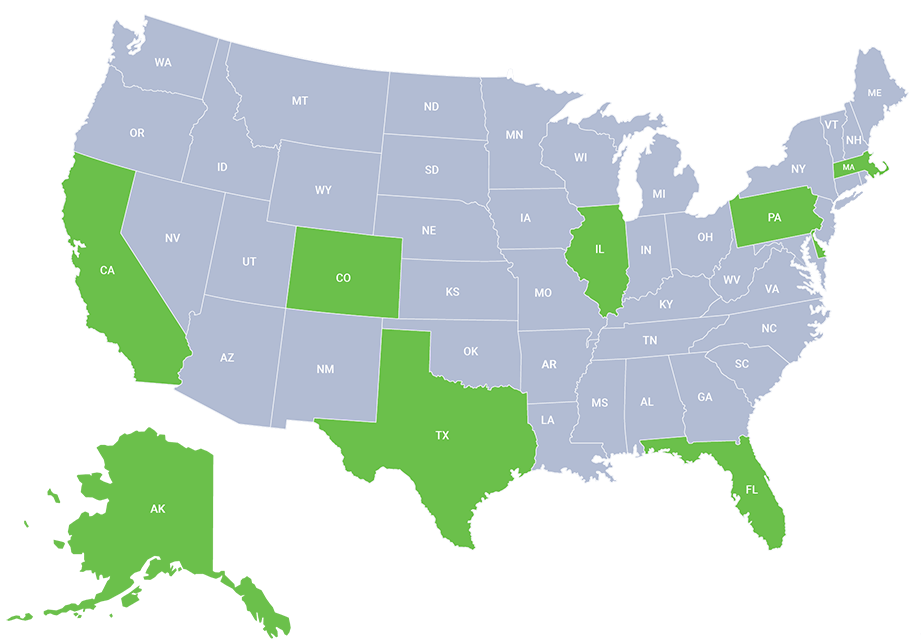
Banyan provides Partial Hospitalization Programs for mental health at multiple facilities across our national network. Our PHP includes daily group therapy using evidence-based modalities, individual therapy, psychiatric evaluation and medication management, family involvement, and structured discharge planning. Banyan Treatment Centers can help families explore whether PHP, IOP, residential treatment, or another level of care may be appropriate based on assessment, safety needs, symptoms, substance use history, and program fit. Call our admissions team to learn whether PHP is the appropriate level of care for your loved one and which Banyan location serves your area.
Banyan's Family Program
Family involvement is a clinical component of Banyan's PHP, not an optional add-on. Our Family Program provides structured family education, family therapy sessions, and direct communication with the clinical team throughout your loved one's PHP enrollment. Understanding what PHP involves and how to support it from home directly improves outcomes. Families can also use Banyan's Family Resources and Family Program to better understand how structure, communication, and follow-up care support recovery.
Call to Learn More
If your loved one is being discharged from inpatient care and needs PHP, or if they are struggling in outpatient treatment and may need a higher level of care, call our admissions team at 855-722-6926. We can assess what level of care is appropriate, walk you through what enrollment involves, and explain insurance verification and next steps.
Related Guides
When Is Inpatient Psychiatric Treatment Necessary?
Understanding when a higher level of care is the right next step.
Read the guide →What Types of Therapy Are Used in Mental Health Treatment?
An overview of all the major evidence-based therapy approaches.
Read the guide →How Do Psychiatric Medications Work?
What families should know about the medications used in mental health treatment.
Read the guide →What Is Integrated Treatment and How Does It Work?
How one care plan addresses both mental health and substance use.
Read the guide →How Do I Know If My Loved One Needs Mental Health Treatment?
Understanding what level of concern warrants action — before crisis.
Read the guide →What Are the Warning Signs of a Mental Health Crisis?
Knowing when to act — before the point where inpatient becomes necessary.
Read the guide →Additional Resources
Tools, community, and organizations to support your family's journey.
Crisis & Hotlines
Immediate help — national helplines and crisis resources for addiction and mental health emergencies.
View all crisis resources →Support Groups
Al-Anon, Nar-Anon, SMART Recovery Family & Friends, and peer groups for families.
Find a group near you →Blog & Articles
Clinician-authored articles, personal stories, and recovery news to keep families informed.
Read the Banyan blog →Insurance & Financing
Insurance verification, financing options, and navigating the cost of treatment.
Check your coverage →Downloadable Guides
Free PDFs on intervention, what to pack for treatment, and relapse prevention planning.
Free family addiction guide →About Banyan
Our clinical approach, accreditations, and the team behind Banyan's family-centered care model.
Meet our clinical team →