

What If I Can't Afford Treatment?
Cost is one of the most commonly cited barriers to addiction treatment, and one of the most often used reasons to delay getting help. What many families don't know is that there are more options for low-cost and no-cost treatment than most people realize. This guide breaks down every avenue available, from Medicaid to state-funded programs to sliding scale fees.
Medically Reviewed by:
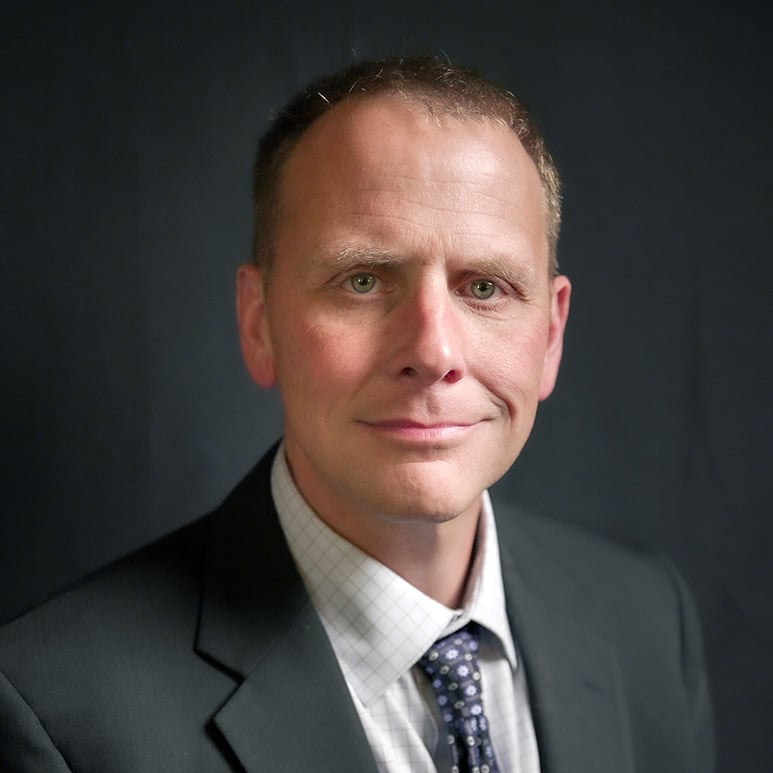
Dr. Darrin Mangiacarne
Chief Medical Officer
At Banyan Treatment Centers, Chief Medical Officer Dr. Darrin Mangiacarne leads our nationwide clinical team with over a decade of addiction medicine experience, helping ensure evidence-based, compassionate care across every level of treatment.
Author / Written by: Banyan Editorial Staff
Medically reviewed by: Dr. Darrin Mangiacarne, CMO
Updated on: June 2026
Family Resources Hub › Substance Use Resources › What If I Can't Afford Treatment?
SAMHSA's National Helpline Free, Confidential, and Connected to Local Resources
SAMHSA's National Helpline, 1-800-662-4357, is a free, confidential, 24/7 service that provides referrals to local treatment facilities, support groups, and community-based organizations. It is staffed by trained information specialists who can connect you with resources in your specific area and help you navigate funding options. Call it first if you don't know where to start.
SAMHSA also maintains the Behavioral Health Treatment Services Locator at findtreatment.gov, a searchable database of treatment facilities by location, including filter options for facilities that offer sliding scale fees, accept Medicaid, or offer free and low-cost services.
Don't Let Cost Be the Reason Your Loved One Doesn't Get Help.
Banyan's admissions team works with families across every financial situation, including those with Medicaid and those without any insurance. Call us and let's find a path forward together.
855-722-6926Free & confidential · Available 24/7 · No commitment required
Every Available Option for Low-Cost and No-Cost Treatment
Medicaid
Medicaid is the largest single source of funding for addiction treatment in the U.S. In Medicaid expansion states, individuals and families with incomes up to 138% of the federal poverty level may qualify. Coverage includes detox, residential, PHP, IOP, outpatient therapy, and MAT medications.
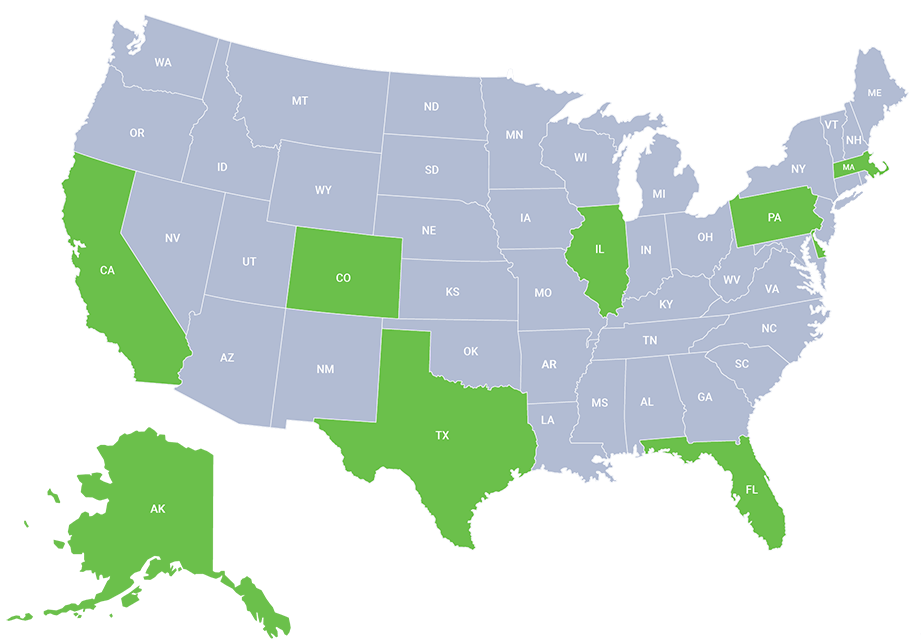
Apply through your state Medicaid office or healthcare.gov. Enrollment can often be fast-tracked in crisis situations. Banyan accepts Medicaid in multiple states, call us to confirm coverage in your state.
State-Funded Treatment Programs
Every U.S. state receives federal block grant funding (the Substance Abuse Prevention and Treatment Block Grant) to provide addiction treatment services to people without insurance or financial resources. These programs vary significantly by state in terms of services offered and wait times.
Contact your state's substance abuse agency directly or use SAMHSA's findtreatment.gov to locate state-funded programs in your area. Expect potential waitlists for residential services.
Sliding Scale Fees
Many nonprofit treatment centers offer sliding scale fees, where the cost of treatment is adjusted based on the patient's income and ability to pay. Some programs offer services at no cost for those who demonstrate financial need. Ask directly: "Do you offer sliding scale fees or financial assistance?"
Use SAMHSA's treatment locator and filter by "sliding fee scale" to find programs in your area that offer this option.
Treatment Scholarships
Some private treatment centers offer scholarships or financial assistance funds for individuals who need treatment but cannot afford it. These are typically limited and competitive, but worth asking about directly. The Hazelden Betty Ford Foundation and other large nonprofit treatment organizations have scholarship programs.
Call treatment centers directly and ask: "Do you offer any scholarship or financial assistance programs for those who cannot afford treatment?"
Payment Plans
Many private treatment facilities offer payment plans that allow families to pay for treatment over time rather than upfront. Interest-free payment plans are available at some facilities. Medical credit products (like CareCredit) also provide financing for medical and addiction treatment costs.
Ask treatment centers about their payment plan options before making any decisions based solely on sticker price. The actual cost after insurance, sliding scale adjustments, and payment plans is often far lower than the posted rate.
Community Health Centers and FQHCs
Federally Qualified Health Centers (FQHCs) receive federal funding to provide services on a sliding scale basis regardless of ability to pay. Many FQHCs now offer integrated addiction treatment services including MAT, counseling, and referrals to residential programs. Use the HRSA Health Center Finder at findahealthcenter.hrsa.gov to locate one near you.
FQHCs are particularly valuable for access to MAT (buprenorphine) when insurance is unavailable — many can prescribe and manage MAT on a sliding scale basis.
Cost Should Not Delay Treatment, Especially With Opioids
The impulse to figure out finances before taking action is understandable, but for opioid use disorder in particular, delay can be fatal. Every day your loved one continues to use fentanyl-contaminated substances carries overdose risk. The cost of one fatal overdose, in human terms, in family terms, is immeasurably higher than the cost of any treatment program.
If your loved one needs help right now and you don't have a financial plan sorted, call SAMHSA (1-800-662-4357) or Banyan (855-722-6926) and be honest about your financial situation. Experienced admissions teams know how to navigate this, it is part of what they do every day. Don't wait until the finances are perfect. Start the conversation now.
Speak With an Admissions Specialist
Fill out the form below and a member of our team will reach out within one business hour, confidentially and without pressure.
Related Guides
Does Insurance Cover Addiction Treatment?
What insurance plans are required to cover and what varies by plan type.
Read the guide →How to Verify Your Insurance Benefits
The exact questions to ask your insurer and how to do a benefits check before admission.
Read the guide →The Mental Health Parity Act
Your legal rights when insurance applies more restrictive standards to addiction treatment.
Read the guide →How to Appeal an Insurance Denial
What to do when you have insurance but the coverage is being denied.
Read the guide →How Dangerous Is Fentanyl?
Why cost should not delay treatment for opioid use disorder — the stakes of waiting.
Read the guide →Understanding Treatment Options
The full continuum of care — and which levels may be accessible through lower-cost pathways.
Read the guide →Additional Resources
Tools, community, and organizations to support your family's journey.
Crisis & Hotlines
Immediate help — national helplines and crisis resources for addiction and mental health emergencies.
View all crisis resources →Support Groups
Al-Anon, Nar-Anon, SMART Recovery Family & Friends, and peer groups for families.
Find a group near you →Blog & Articles
Clinician-authored articles, personal stories, and recovery news to keep families informed.
Read the Banyan blog →Insurance & Financing
Insurance verification, financing options, and navigating the cost of treatment.
Check your coverage →Downloadable Guides
Free PDFs on intervention, what to pack for treatment, and relapse prevention planning.
Free family addiction guide →About Banyan
Our clinical approach, accreditations, and the team behind Banyan's family-centered care model.
Meet our clinical team →