

Written by: Banyan Editorial Staff | Medically reviewed by: Dr. Darrin Mangiacarne - Chief Medical Officer | Edited: June 2026
Alcohol problems do not always look like a crisis from the outside. Someone may still be working, caring for family, or keeping up appearances while drinking has become difficult to control. For people in Philadelphia and nearby Pennsylvania communities, an alcohol rehab IOP can provide more structure than weekly therapy without requiring 24-hour residential care.
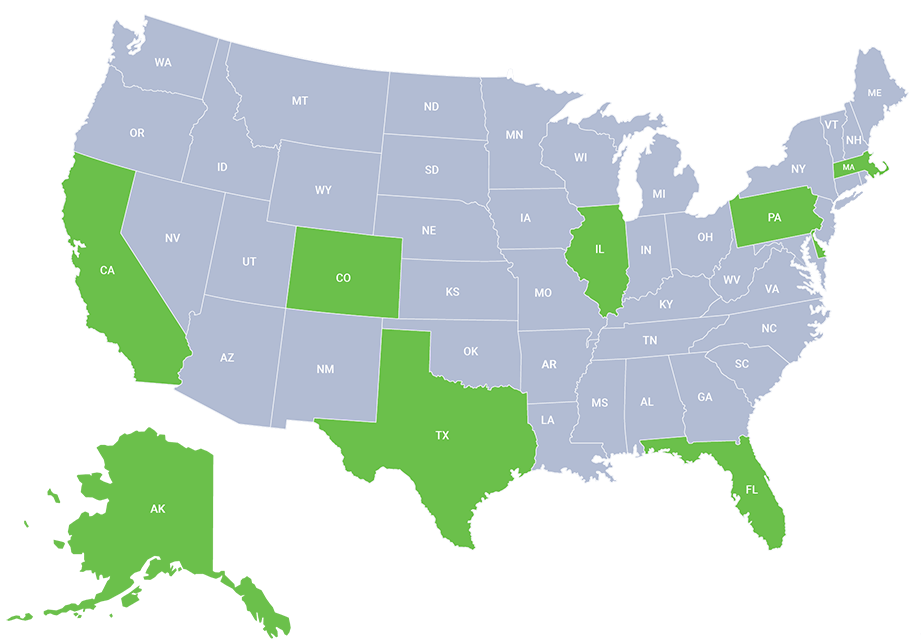
Banyan Philadelphia is located in Langhorne and serves the greater Philadelphia area. The program offers day treatment/PHP, intensive outpatient treatment, telehealth IOP, and mental health outpatient services. That range can help clients step down from higher care or begin treatment at an outpatient level when clinically appropriate.
What Is Alcohol Rehab IOP?
IOP stands for intensive outpatient program. It is a structured level of care where clients attend treatment several times per week while continuing to live at home or in supportive housing. The SAMHSA advisory on intensive outpatient treatment describes IOP as a service that can support people with substance use disorders through scheduled therapeutic programming.
For alcohol use disorder, IOP may include group therapy, individual counseling, relapse prevention, education, accountability, and support for co-occurring mental health symptoms. It is often useful for people who need a treatment routine but can stay safe without overnight supervision.
Questions about our Facilities or Programs?
Our admissions coordinators are available 24/7 to answer any questions you may have as you consider whether treatment at Banyan is right for you or your loved one.
When Alcohol IOP May Be Recommended
Alcohol IOP may be helpful when drinking is affecting health, relationships, work, or emotional stability, but inpatient or residential care is not required. It may also follow detox, inpatient treatment, or PHP as a step-down level of care.
- drinking continues despite relationship, work, or health consequences
- attempts to cut back have not lasted
- cravings or triggers are difficult to manage alone
- weekly therapy does not provide enough structure
- the person completed detox, residential treatment, or PHP and needs continued support
If alcohol withdrawal is possible, medical evaluation is important. Alcohol withdrawal can be dangerous for some people, and detox may be needed before IOP.
Evidence-Based Support for Alcohol Use Disorder
Alcohol use disorder is treatable. The NIAAA alcohol treatment guide explains that treatment can include behavioral therapies, medications, mutual support groups, or a combination of options. No single approach is right for everyone, which is why assessment matters.
In IOP, clients can work on the thinking patterns, social pressures, stress, and routines that keep drinking in place. Treatment may also help with guilt, anxiety, depression, anger, sleep problems, or family conflict that often surrounds alcohol misuse.
Alcohol Rehab at Banyan Philadelphia
The Banyan Philadelphia facility serves Langhorne, Philadelphia, Bucks County, and nearby areas. Its levels of care include PHP, IOP, telehealth IOP, and mental health outpatient services. This makes it possible to discuss both in-person and virtual options depending on clinical fit and scheduling needs.
Some clients enter IOP after a higher level of care. Others start IOP because they need consistent accountability while still working, attending school, or caring for family. Treatment plans are built around the client’s needs rather than a fixed path.
What You Can Expect
A client can expect an assessment, treatment planning, structured sessions, and continued review of progress. Group therapy may focus on cravings, relapse prevention, communication, coping skills, and rebuilding daily routines. Individual sessions can address personal triggers, shame, trauma, family strain, or goals for sobriety.
The Banyan intensive outpatient program page offers more detail on how IOP fits between standard outpatient care and higher levels of treatment.
Continued Care After IOP
Finishing IOP should not mean losing support. A continuing care plan may include standard outpatient therapy, recovery meetings, medication follow-up when appropriate, family support, alumni resources, or telehealth care. The goal is to help clients keep using the skills they practiced in treatment once stress returns.
Insurance and Admissions
Banyan’s admissions team can discuss alcohol use, safety concerns, treatment history, and scheduling needs. The Banyan insurance verification page can help clients and families understand coverage before starting care.
Why Detox Questions Come First
Before someone starts alcohol IOP, the care team should understand how much they drink, how often they drink, and whether they have had withdrawal symptoms before. Shaking, sweating, nausea, anxiety, insomnia, hallucinations, or seizures can point to a need for medical evaluation. If detox is recommended, it is not a punishment or a delay. It is a safety step that can help the person begin treatment on steadier ground.
How IOP Helps With Real-Life Drinking Triggers
One reason IOP can be helpful is that clients practice recovery while still living in the same world where drinking triggers appear. A person may need to navigate restaurants, sports events, work stress, family conflict, loneliness, or the habit of stopping for alcohol after a long day. Treatment gives them a place to process those moments and make a new plan for the next one.
This real-life connection can make IOP different from a short break away from alcohol. Clients are not only talking about sobriety in theory. They are learning how to protect it during the week.
Getting into treatment is easy with our free insurance verification
"*" indicates required fields
Support for Families and Loved Ones
Alcohol addiction often affects the whole household. Loved ones may be unsure whether they are helping, enabling, or becoming too controlling. When appropriate, IOP can include family education or communication work so the home environment supports recovery without making one person responsible for another adult’s sobriety. Clear expectations around alcohol in the home, transportation, finances, and relapse response can reduce confusion after treatment begins.
IOP can also be useful for people who are not sure they “count” as needing rehab. If alcohol is becoming harder to control, if limits keep moving, or if drinking is used to cope with stress, treatment may be worth discussing before consequences become worse. An assessment can help separate fear, shame, and facts.
For some clients, Philadelphia-area access also matters because treatment should connect to real routines. Transportation, work hours, family schedules, and recovery support can all affect whether a plan is realistic enough to continue.
Because alcohol is legal and common, people often minimize how much it is affecting them. IOP can help clients look honestly at patterns without requiring them to wait until everything collapses. Getting help early can protect health, relationships, employment, and family stability.
Insurance and Admissions
Banyan’s admissions team can discuss alcohol use, safety concerns, treatment history, and scheduling needs. The Banyan insurance verification page can help clients and families understand coverage before starting care.
Frequently Asked Questions