
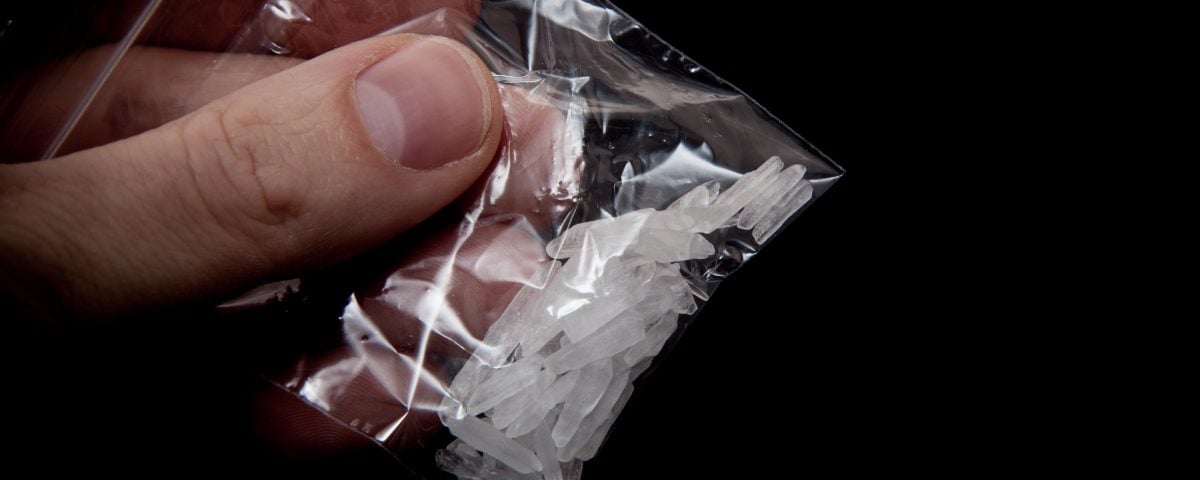
What is Tina slang for? “Tina” is a name given by the LGBTQ community and refers to the well-known drug crystal methamphetamine or crystal meth. Other words for the drug include chalk, sketch, speed, and zoom. The Tina drug is popularly used by gay men and women in the LGBTQ community who will often use the drug to perform sexual activities, typically during sex parties. The lavish parties are often advertised on social media platforms like Tinder and will provide free crystal meth to enhance sexual experiences.
If concerns about stimulant use disorder are affecting your daily life, the team at our meth rehab center in Cathedral City, CA can guide you through residential treatment options designed for lasting recovery.
Questions about our Facilities or Programs?
Our admissions coordinators are available 24/7 to answer any questions you may have as you consider whether treatment at Banyan is right for you or your loved one.
Why Is Meth Called Tina?
The drug called Tina is a shortened name or nickname for Christina, which refers to crystal meth. The drug is highly addictive and abused mainly by gay men. The drug grants a powerful euphoric sensation and comes in several forms, including powder, tablets, and crystals. People will smoke Tina for rapid effects and often perform sex for an extended time. The Tina drug is known to produce numerous intense phases, which can lead to long-term health complications or overdose. From the rush and euphoric phase to the hangover and depression phase. The after-effects often lead to relapse and addiction.
Crystal Meth Side Effects
Since the Tina drug inflicts sex for hours and increases pain tolerance, the LGBTQ community is well-known for misuse and abuse of the drug. Unfortunately, due to the boost of confidence, many users still do not use protection during intercourse, resulting in a spike in HIV and STDs in the LGBTQ community. Other Tina effects include:
- Addiction
- Tremors
- Jaw clenching
- Severe tooth decay
- Extreme weight loss
- Severe sleep disorders
- Delirium and psychosis
- Anxiety or panic attacks
- Increased blood pressure
- Increased heart rate or heart attack
If a person is undergoing these negative side effects, then meth addiction treatment is highly recommended as soon as possible to avoid long-term health risks or overdose. Signs of meth use include paranoia, dilated pupils, reduced appetite, rotting teeth, and outbursts or mood swings. If a person is showing these signs or other behavioral changes like twitching or hypersensitivity, seek immediate medical attention.
Our meth rehab center in Gilman, IL provides residential treatment that can help individuals manage meth addiction through evidence-based approaches and personalized care plans.
Getting into treatment is easy with our free insurance verification
"*" indicates required fields
Meth Addiction Treatment at Banyan Chicago
At our Chicago addiction treatment center, we pride ourselves on providing a clean and safe environment for our LGBTQ community so they may receive the proper treatment they need to reach their recovery goals. From meth and opioid to alcohol and cocaine addiction treatment, we have the resources necessary for recovery. Do not wait to return to living a life under your control.
If you're ready to address methamphetamine dependence, contact our drug rehab in Waelder, TX to explore residential treatment and begin the path toward healing.
Speak to a specialist at Banyan Treatment Centers Chicago by calling 888-280-4763 and asking about our medically monitored detox programs and our outpatient program to get started today!
Related Readings:
How Long Does Meth Psychosis Last?
Sources
- National Institute on Alcohol Abuse and Alcoholism (NIAAA). (None). Hangovers | National Institute on Alcohol Abuse and Alcoholism (NIAAA).
- National Center for Biotechnology Information (NCBI/PMC). (2022). Topical cannabidiol (CBD) in skin pathology.
- CDC (via MMWR). (2006). CDC Consultation on Methamphetamine Use and Sexual Risk Behavior among Men who have Sex with Men.
- U.S. Food and Drug Administration. (2019). Fentanyl Citrate Injection Highlights of Prescribing Information.
- NCBI Bookshelf / StatPearls. (None). Alcohol Withdrawal Syndrome - StatPearls - NCBI Bookshelf.
- BMC Oral Health. (2016). Sympathomimetic effects of chronic methamphetamine abuse on oral health: a cross-sectional study. DOI: 10.1186/s12903-016-0236-5
- National Institute on Drug Abuse (NIDA). (2014). HEROIN - National Institute on Drug Abuse.
- NCBI Bookshelf - NIH. (2023). Methamphetamine - StatPearls - NCBI Bookshelf.
- NCBI - NIH. (None). Endocrinology of the Testis and Spermatogenesis.
- National Institutes of Health / PMC. (2019). Methamphetamine Use and Cardiovascular Disease.
- Frontiers in Pharmacology. (2021). The Adverse Cardiovascular Effects and Cardiotoxicity of Kratom: A Narrative Review. DOI: 10.3389/fphar.2021.713361
- National Institute on Alcohol Abuse and Alcoholism (NIAAA). (1998). Alcohol Hangover: Mechanisms and Mediators - PMC - NIH.
- NCBI Bookshelf. (2023). Antidepressants - StatPearls - NCBI Bookshelf - NIH.
- NCBI Bookshelf. (2024). Amphetamine Toxicity - StatPearls - NCBI Bookshelf - NIH.
- International Journal of Molecular Sciences. (2021). The Impact of Diet and Exercise on Drug Responses - PMC. DOI: 10.3390/ijms22136892
Wherever you are, we have you.
Not sure what level of care fits your needs? Our admissions team can help you understand your options confidentially.
Medical Disclaimer
Banyan Treatment Centers aims to improve the quality of life for people struggling with substance use or mental health disorders with fact-based content about the nature of behavioral health conditions, treatment options and their related outcomes. We publish material that is researched, cited, edited and reviewed by licensed medical professionals. The information we provide is not intended to be a substitute for professional medical advice, diagnosis or treatment. It should not be used in place of the advice of your physician or other qualified healthcare providers.