

Mental Health & Addiction in Minority Communities
Mental health and addiction affect people from all walks of life, but for Black, Hispanic/Latinx, Asian American, Indigenous, and other minority communities, the path to healing is often filled with added obstacles. Cultural stigma, systemic inequities, and a lack of representation in care contribute to underdiagnosis, inadequate treatment, and struggles that often go unspoken.
At Banyan Treatment Centers, we believe it's time to change the conversation, and provide real, equitable resources that meets individuals where they are, whether they’re facing a mental health disorder, a substance use disorder, or both.
A National Crisis: Disparities in Treatment Access
According to the U.S. Department of Health and Human Services Office of Minority Health:
- Only 1 in 3 Black adults who need mental health care receive it.
- Hispanic/Latinx individuals are less likely to access services due to language, immigration status, and cultural stigma.
- Asian Americans have the lowest rates of treatment use, despite rising reports of depression and anxiety.
- Native American and Alaska Native communities experience PTSD and substance use disorders at disproportionately high rates.
These disparities are not just about lack of services, they reflect deeper issues of access, trust, and representation in healthcare.
Barriers That Minorities Face in Seeking Help
Stigma and Silence: In many cultures, addiction and mental health are taboo topics. Individuals may be told to "stay strong" or “pray it away.” Therapy can be seen as weakness or betrayal. This silence leads many to self-medicate with drugs or alcohol, further deepening the struggle.
Language & Cultural Disconnect: Therapists or providers who don’t understand cultural values may unknowingly dismiss or misinterpret experiences. When treatment isn’t culturally sensitive, it becomes less effective, and often, less trusted.
Access and Affordability: Racial and ethnic minority groups are more likely to be uninsured or underinsured. Some communities face provider shortages, while others lack transportation or time off work to pursue treatment. These logistical barriers often delay or derail the recovery process.
Lack of Representation in Providers: With only 5% of psychologists identifying as Black and similar numbers for Hispanic and Asian professionals, patients often struggle to find providers they relate to. Trust is a critical factor in recovery, representation helps build that trust.
Historical Trauma and Systemic Racism: Addiction and mental health challenges are often rooted in generational trauma, racism, colonization, or forced displacement. These histories carry emotional weight, especially when combined with ongoing societal stressors like discrimination or police violence.
Getting into treatment is easy with our free insurance verification
"*" indicates required fields
Overlooked & Misunderstood Conditions
- Depression is often misinterpreted as laziness or physical illness.
- Anxiety may be minimized as being "too sensitive" or dramatic.
- PTSD and complex trauma can stem from violence, racism, abuse, or immigration-related experiences.
- Substance use is frequently a coping tool for untreated trauma, but dual diagnosis care remains limited and underutilized.
Faith as Both Support and Stigma
Faith is a powerful source of strength in many cultures, but it can also discourage individuals from seeking professional help. Some may be told that addiction is a moral failing or that mental illness means a lack of faith.
At Banyan, we honor your spiritual beliefs. Our Faith in Recovery program offers a unique approach that blends clinical care with spiritual support, helping individuals reconnect with their faith while receiving evidence-based treatment for mental health and addiction.
Culturally Competent Support: What Makes a Difference
At Banyan Treatment Centers, we know recovery is not one-size-fits-all. Our programs are designed to recognize and respect each patient’s cultural background, lived experiences, and personal identity.
- Depending on the location, we offer:
- Faith-based counseling options
- Dual diagnosis treatment for mental health and substance use disorders
- Trauma-informed, inclusive environments
- LGBTQ+ programs
- Gender-specific programs
While availability may vary by facility, each of our centers is committed to providing compassionate, culturally responsive care that meets individuals where they are in their recovery journey.
What You Can Do If You’re Struggling
If you’re part of a minority community and struggling with addiction or mental health challenges:
- Your pain is valid.
- You are not alone.
- Help is out there—and you deserve it.
Steps you can take:
- Reach out to trusted leaders in your community, pastors, elders, teachers, or mentors.
- Use directories to find therapists who understand your background and speak your language.
- Explore local or virtual support groups or therapy tailored to your experiences.
- Call or text free helplines when you need immediate support.
Frequently Asked Questions
Q: Will therapy or rehab go against my cultural or religious values?
A: Not at all. At Banyan, we respect your beliefs. Our culturally sensitive and faith-based programs allow you to heal in a way that feels authentic to you.
Q: What if I can’t afford treatment?
A: We partner with many insurance providers and offer telehealth services to help make treatment more accessible. If we’re not the right fit, we can assist to refer you to a trusted treatment center that can.
Q: How do I know if I need help?
A: If you’re feeling constantly overwhelmed, isolated, or struggling to cope, or if substance use is affecting your health, relationships, or work, it’s time to reach out. There’s no shame in getting help.
Resources for Minority Mental Health Support
Immediate Support
- 988 Suicide & Crisis Lifeline: Dial 988 for 24/7 free, confidential support
- SAMHSA’s National Helpline: 1-800-662-HELP (4357)
Therapy & Mental Health Services
Free Mental Health Support Lines
- BlackLine (peer support for Black, Brown, and Indigenous people): 1-800-604-5841
- The Steve Fund (support for young people of color): Text STEVE to 741741
- Trans Lifeline: 877-565-8860 (available in English and Spanish)
How Banyan Treatment Centers Can Help
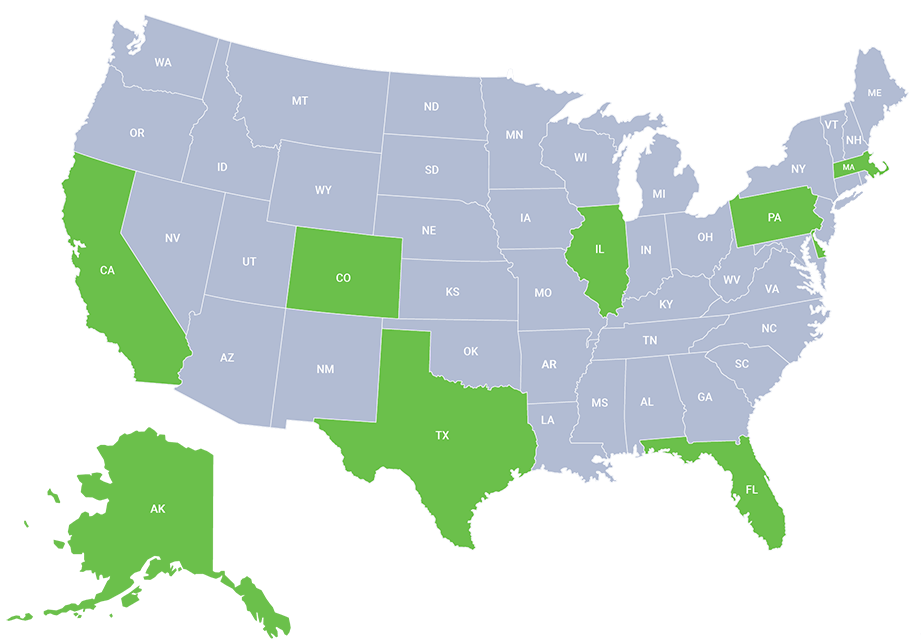
At Banyan Treatment Centers, we believe everyone deserves compassionate, individualized mental health and addiction care, no matter your race, ethnicity, or gender identity. Our facilities across the country offer:
- Evidence-based treatment for anxiety, depression, PTSD, and substance use
- Medical detox, inpatient rehab, PHP, IOP, and outpatient programs
- Dual diagnosis care for co-occurring conditions
- Specialized programs for LGBTQ+, veterans, first responders, and spiritual recovery
- Telehealth services to improve access and flexibility
- Our clinicians are trained in cultural competence and trauma-informed care, creating an inclusive and empowering space for healing.
Our clinical teams are trained in trauma-informed care, and evidence-based practices, ensuring that each patient receives the support they need in a respectful, inclusive environment.
Let’s End the Stigma. Let’s Start Healing.
Struggling with addiction or mental health doesn’t make you weak, it makes you human. Healing doesn’t mean changing who you are; it means reclaiming your strength, your peace, and your purpose.
At Banyan Treatment Centers, we’re here to walk beside you. Together, we can build a healthier, more inclusive future, one step at a time. Call us today to learn more or to get started.
Wherever you are, we have you.
Not sure what level of care fits your needs? Our admissions team can help you understand your options confidentially.
Medical Disclaimer
Banyan Treatment Centers aims to improve the quality of life for people struggling with substance use or mental health disorders with fact-based content about the nature of behavioral health conditions, treatment options and their related outcomes. We publish material that is researched, cited, edited and reviewed by licensed medical professionals. The information we provide is not intended to be a substitute for professional medical advice, diagnosis or treatment. It should not be used in place of the advice of your physician or other qualified healthcare providers.