

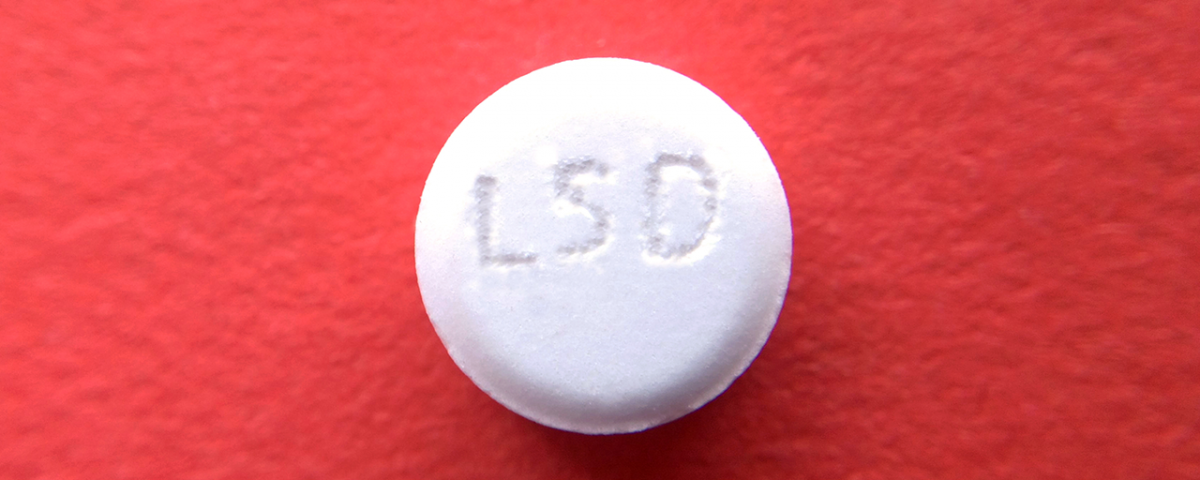
Hanging out with friends in the city can feel like a movie. For some, enhancing that sensation takes priority over safety and health and will include illicit drugs in their substance regimen for the night. An increasingly popular choice is known as LSD and is infamous for its mind-altering effects in nightclub settings. The popularity has led to a slew of misinformation about the exact type of drug LSD is. So Banyan Pompano asks the question, Is LSD a stimulant?
For those seeking help with stimulant use disorder, our methamphetamine treatment facility in Cathedral City, CA provides residential treatment tailored to each individual's needs.
Examples of Stimulants
To begin answering if LSD is a stimulant, it is necessary to examine other examples of popular party drugs, some of which are these intense substances.
Some examples include:
- Cocaine
- Amphetamines
- Nicotine
- Caffeine
Caffeine and nicotine are common in the everyday lives of people around the world. A cup of coffee has become synonymous with the beginning of a workday, while cigarettes (and now vapes) are typically used to help unwind when things get tense. Prescribed stimulants are helpful in patients dealing with narcolepsy and ADHD. What stimulants are used for will depend on the person, but their main function is to help the brain and body by speeding up response time and messages between the two.
While it may produce similar effects at times, LSD falls into a separate category of drugs: hallucinogens.
Questions about our Facilities or Programs?
Our admissions coordinators are available 24/7 to answer any questions you may have as you consider whether treatment at Banyan is right for you or your loved one.
What Is a Hallucinogen?
The name is derived from the word hallucination, which can connect the dots of exactly what these drugs are capable of. The National Institute on Drug Abuse defines them as “a diverse group of drugs that alter perception, thoughts, and feelings”.1
Examples of Hallucinogens Include:
- LSD
- Peyote
- Cannabis
LSD is short for lysergic acid diethylamide and is known for its intense mind-altering capabilities.
Effects of LSD
How Does LSD Make You Feel?
The world around a person on LSD will likely appear extremely distorted from reality. Being on LSD can give users feelings of:
- Excitement
- Energy
- Euphoria
- Fear
- Anxiety
Some people elect to take the drug in a party setting to enhance their social experience, while other users will do so in solitude for habitual or spiritual practices. Unfortunately, LSD has effects on both the physical body and the user’s mind.
LSD Physical Effects
- Dilated pupils
- Incessant jaw clenching
- Numbness
- Body tremors
- Visible energy
Psychological Effects of LSD
- Overall detachment from oneself and surroundings
- Hallucinations
- Affected perception of one’s environment and safety
- Personality changes
- Distorted visuals of surrounding objects
Long-Term Effects of LSD
When any kind of dependence is formed around a substance, prolonged use will likely result in effects on the body and mind that will persist even after consumption has stopped.
These can include:
- Fast heartbeat
- Easily agitated
- Irregular blood pressure
- Seizures
- Fever
Our methamphetamine treatment facility in Gilman, IL provides medically supervised detox that can help individuals manage meth addiction through evidence-based approaches and personalized care plans.
Getting into treatment is easy with our free insurance verification
"*" indicates required fields
So is LSD a stimulant? The answer is no. It is a hallucinogen with mind-altering effects that some may confuse it for. While there is certainly more research to be done on the long-lasting effects of LSD, we should still remember to prioritize one’s long-term wellness in both body and mind. Our Pompano Beach drug rehab is equipped with the resources necessary to help you manage a large variety of addictions and dependencies.
To learn more about treatment options for stimulant use disorder, contact the professionals at our drug rehab in Waelder, TX and take the first step toward a healthier life.
If you or a loved one struggles with substance abuse, call Banyan at 888-280-4763 for more information on our Pompano rehabilitation center.
Sources:
- NIDA - Hallucinogens DrugFacts
Related Readings:
Sources
- PMC - NIH. (2019). A Case Study of Acute Stimulant-induced Psychosis - PMC - NIH.
- U.S. Food and Drug Administration. (2023). Ritalin - accessdata.fda.gov.
- National Center for Biotechnology Information (NCBI), National Library of Medicine. (n.d.). Stimulants - StatPearls - NCBI Bookshelf - NIH.
- National Institute on Drug Abuse (NIDA). (n.d.). HALLUCINOGENS AND DISSOCIATIVE DRUGS - NIDA.
- Department of Veterans Affairs, Evidence Synthesis Program. (2022). Evidence Brief: Psychedelic Medications for Mental Health and Substance Use Disorders.
- National Institute on Drug Abuse (NIDA). (2023). Hallucinogens DrugFacts.
- Wiley Online Library. (2019). The Pharmacology of Lysergic Acid Diethylamide: A Review - PMC. DOI: 10.1002/prp2.512
- Cleveland Clinic. (n.d.). Hallucinogens: LSD, Peyote, Psilocybin, PCP & Other Psychedelic Drugs.
- NCBI Bookshelf / StatPearls. (n.d.). Lysergic Acid Diethylamide Toxicity - StatPearls - NCBI Bookshelf.
Wherever you are, we have you.
Not sure what level of care fits your needs? Our admissions team can help you understand your options confidentially.
Medical Disclaimer
Banyan Treatment Centers aims to improve the quality of life for people struggling with substance use or mental health disorders with fact-based content about the nature of behavioral health conditions, treatment options and their related outcomes. We publish material that is researched, cited, edited and reviewed by licensed medical professionals. The information we provide is not intended to be a substitute for professional medical advice, diagnosis or treatment. It should not be used in place of the advice of your physician or other qualified healthcare providers.