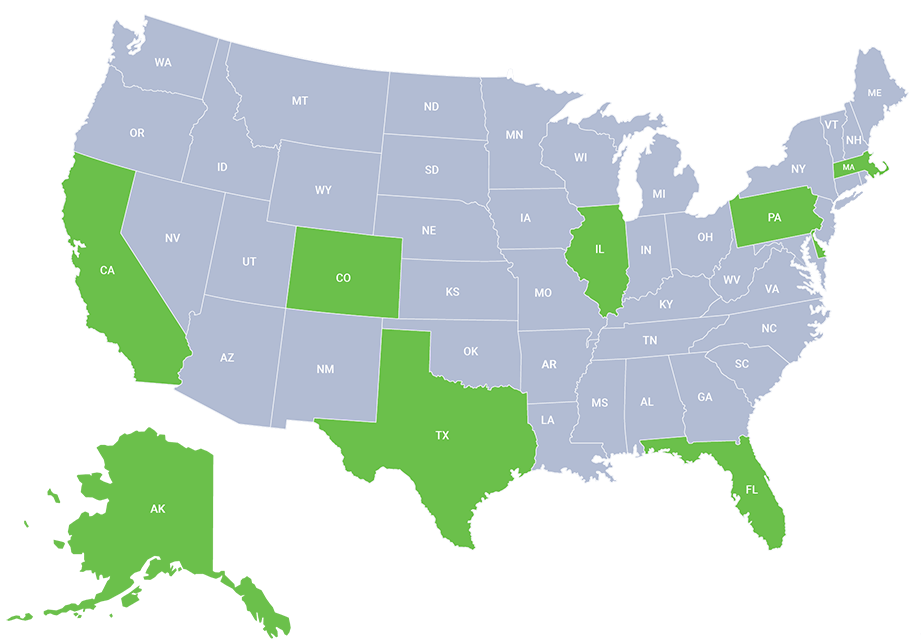


Alaska faces a growing and multifaceted challenge with drug abuse and addiction, impacting healthcare, law enforcement, and social welfare systems. The rise in substance misuse and associated social consequences necessitates a thorough understanding and response. Our addiction treatment centers in Alaska are at the forefront, analyzing the evolving drug issues, exploring their root causes, and developing strategies to combat them. We aim to offer insights into effective solutions and harm reduction strategies for drug use in the state.
If you or someone you care about is dealing with addiction, the professionals at our residential treatment center in Boca Raton, FL provide residential addiction treatment in a supportive environment.
What Drugs Are Illegal in Alaska?
Both federal and Alaska drug classifications consider factors like abuse potential and medical use, but Alaska’s drug schedules differ from federal schedules. In Alaska, substances are ranked by their danger rather than their medical use. For example, fentanyl, despite its medical applications, is classified as a Schedule IA drug due to its high potential for abuse and risk. Methamphetamine, with no medical use, is classified as a Schedule IIA drug, reflecting its lower abuse potential compared to opiates.
Alaska Drug Schedules
Below is a breakdown of the first four drug schedules in Alaska and the commonly used drugs classified under each:1,2
- Schedule IA (I)
- Includes substances with the highest danger to individuals or the public.
- Opiates and Opioids: Heroin, OxyContin (oxycodone), Actiq (fentanyl)
- Synthetic Drugs: Gamma-Hydroxybutyric Acid (GHB), often used as a date rape drug
- Schedule IIA (II): Substances with significant danger but less than those in Schedule IA.
- Psychedelics and Hallucinogens: Peyote, Magic Mushrooms (psilocybin), PCP, Ecstasy (MDMA)
- Stimulants and Depressants: Methamphetamine, Adderall (amphetamine), Amobarbital, Nembutal, Cocaine
- Schedule IIIA (III): Substances with moderate danger.
- Stimulants: Didrex (benzphetamine)
- Depressants: Doriden (glutethimide), Sulfonmethane
- Anesthetics: Telazol/Zoletil (tiletamine & zolazepam)
- Schedule IVA (IV): Substances with lower danger compared to Schedule IIIA.
- Benzodiazepines: Xanax (alprazolam), Ativan (lorazepam), Valium (diazepam)
- Other Substances: Ketamine
- Schedule VA (V): Substances with lower danger than Schedule IVA.
- Buprenorphine: Suboxone (buprenorphine hydrochloride)
- Anabolic Steroids: Testosterone, Anadrol (oxymetholone)
- Schedule VIA (VI): Substances with the lowest danger.
- Marijuana
Commonly Abused Drugs in Alaska
In 2021, the Statewide Drug Enforcement Unit (SDEU) made 146 unique drug and alcohol arrests in Alaska. The kind, amount, and value of narcotic drugs and alcoholic beverages seized in Alaska in 2021 are as follows:
- Marijuana: 49,078 grams
- Methamphetamine: 25,838 grams
- Heroin: 9,296 grams
- Cocaine: 6,320 grams
- Fentanyl: 612 grams
There was a 20% increase in alcohol seizures from 2020 to 2021, with significant quantities of marijuana, cocaine, heroin, and fentanyl also seized. The data reflects that alcohol, marijuana, cocaine, heroin, methamphetamine, and fentanyl are among the most commonly used substances in Alaska.
Drug Usage Rate in Alaska
Recent surveys indicate that the drug usage rate in Alaska is 13.65%, higher than the national average of 8.82%. Specifically, 3.62% of Alaskans reported using illicit drugs other than marijuana in the past month, compared to a national average of 3.33%. This highlights the severity of drug-related issues in Alaska, underscoring the need for effective interventions.
Overdose Statistics in Alaska
Opioids, particularly fentanyl, are a major concern. According to the Alaska Department of Health and Social Services, fentanyl overdose deaths increased by 193% from 2019 to 2020. Fentanyl accounted for approximately 49% of all drug overdoses in Alaska in 2020. This alarming trend underscores the urgency of addressing opioid abuse in the state.
Getting into treatment is easy with our free insurance verification
"*" indicates required fields
Drug Trafficking in Alaska
Alaska's geographic location and extensive coastline make it a key transit point for drug trafficking. The state faces significant challenges due to its remote areas and vulnerable borders. Commonly trafficked drugs include methamphetamine, opioids, cocaine, and marijuana. Anchorage, with 40% of the state's population, is a central hub for narcotics trafficking. Addressing drug trafficking requires a coordinated approach involving law enforcement, prevention, treatment, and public education.
At our inpatient rehab facility in Cathedral City, CA, individuals dealing with substance abuse have access to medically supervised detox and a multidisciplinary team of treatment professionals.
Opioid Epidemic in Alaska
The opioid epidemic in Alaska presents a daunting challenge, with drug overdose deaths steadily increasing over the years. Fentanyl, a potent synthetic opioid, has been a significant contributor to the rise in overdose deaths, accounting for a large portion of drug-related fatalities. The Alaska Department of Health and Social Services reports a sharp increase in fentanyl deaths, underscoring the urgent need for targeted interventions.
Alaska's unique challenges, including its vast geographical expanse and limited access to healthcare and social services, complicate efforts to combat the opioid crisis. The remote location of many communities makes it difficult to provide timely treatment and prevention resources. Additionally, the state's extensive coastline and remote areas make it a prime target for drug trafficking, further exacerbating the opioid epidemic.
Efforts to address this crisis involve a multifaceted approach, combining prevention, treatment, and education initiatives. State leaders are launching new education campaigns to raise awareness about the dangers of drug misuse and the importance of seeking help. Community partnerships play a crucial role in providing resources and support to individuals affected by addiction.
By improving access to treatment and prevention resources, Alaska aims to reduce the number of opioid-related overdose deaths and support individuals on their path to recovery. Addressing drug trafficking is also essential, as it directly impacts the availability of illicit opioids in the state. Through coordinated efforts, Alaska hopes to mitigate the impact of the opioid epidemic and foster healthier communities.
Drug Overdose Deaths in Alaska
Alaska is facing a critical situation with drug overdose deaths on the rise, significantly impacting its communities. The opioid epidemic, particularly involving fentanyl, has led to a sharp increase in overdose deaths, accounting for a large percentage of drug-related fatalities. According to data from the Alaska Department of Health and Social Services, fentanyl deaths have surged, highlighting the urgent need for intervention.
The rise in drug overdose deaths is not solely attributed to opioids. Methamphetamine, cocaine, and heroin also play significant roles in the increasing number of drug-related deaths. This crisis is exacerbated by Alaska's unique challenges, such as its vast geographical expanse and limited access to healthcare and social services, making it difficult to address the issue effectively.
Efforts to combat this growing problem include a combination of prevention, treatment, and education initiatives. State leaders are launching new education campaigns to raise awareness about the dangers of drug misuse and the importance of seeking help. Community partnerships are vital in providing resources and support to those affected by addiction, aiming to reduce the number of drug overdose deaths.
Addressing drug trafficking is also crucial, as Alaska's remote areas and extensive coastline make it a key transit point for illicit substances. By tackling drug trafficking and improving access to treatment and prevention resources, Alaska hopes to decrease the number of overdose deaths and support individuals on their path to recovery.
Addiction Treatment in Alaska
Addiction has far-reaching effects on individuals, families, and communities in Alaska. Addressing this crisis necessitates access to effective treatment. Banyan Alaska provides comprehensive and evidence-based substance abuse treatment services. Our dedicated healthcare professionals utilize innovative treatment modalities to combat addiction effectively.
To learn more about treatment options for addiction, contact the professionals at our inpatient rehab facility in Castle Rock, CO and take the first step toward a healthier life.
If you or someone you know is struggling with addiction, contact Banyan Treatment Centers at 888-280-4763 or reach out to us online. Our team is here to support you in the fight against addiction.
Sources
- National Library of Medicine. (2022). Pharmacist Allowances for the Dispensing of Emergency or ... - PMC. DOI: 10.7759/cureus.24879
- CriminalDefenseLawyer.com. (2023). Possession of a Controlled Substance in Alaska.
- Alaska Department of Public Safety | Statewide Drug Enforcement Unit (SDEU). (2021). 2021 Annual Drug Report.
- Substance Abuse and Mental Health Services Administration. (2012). Alaska Drug Control Update.
- Drug Enforcement Administration (DEA). (n.d.). Operation Engage Anchorage.
- Centers for Disease Control and Prevention. (n.d.). Understanding the Opioid Overdose Epidemic.
- DEA Diversion Control Division. (n.d.). Controlled Substance Schedules - DEA Diversion Control Division.
Wherever you are, we have you.
Not sure what level of care fits your needs? Our admissions team can help you understand your options confidentially.
Medical Disclaimer
Banyan Treatment Centers aims to improve the quality of life for people struggling with substance use or mental health disorders with fact-based content about the nature of behavioral health conditions, treatment options and their related outcomes. We publish material that is researched, cited, edited and reviewed by licensed medical professionals. The information we provide is not intended to be a substitute for professional medical advice, diagnosis or treatment. It should not be used in place of the advice of your physician or other qualified healthcare providers.