
What is Huffing and Why is it Dangerous?
Huffing refers to the inhalation of chemical vapors to achieve a temporary high, resulting in altered perceptions, delayed reactions, and a sense of euphoria. This dangerous practice is particularly associated with inhaling substances like paint, which can lead to severe short- and long-term health complications. Various methods of huffing paint exist, and understanding these methods and their risks is crucial for prevention and intervention.
If you or someone you care about is dealing with substance use disorder, the professionals at our residential treatment center in Boca Raton, FL provide inpatient rehab programs in a supportive environment.
Why Do People Huff Paint?
Many individuals, particularly teenagers, may turn to huffing paint for several reasons:
Curiosity and Peer Pressure:
Adolescents often experiment with substances out of curiosity or due to peer influence. The desire to fit in or impress friends can lead them to try inhalants, including paint.
Accessibility:
Inhalants are typically found in common household products, making them easily accessible compared to other drugs. This availability can lead to impulsive decisions to use these substances.
Rapid Effects:
The immediate psychoactive effects of huffing—such as euphoria, relaxation, or altered perceptions—can be appealing to individuals seeking a quick escape from stress, anxiety, or emotional pain.
Lack of Awareness:
Many users, especially younger individuals, may not fully understand the dangers and long-term consequences of huffing. They might underestimate the risks involved, believing that it’s a safer option compared to other drugs.
Escapism:
For some, huffing paint serves as a way to cope with difficult emotions, trauma, or life challenges. The temporary high can provide a fleeting sense of relief, making it an attractive option despite the harmful consequences.
Understanding these motivations can help in developing prevention strategies and interventions for those at risk of inhalant abuse.
How Do Inhalants Get You High?
Inhalants are volatile chemicals found in many household and industrial products. When inhaled, these vapors create mind-altering effects, often leading to brain damage. Common inhalants include not only paint but also gasoline, lighter fluid, glues, and paint thinners. Particularly concerning is the demographic most affected by huffing—teenagers aged 14 to 17—who may seek out these substances for a quick high.
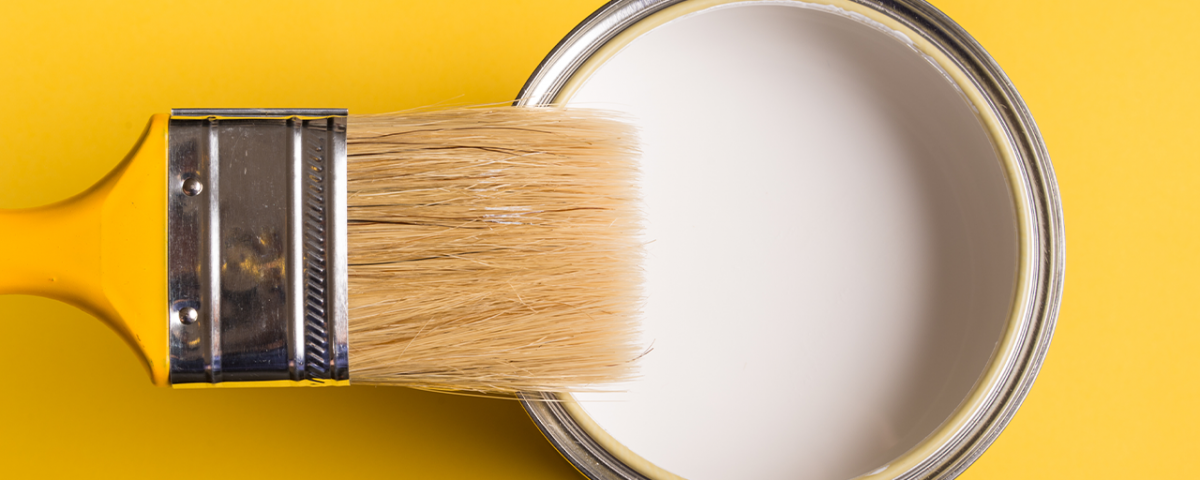
Sniffing paint enhances the effects due to the rapid absorption of chemicals into the bloodstream. This is often done by soaking a rag in paint or spray paint and inhaling the fumes directly. This method can lead to immediate sensations of muscle weakness, dizziness, and numbness throughout the body.
Getting into treatment is easy with our free insurance verification
"*" indicates required fields
What Does Huffing Paint Do to the Body and Mind?
While paint is a common substance for huffing, the side effects can be severe and varied. Signs of inhalant abuse include:
- Drowsiness and confusion
- A lingering smell of paint or chemicals
- Poor hygiene and reduced appetite
- Weight loss
The immediate effects of huffing can include:
- Stupor
- Tinnitus (ringing in the ears)
- Wheezing
- Swelling of the lips (edema)
- Muscle weakness
- Redness around the eyes
- Temporary hearing loss
Long-term use poses even greater risks, including irreversible brain damage. Chemicals like naphthalene and toluene are known to be neurotoxic, potentially leading to cognitive dysfunction, memory loss, and a significant decrease in IQ. The risk of coma or death due to cardiac arrest, asphyxiation, or accidents while impaired cannot be overstated. If you or someone you know is exhibiting signs of paint huffing, it is vital to seek professional help to prevent lasting harm.
At our drug and alcohol rehab in Cathedral City, CA, individuals dealing with addiction have access to partial hospitalization and a multidisciplinary team of treatment professionals.
Inhalant Abuse and Sudden Sniffing Death Syndrome
Inhalant abuse is a dangerous form of drug abuse that involves the intentional inhalation of chemical vapors to achieve a psychoactive effect. This type of substance abuse is particularly concerning due to the accessibility of inhalants, which are often found in household or commercial products such as aerosol sprays, spray paint, vegetable oil sprays, and even whipped cream dispensers. Young teens and older individuals alike may engage in inhalant use, often without fully understanding the severe health risks involved.
Inhalants affect the central nervous system by quickly entering the bloodstream through inhaling fumes, leading to mind-altering effects. The use of empty spray paint cans, solvent containers, and even plastic or paper bags to inhale these toxic chemicals is common among those abusing inhalants. Products like nitrous oxide, butane lighters, fabric protector sprays, dry cleaning fluids, and correction fluids are also misused for their volatile solvents and chemical odors.
One of the most alarming consequences of inhalant abuse is sudden sniffing death syndrome. This condition can occur after a single session of inhaling substances, particularly when high concentrations of toxic chemicals are involved. Sudden sniffing death is often a result of cardiac arrest or fatal heart failure, as these substances can severely affect blood vessels and heart function. The risk is heightened when inhalants are used in enclosed spaces, such as with a plastic bag over the head, which can lead to asphyxiation.
Symptoms of inhalant addiction and abuse include slurred speech, muscle weakness, impaired judgment, and in severe cases, coma or even death. The National Institute on Drug Abuse reports that in the past year, many individuals have suffered from the severe effects of inhalant misuse, with young teens being particularly vulnerable.
Healthcare providers play a crucial role in identifying and treating inhalant use disorder. It is vital for those who use inhalants or know someone who does to seek professional help. The National Institute on Drug Abuse emphasizes the importance of education and intervention to prevent the devastating effects of inhalant abuse. If you or someone you know is struggling with inhalant addiction, it is essential to contact a healthcare provider or addiction specialist for support and guidance.
Start Your Recovery at Banyan Treatment Centers
At Banyan Treatment Centers, we provide comprehensive and medically supervised detox programs tailored to individuals struggling with inhalant addiction. Our mental health services are designed to support those affected by the neurological impacts of huffing, as mental health issues often arise from brain damage caused by these substances.
We work closely with our clients to create personalized treatment plans that address both the physical and psychological aspects of addiction. Don’t wait—begin your recovery journey today to avoid the devastating effects of inhalant abuse.
If you're ready to address substance abuse, contact our residential treatment center in Castle Rock, CO to explore outpatient services and begin the path toward healing.
If you or a loved one is in need of help, contact a team member at Banyan by calling 888-280-4763. Ask about our intensive inpatient program and take the first step towards a healthier future!
Sources
- National Institute on Drug Abuse (NIDA). (n.d.). Inhalants | National Institute on Drug Abuse - NIDA - NIH.
- Journal of the American Academy of Child & Adolescent Psychiatry. (2004). Inhalant Abuse and Dependence Among Adolescents in the United States. DOI: 10.1097/00004583-200412000-00020
- Agency for Toxic Substances and Disease Registry (ATSDR). (2021). HEALTH EFFECTS - Toxicological Profile for Methylene Chloride.
- Human Psychopharmacology. (2008). Inhalant abuse among adolescents: neurobiological considerations. DOI: 10.1002/hup.948
- PMC (National Library of Medicine). (2023). The Effects of the Inhalant Toluene on Cognitive Function and Brain Activation. DOI: 10.3389/fnins.2023.1087001
- National Center for Biotechnology Information (NCBI). (2023). The Clinical Assessment and Treatment of Inhalant Abuse - PMC - NIH.
- National Center for Biotechnology Information (NCBI/PMC). (2020). Cardiovascular adaptations to particle inhalation exposure.
- Forensic Science, Medicine and Pathology. (2024). Investigating Confined Space Asphyxias: Plastic Bag Involvement ....
Wherever you are, we have you.
Not sure what level of care fits your needs? Our admissions team can help you understand your options confidentially.
Medical Disclaimer
Banyan Treatment Centers aims to improve the quality of life for people struggling with substance use or mental health disorders with fact-based content about the nature of behavioral health conditions, treatment options and their related outcomes. We publish material that is researched, cited, edited and reviewed by licensed medical professionals. The information we provide is not intended to be a substitute for professional medical advice, diagnosis or treatment. It should not be used in place of the advice of your physician or other qualified healthcare providers.