

The idea that alcohol kills brain cells has been a common belief for years. Given that long-term alcohol abuse can indeed lead to serious physical and cognitive impairments, it’s understandable why this myth persists. Alcohol exposure during critical developmental periods, such as pregnancy, can also have significant, lasting effects. But does alcohol truly kill brain cells?
Does Alcohol Kill Brain Cells?
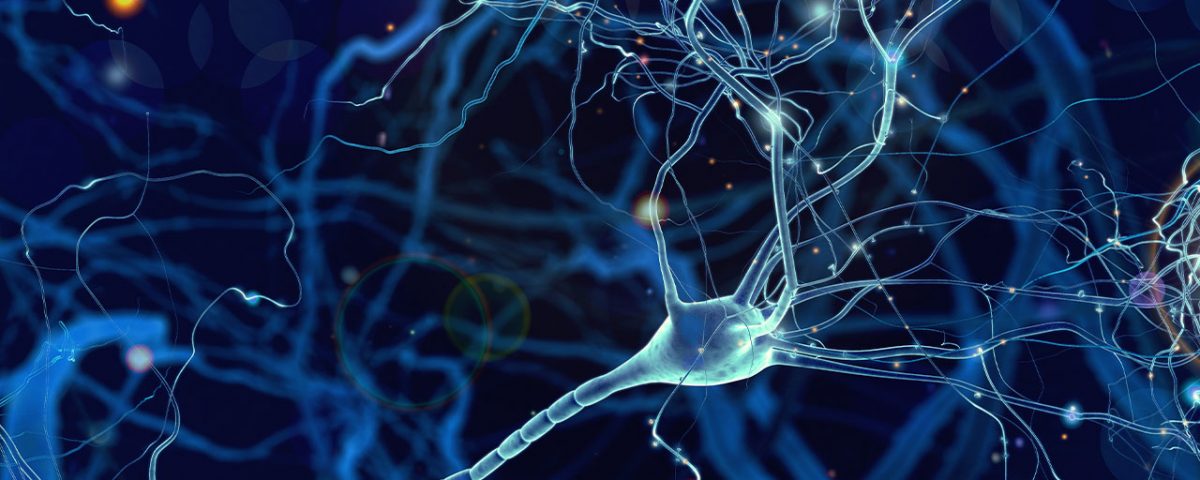
Brain cells, which include neurons and glial cells, are essential for various brain functions. Neurons, or nerve cells, are responsible for sending and receiving electrical and chemical signals. Glial cells, or neuroglia, support and protect neurons. Together, these cells enable us to think, move, speak, learn, breathe, and interact with the world.
Brain damage and injury, caused by factors such as hypoxia (lack of oxygen), poisoning, infections, neurological disorders, or trauma, can lead to cell loss and impaired function. However, research indicates that alcohol does not directly kill brain cells. Instead, alcohol primarily affects the brain's dendrites, particularly in the cerebellum—a region crucial for coordination and movement. Dendrites, which resemble tree branches, are where neurons receive signals from other cells.
The cerebellum is home to over half of the brain's neurons. Damage to this area, due to excessive drinking, can disrupt dendritic function, impair neural communication, and affect motor skills and other cognitive functions.
Getting into treatment is easy with our free insurance verification
"*" indicates required fields
How Alcohol Affects the Brain and Central Nervous System
While alcohol does not directly kill brain cells, its impact on the brain and central nervous system can be profound and multifaceted. Here's a closer look at how alcohol affects these critical areas:
1. Addiction
Alcohol can significantly alter brain structure and function. Chronic use leads to neuroplasticity—the brain's ability to rewire itself based on new experiences. While neuroplasticity is generally a positive attribute, it can also reinforce unhealthy behaviors, such as addiction. Here's how it unfolds:
Brain Rewiring
Long-term alcohol use can lead to structural changes in the brain, particularly in areas related to reward and impulse control. The brain's reward system becomes increasingly sensitive to alcohol, creating a cycle of cravings and consumption.
Altered Brain Chemistry
Chronic alcohol use affects neurotransmitter systems, including those involving dopamine and serotonin. These chemicals are crucial for mood regulation, pleasure, and reward, and their dysregulation can contribute to the development of addiction.
Compromised Decision-Making
Alcohol impairs the prefrontal cortex, which governs decision-making, self-control, and risk assessment. This impairment can make it challenging for individuals to recognize the negative consequences of their drinking behavior and to make healthier choices.
2. Cognitive Impairment
Chronic alcohol abuse can lead to a range of cognitive impairments, affecting various aspects of mental function:
Memory Loss
Alcohol interferes with the brain's ability to form new memories and retrieve old ones. This can lead to gaps in memory and difficulties with learning new information.
Executive Functioning
Functions such as planning, problem-solving, and impulse control can be severely impacted. This may result in poor decision-making and difficulty in managing daily tasks.
Attention and Concentration
Chronic alcohol use can reduce attention span and impair concentration, making it difficult for individuals to focus on tasks and process information effectively.
3. Brain Damage
While alcohol itself doesn't kill brain cells, its consumption can contribute to conditions that lead to brain damage:
Thiamine Deficiency
Chronic alcohol use often leads to a deficiency in thiamine (vitamin B1), which is vital for energy production in brain cells. This deficiency can disrupt brain function and contribute to neurological disorders.
Wernicke-Korsakoff Syndrome
Severe thiamine deficiency caused by alcohol abuse can result in Wernicke-Korsakoff syndrome, characterized by symptoms such as severe memory loss, confusion, and impaired motor coordination. This syndrome results in brain cell damage due to thiamine deficiency exacerbated by alcohol.
4. Neurological Disorders
Alcohol abuse is linked to several neurological disorders beyond Wernicke-Korsakoff syndrome:
Alcohol-Related Dementia
Prolonged alcohol use can lead to alcohol-related dementia, which involves a decline in cognitive abilities, including memory, problem-solving, and reasoning skills. This condition can mirror symptoms of other types of dementia.
Peripheral Neuropathy
Chronic alcohol consumption can damage the peripheral nervous system, leading to symptoms like numbness, tingling, and pain in the extremities. This condition can affect coordination and balance.
5. Mental Health Impact
The effects of alcohol on mental health are also significant:
Depression and Anxiety
Alcohol use can exacerbate symptoms of depression and anxiety. While individuals might initially use alcohol to self-medicate, it can worsen mental health conditions over time.
Psychosis
In extreme cases, chronic alcohol use can lead to alcohol-induced psychosis, characterized by hallucinations and delusions.
Alcohol-Related Brain Damage and Brain Atrophy
Alcohol-related brain damage is a serious consequence of excessive alcohol consumption that affects the brain's communication pathways and overall brain health. Binge drinking, which often involves consuming four or more drinks for women and five or more drinks for men in a short period, significantly increases the risk of brain damage. Heavy drinking and alcohol use disorder can lead to permanent brain damage, affecting various brain regions and the brain's ability to process information.
Research conducted by the National Institute on Alcohol Abuse and Alcoholism highlights how alcohol's effects can disrupt brain structure and function. Chronic alcohol use impairs judgment, leads to cognitive deficits, and can cause memory loss. Alcohol consumption, particularly during critical developmental periods such as prenatal alcohol exposure, can have lasting effects on the developing brain. Even moderate drinking can have negative outcomes, as alcohol interferes with the blood-brain barrier and can lead to brain atrophy over time.
The effects of alcohol on the brain are multifaceted, impacting the brain's circuits and basic life support functions. Alcohol poisoning and overdose can lead to severe damage, while long-term alcohol abuse may result in conditions like Wernicke-Korsakoff syndrome, also known as "wet brain." This condition is characterized by significant memory loss and cognitive decline.
Alcohol research indicates that moderate drinkers may experience some health benefits, but the risks of too much alcohol outweigh the potential positives. High blood pressure, behavioral problems, and a weakened immune system are common among those who drink excessively. The body's ability to function optimally is compromised, and the risk of alcohol-related brain damage increases with continued alcohol use.
To protect brain health and prevent brain atrophy, it is crucial to stop drinking or significantly reduce alcohol intake. Addiction medicine offers various treatments to help individuals overcome alcohol abuse and alcoholism. By addressing alcohol use disorders and promoting healthier lifestyle choices, individuals can reduce the risk of permanent brain damage and improve overall well-being.
Start You Alcohol Sobriety Journey Today
Although alcohol doesn’t directly kill brain cells, it can cause various mental and physical health problems, including liver disease, dementia, and cardiovascular issues. If you’re struggling with alcohol use or have noticed escalating problems with drinking, seeking help is crucial.
The longer you wait to address alcohol use, the higher the risk of permanent damage. Fortunately, effective treatments are available. At Banyan Treatment Centers, we offer comprehensive alcohol treatment, including personalized detox programs to support patients through withdrawal. Our approach integrates both physical and psychological therapies, addressing the root causes of addiction and providing support for a successful recovery.
Sobriety is achievable with the right support. If you're ready to change your life, contact Banyan Treatment Centers at 888-280-4763. Our team of specialists is here to help you start your journey to recovery.
Wherever you are, we have you.
Not sure what level of care fits your needs? Our admissions team can help you understand your options confidentially.