

How Is Anxiety Treated in Addiction Recovery?
Treating anxiety in recovery requires specific clinical care, the most common anxiety medications are highly addictive and contraindicated in people with SUD. This guide explains what safe, evidence-based anxiety treatment looks like for people in addiction recovery.
Medically Reviewed by:
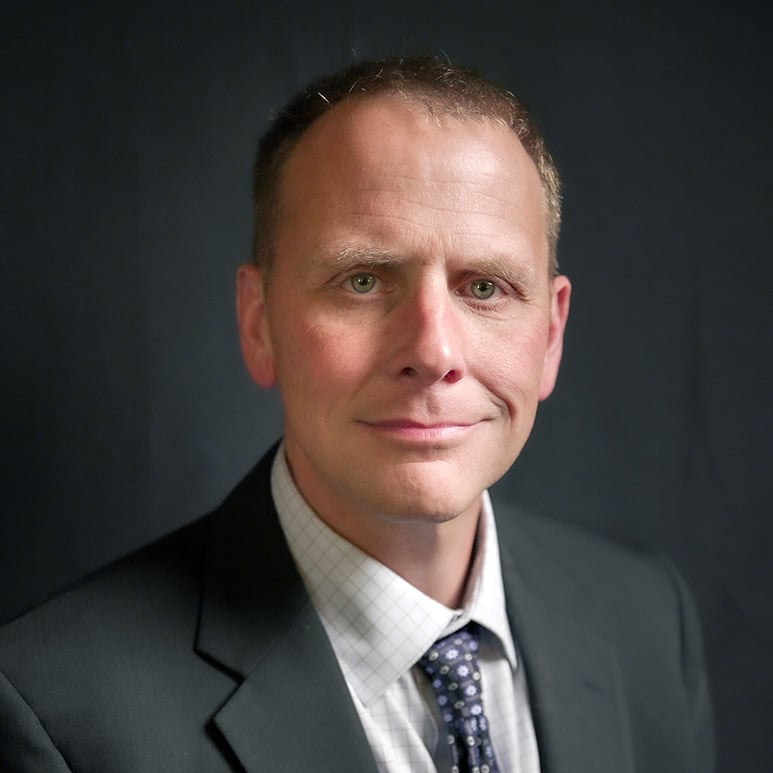
Dr. Darrin Mangiacarne
Chief Medical Officer
At Banyan Treatment Centers, Chief Medical Officer Dr. Darrin Mangiacarne leads our nationwide clinical team with over a decade of addiction medicine experience, helping ensure evidence-based, compassionate care across every level of treatment.
Author / Written by: Banyan Editorial Staff
Medically reviewed by: Dr. Darrin Mangiacarne, CMO
Updated on: June 2026
Family Resources Hub › Mental Health Resources › Treating Anxiety in Recovery
Treating Anxiety in Recovery and Why It Requires Careful Management
Treating anxiety in the context of addiction recovery presents specific clinical challenges that don't exist when treating either condition alone. The most effective pharmacological treatments for anxiety, benzodiazepines, are themselves highly addictive, contraindicated for people with Substance Use Disorder, and dangerous to prescribe to someone in early recovery. This creates a clinical situation that requires thoughtful management and a broader toolkit than anxiety treatment alone typically uses.
The good news is that multiple effective, non-addictive treatment options exist for anxiety disorders, and many are at least as effective as benzodiazepines for long-term anxiety management, without the addiction risk. Integrated dual diagnosis programs are staffed to navigate this complexity.
Anxiety in Recovery? Our Team Knows How to Treat Both Safely.
Banyan's psychiatric team specializes in treating anxiety alongside addiction — including medication management that's appropriate for recovery.
855-722-6926Free & confidential · Available 24/7 · No commitment required
Evidence-Based Anxiety Treatments Safe for People in Recovery
SSRIs and SNRIs
Selective serotonin reuptake inhibitors (like sertraline, escitalopram) and SNRIs (like venlafaxine, duloxetine) are first-line pharmacological treatments for most anxiety disorders. They are non-addictive, do not produce tolerance or dependence, and are considered safe for people in addiction recovery. They take 4–6 weeks to reach full therapeutic effect.
Buspirone
Buspirone (BuSpar) is a non-benzodiazepine anxiolytic that works through serotonin receptors. It is non-addictive, does not produce sedation or tolerance, and is often used specifically for generalized anxiety disorder in people who cannot take benzodiazepines. It takes 2–4 weeks to become effective.
Cognitive Behavioral Therapy (CBT)
CBT for anxiety is among the most well-researched treatments in all of psychiatry, with effect sizes comparable to medication for many anxiety disorders. CBT directly targets the cognitive distortions and avoidance behaviors that maintain anxiety, building durable coping skills rather than simply suppressing symptoms.
Exposure Therapy
A specific form of CBT in which the person is gradually exposed to anxiety-provoking stimuli in a controlled, safe way, building tolerance and reducing avoidance. Particularly effective for phobias, panic disorder, social anxiety, and PTSD. Works by retraining the brain's threat-response system.
Mindfulness-Based Interventions
Mindfulness-Based Cognitive Therapy (MBCT) and Mindfulness-Based Stress Reduction (MBSR) have strong evidence for anxiety reduction. Teaching patients to observe anxious thoughts without reacting to them reduces the power of those thoughts and builds sustainable self-regulation capacity that also supports recovery.
Lifestyle Supports
Regular aerobic exercise has demonstrated efficacy for anxiety reduction comparable to medication in several studies. Sleep hygiene, caffeine reduction, and stress management practices all contribute meaningfully to anxiety management in recovery — and are integrated into holistic dual diagnosis programs.
Speak With an Admissions Specialist
Fill out the form below and a member of our team will reach out within one business hour — confidentially and without pressure.
Related Guides
Depression & Addiction
How depression and anxiety often co-occur alongside substance use.
Read the guide →What Is Dual Diagnosis?
Why anxiety disorders and addiction require integrated treatment.
Read the guide →Warning Signs of Relapse
How anxiety manifests as relapse warning signs in early recovery.
Read the guide →What Does Long-Term Recovery Look Like?
Managing anxiety across the long arc of recovery.
Read the guide →Additional Resources
Tools, community, and organizations to support your family's journey.
Crisis & Hotlines
Immediate help — national helplines and crisis resources for addiction and mental health emergencies.
View all crisis resources →Support Groups
Al-Anon, Nar-Anon, SMART Recovery Family & Friends, and peer groups for families.
Find a group near you →Blog & Articles
Clinician-authored articles, personal stories, and recovery news to keep families informed.
Read the Banyan blog →Insurance & Financing
Insurance verification, financing options, and navigating the cost of treatment.
Check your coverage →Downloadable Guides
Free PDFs on intervention, what to pack for treatment, and relapse prevention planning.
Free family addiction guide →About Banyan
Our clinical approach, accreditations, and the team behind Banyan's family-centered care model.
Meet our clinical team →