

Why Family Support Groups Matter in Addiction Recovery
When someone you love is struggling with addiction or working on recovery, it can feel like your family is the only one living through it. Many loved ones keep the situation private because they feel embarrassed, protective, angry, afraid, or unsure who will understand. Over time, secrecy can make an already painful experience feel even more isolating.
Medically Reviewed by:

Dr. Darrin Mangiacarne
Chief Medical Officer
At Banyan Treatment Centers, Chief Medical Officer Dr. Darrin Mangiacarne leads our nationwide clinical team with over a decade of addiction medicine experience, helping ensure evidence-based, compassionate care across every level of treatment.
Author / Written by: Banyan Editorial Staff
Medically reviewed by: Dr. Darrin Mangiacarne, CMO
Updated on: June 2026
Family support groups give loved ones a place to connect with people who understand the fear, confusion, hope, grief, and exhaustion that can come with addiction. These groups are not a replacement for treatment, therapy, legal advice, or emergency care. But they can help families learn, cope, set boundaries, and stop carrying everything alone.
SAMHSA's family therapy guidance explains that substance use disorders affect family members and that families can play an important role in recovery when they receive education and support.
Families Need Support Too
A loved one's treatment may be the most visible need, but family members often need care as well. Parents may feel responsible for every decision. Spouses may feel betrayed or afraid. Siblings may feel forgotten. Adult children may feel pulled back into old roles. Friends may want to help but not know what is useful.
Family members may need support with:
- Fear of relapse
- Anger or resentment
- Caregiver burnout
- Guilt about boundaries
- Confusion about enabling
- Sleep problems and chronic stress
- Grief over broken trust
- Worry about discharge planning
- Shame or isolation
- Uncertainty about treatment options
Support groups can help normalize these experiences without leaving people feeling hopeless. Hearing someone else describe a similar fear can reduce the sense that your family is uniquely broken.
Questions about our Facilities or Programs?
Our admissions coordinators are available 24/7 to answer any questions you may have as you consider whether treatment at Banyan is right for you or your loved one.
What Happens in a Family Support Group?
Each group is different. Some are peer-led. Some are clinician-led. Some follow a 12-step model. Others are skills-based, secular, faith-based, education-focused, or connected to treatment programs. Some meet in person, while others meet online.
NIAAA lists several resources for loved ones, including family therapy, Al-Anon, Alateen, and SMART Recovery Family and Friends. These options differ in structure and philosophy, so families may need to try more than one before finding a good fit.
In general, family support groups may include:
- Shared experiences
- Education about addiction and recovery
- Boundary discussions
- Coping tools
- Encouragement from other families
- Reflection on enabling and control
- Practical ideas for communication
- Space to speak without explaining every detail
You usually do not have to share during your first meeting. Many people listen first.
Support Groups Reduce Isolation
Isolation can make families feel trapped. When addiction becomes a family secret, loved ones may stop talking to friends, avoid social events, or pretend everything is fine. The person in recovery may be getting help, while the family continues to suffer quietly.
Support groups interrupt that silence. They give families a place to say, "This is hard," without being judged. They also help loved ones hear different perspectives from people at different stages of the recovery process.
Someone further along may show you that boundaries can become clearer. Someone newer may remind you how much you have already learned. Both kinds of connection matter.
Support Groups Help Families Learn Boundaries
One of the most common family questions is, "How do I help without enabling?" Support groups can help families explore that question in a practical way.
A group may help you see the difference between:
- Paying for treatment and repeatedly paying debts caused by substance use
- Offering transportation and giving unrestricted cash
- Encouraging honesty and interrogating every detail
- Setting a boundary and trying to control recovery
- Supporting change and protecting someone from all consequences
These distinctions are not always easy. Families often make decisions while afraid. A support group can slow the process and help loved ones respond from a place of values rather than panic.
Support Groups Can Make Treatment Less Confusing
Treatment language can feel unfamiliar. Families may hear terms like detox, residential treatment, PHP, IOP, outpatient care, sober living, relapse prevention, aftercare, and medication-assisted treatment. A support group may not replace professional guidance, but it can help families become more comfortable asking questions.
Families who understand the basics of treatment and recovery may feel less powerless. They may know what to ask during discharge planning, what support options exist, and where their role begins and ends.
SAMHSA's advisory on family therapy notes that family involvement can support treatment engagement and recovery when handled appropriately. Support groups can be one way families prepare for healthier involvement.
Support Groups Are Not the Same as Therapy
Family support groups can be very helpful, but they are not the same as therapy. NIAAA notes that mutual-support groups can reinforce professional treatment and provide social support, but they are usually not run by professional clinicians, and some concerns require help from a trained health professional.
Families may need therapy or professional support if there is trauma, domestic violence, severe anxiety, depression, child safety concerns, suicidal thoughts, or an ongoing crisis. In those situations, a support group can still be part of the support system, but it should not be the only resource.
Types of Support Families May Consider
Families may explore:
- Al-Anon
- Nar-Anon
- Alateen for younger family members
- SMART Recovery Family and Friends
- Family education groups through treatment centers
- Peer groups for loved ones
- Faith-based recovery family groups
- Individual therapy
- Family therapy
- Grief, trauma, or caregiver support groups
The best choice depends on the family's needs, beliefs, schedule, comfort level, and safety concerns. It is okay to try a group and decide it is not the right fit.
How to Choose a Family Support Group
When choosing a group, ask:
- Is this group for family members and loved ones?
- Is it peer-led or clinician-led?
- Does it meet online, in person, or both?
- Does the group encourage healthy boundaries?
- Does the tone feel supportive rather than shaming?
- Does the approach match my beliefs and needs?
- Are younger family members welcome if needed?
- Do I feel safe listening or sharing here?
A good group should not pressure you into unsafe decisions. It should help you feel supported, informed, and less alone.
Getting into treatment is easy with our free insurance verification
"*" indicates required fields
How Banyan Connects Families With Support
When a loved one enters treatment at Banyan Treatment Centers, recovery support is not limited to the individual receiving care. Families also have access to resources designed to help them better understand addiction, recovery, communication, boundaries, and the challenges that often affect the entire family system.
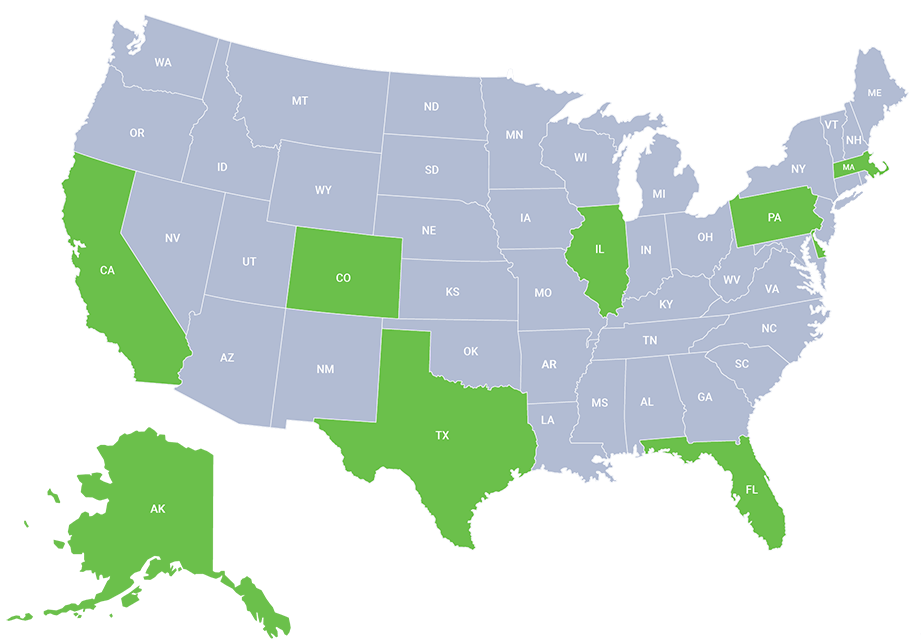
As part of Banyan's family support services, loved ones may be invited to participate in family support groups while their family member is in treatment and during the early stages of recovery. These groups provide a supportive environment where families can connect with others facing similar experiences, learn from recovery professionals, ask questions, and gain practical tools for navigating the recovery process.
Banyan's family support groups can help loved ones better understand topics such as relapse prevention, healthy boundaries, communication skills, enabling behaviors, discharge planning, and long-term recovery. Many families find comfort in knowing they are not alone and that other families have faced similar fears, frustrations, and uncertainties.
Depending on the location and program, Banyan may also offer virtual family support groups and online family meetings, making it easier for loved ones to stay involved regardless of where they live. These virtual options allow families to remain connected to the recovery process, receive ongoing education, and continue building a support network even when attending in person is not possible.
In addition to family support groups, Banyan's Family Resources Hub provides educational materials, family-focused guidance, referrals to community resources, and information about family therapy and recovery support services. Families are encouraged to speak with their loved one's treatment team to learn more about the family support opportunities available through their specific program.
Why Some Families Resist Support Groups
Many loved ones resist support groups at first. They may think, "I am not the one with the problem," or "I do not want strangers knowing our business." Others worry that a group will pressure them to cut off their loved one, stay in a painful situation, or accept advice that does not fit their family.
Those concerns are understandable. A support group should not take away your judgment. It should give you more perspective, more language, and more options. You can listen, take what is useful, and leave what does not fit. Trying one meeting does not commit you to a specific philosophy forever.
Support is especially important when one family member has become the default crisis responder. A group can remind that person that they are allowed to have limits, emotions, and a life outside of their loved one's recovery.
Online vs. In-Person Support Groups
Online groups can be helpful for families with transportation limitations, privacy concerns, unpredictable schedules, or limited local options. In-person groups may feel more personal and can help some people build a local community. Neither format is automatically better.
The best format is the one you can attend consistently and safely. Some families use both: online meetings during busy weeks and in-person meetings when they need a deeper connection.
Consistency matters more than choosing a perfect group on the first try. A regular place to speak honestly can become part of the family's own recovery routine.