

What Is Inpatient Rehab and What Does a Day Look Like?
For many families, "inpatient rehab" is a phrase they've heard but never fully understood. If you're wondering what inpatient rehab is like, you may have questions about what actually happens inside a residential treatment program. What does their loved one do all day? What can families expect when a loved one is entering treatment? This guide answers those questions with the specificity families actually need.
Medically Reviewed by:
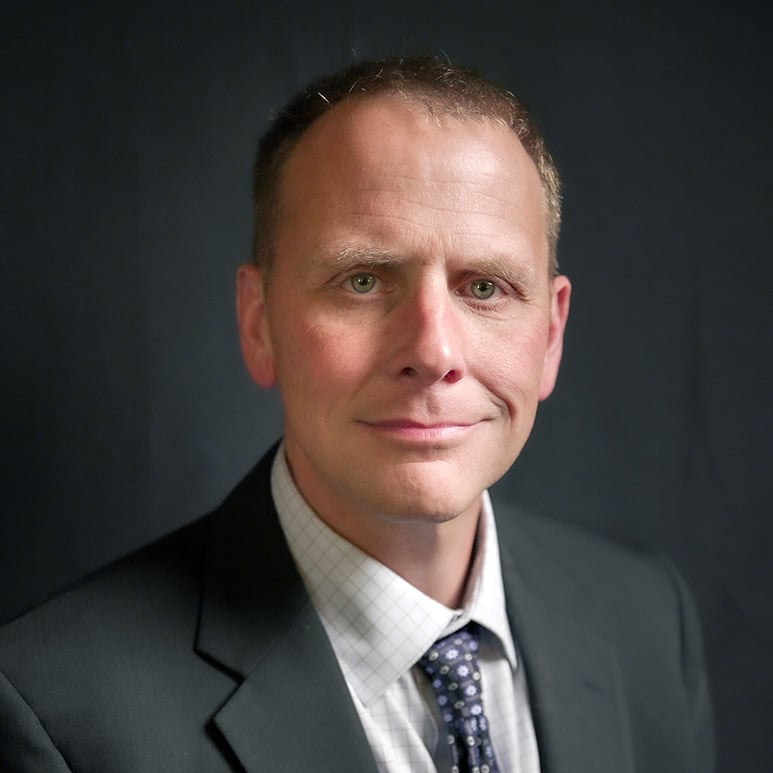
Dr. Darrin Mangiacarne
Chief Medical Officer
At Banyan Treatment Centers, Chief Medical Officer Dr. Darrin Mangiacarne leads our nationwide clinical team with over a decade of addiction medicine experience, helping ensure evidence-based, compassionate care across every level of treatment.
Author / Written by: Banyan Editorial Staff
Medically reviewed by: Dr. Darrin Mangiacarne, CMO Updated on: August 2026
What Inpatient Drug & Alcohol Rehab Actually Is
Inpatient rehabilitation, also called residential treatment, is a live-in inpatient program where a person stays at an inpatient treatment center for the duration of their program, typically 30 to 90 days or longer. It is the most intensive level of addiction treatment short of medical detox, providing a structured, supportive, and controlled environment removed from the people, places, and triggers associated with substance use.
Residential treatment programs are designed for people who need more than outpatient treatment or outpatient rehab can provide, including those whose:
Severity of Addiction
Drug addiction, alcohol addiction, or other substance use disorder is severe enough that outpatient care cannot provide the level of support required.
Home Environment
The home environment is not conducive to early recovery — whether due to triggers, access to substances, or relationships that reinforce use.
Prior Outpatient Attempts
Attempts at outpatient rehab programs or other forms of outpatient treatment were unsuccessful, and a more structured level of care is needed.
Co-Occurring Mental Health Conditions
Co-occurring mental health conditions or other mental health disorders require intensive daily support alongside addiction treatment.
For someone struggling with drug or alcohol addiction, this additional structure can provide an opportunity to focus more fully on treatment.
Questions About Residential Treatment? Call Us.
Our admissions team can walk you through what residential treatment looks like at Banyan, answer your questions about the daily schedule, and help determine whether this is the right level of care.
855-722-6926Free & confidential · Available 24/7 · No commitment required
What Your Loved One's Day Looks Like in Residential Treatment
Structure is a central feature of residential treatment. Throughout the treatment process, days are intentionally organized around therapeutic activities, meals, wellness, and peer community, replacing the chaos and unpredictability of addiction with routine, accountability, and skill-building. While daily schedules may vary by rehab facility, program, and treatment needs, the goal remains the same: to provide a structured environment.
This routine can provide consistency as patients move through the recovery process and develop skills they can use after treatment.
Morning
- Wake-up and morning routine — hygiene, making their bed, taking responsibility for their space
- Breakfast with peers in a communal setting
- Morning meditation, mindfulness, or reflection group
- Medication administration (for those on MAT or psychiatric medications)
- Psychoeducation group — learning about addiction, the brain, recovery skills
- Individual therapy sessions (typically several per week)
Afternoon
- Lunch
- Group therapy sessions — CBT, DBT, motivational interviewing, trauma-informed sessions
- Specialty groups — process groups, relapse prevention, anger management, grief
- Case management meetings — insurance coverage, discharge planning, and legal issues
- Recreation or fitness time — physical wellness is an integrated part of treatment
- Family therapy sessions (scheduled, typically weekly)
Evening
- Dinner with peers
- 12-Step or alternative peer support meeting (Alcoholics Anonymous (AA), NA, SMART Recovery)
- Evening reflection or check-in group
- Free time — reading, journaling, peer connection
- Lights out / structured quiet hours
Throughout the Program
- Regular meetings with the treatment team to assess progress and adjust the treatment plan based on individual needs
- Psychiatric evaluation and ongoing medication management if needed
- Family involvement — education sessions, family therapy, visitation
- Discharge planning begins early — what comes after residential, whether a partial hospitalization program, outpatient care, or another appropriate level of treatment, is planned rather than improvised
- Random drug testing as a standard accountability measure
Evidence-Based Therapies Used in Residential Treatment
Quality residential rehab programs use evidence-based behavioral therapy and other therapeutic approaches to address addiction, substance abuse, and related behavioral patterns. Families comparing rehab centers can ask the treatment provider what specific therapies the program uses and what the evidence base is for each.
Cognitive Behavioral Therapy (CBT)
Helps individuals identify the thought patterns and beliefs that contribute to drug abuse, substance use, and addictive behaviors while developing practical strategies and new coping mechanisms for responding to triggers and changing these patterns. One of the most extensively researched therapies in drug addiction treatment. Skills learned in CBT are durable and can carry into daily life after treatment.
Dialectical Behavior Therapy (DBT)
Particularly effective for individuals with co-occurring disorders, emotional dysregulation, trauma, or self-harm behaviors. DBT teaches distress tolerance, emotional regulation, mindfulness, and interpersonal effectiveness — skills that are especially valuable in early recovery when emotional intensity is high.
Group Therapy
Group therapy and group counseling are central components of many residential treatment programs. Sharing experiences with peers who genuinely understand — without judgment — provides emotional support, reduces shame and isolation, builds accountability, and develops social skills that support recovery. Research shows group therapy can be as effective as individual therapy for substance use disorders.
Family Therapy
Addiction affects the whole family system, and research shows that family involvement in treatment improves outcomes for the person in recovery. Family sessions help repair damaged relationships, establish healthy communication, identify enabling patterns, and prepare family members to support recovery at home. These skills can also help create a healthier environment as the person works to maintain long-term sobriety after treatment.
Motivational Interviewing (MI)
A collaborative, person-centered approach that strengthens internal motivation for change. MI is particularly valuable in the early stages of treatment when ambivalence about recovery is high. Rather than confronting resistance, MI works with it, meeting the person where they are and helping them articulate their own reasons for change.
Trauma-Informed Care
The majority of people with substance use disorders have a history of trauma. Trauma-informed approaches — including EMDR, trauma-focused CBT, and trauma processing groups — recognize the relationship between trauma and addiction and address both simultaneously. Treating addiction without addressing underlying trauma significantly increases relapse risk.
What to Expect While Your Loved One Is in Residential Treatment
Limited Contact in Early Days
Most programs limit or restrict phone and visitation contact in the first week or two of residential treatment. This is intentional — it allows the person to focus fully on their own process without being pulled back into family dynamics before they have stabilized. It is not punishment. It is clinical practice.
Family Participation Is Expected and Valuable
Quality residential programs actively involve family members through education sessions, family therapy, and communication with case managers. Engage with these opportunities. Family participation is one of the strongest predictors of positive treatment outcomes and sustained recovery.
They May Seem Different — That's the Point
As inpatient care progresses, your loved one may begin to think, communicate, and process emotions differently. Old defensive patterns may shift. New ones may emerge. This is the work of recovery. It can feel disorienting at first, but it is a sign that treatment is working.
Speak With an Admissions Specialist
Fill out the form below and a member of our team will reach out within one business hour, confidentially and without pressure.
Additional Resources
Tools, community, and organizations to support your family's journey.
Crisis & Hotlines
Immediate help — national helplines and crisis resources for addiction and mental health emergencies.
View all crisis resources →Support Groups
Al-Anon, Nar-Anon, SMART Recovery Family & Friends, and peer groups for families.
Find a group near you →Blog & Articles
Clinician-authored articles, personal stories, and recovery news to keep families informed.
Read the Banyan blog →Insurance & Financing
Insurance verification, financing options, and navigating the cost of treatment.
Check your coverage →Downloadable Guides
Free PDFs on intervention, what to pack for treatment, and relapse prevention planning.
Free family addiction guide →About Banyan
Our clinical approach, accreditations, and the team behind Banyan's family-centered care model.
Meet our clinical team →