

Comprehensive Addiction and Mental Health Treatment in Connecticut
Connecticut Drug & Alcohol Treatment Centers
Substance abuse and mental health issues continue to be pressing concerns in Connecticut. Economic disparity, high healthcare costs, and limited access to residential substance abuse treatment services exacerbate these challenges, impacting thousands of residents. Addressing these issues requires targeted intervention, expanded medication-assisted treatment options, and comprehensive policy reforms to support individuals and communities in need.
★★★★★
4.8 Average Google Rating
Understanding Substance Abuse in Connecticut
Over the past decade, Connecticut has experienced a sharp increase in opioid-related overdoses, driven largely by fentanyl and prescription drug misuse. With one of the highest rates of opioid-related fatalities in the Northeast, the state continues to battle widespread substance abuse. Alcohol use disorder remains a prevalent issue, particularly among individuals aged 18 to 25, contributing to hospitalizations and DUI-related arrests.
Cocaine and methamphetamine use have also surged, particularly in urban areas where treatment centers often struggle to meet demand. Despite the legalization of marijuana for recreational use, it remains one of the most common substances cited among those entering addiction treatment facilities.
Connecticut Cities Most Affected by Substance Abuse
Several cities in Connecticut have been disproportionately affected by substance use disorders, including:
- Bridgeport – The state’s largest city, struggling with a significant opioid crisis and high rates of alcohol dependency.
- Hartford – A hotspot for heroin and prescription opioid abuse, with a rising presence of methamphetamine use.
- New Haven – Reports increasing numbers of synthetic opioid overdoses and persistent cocaine use.
- Waterbury – Faces substantial challenges with fentanyl-related fatalities and alcohol addiction.
- Stamford – Sees increasing rates of methamphetamine and opioid addiction cases.
- New London – Struggles with widespread alcohol and prescription drug misuse, especially among young adults.
Major Substances of Concern in Connecticut
Substance abuse patterns in Connecticut reflect several contributing factors, including prescription drug availability, economic instability, and gaps in mental health services. The most commonly abused substances include:
- Opioids (Fentanyl, Heroin, Prescription Painkillers) – The leading cause of overdose deaths.
- Alcohol – A significant contributor to emergency hospital visits and DUI offenses.
- Cocaine – Frequently abused in cities such as Hartford and New Haven.
- Methamphetamine – Increasingly found in urban centers like Bridgeport and Stamford.
- Marijuana – Despite legalization, excessive use among youth remains a concern.
Contributing Factors to Substance Use Disorders in Connecticut
Substance use disorders in Connecticut stem from a variety of social and economic factors, including:
- Economic Stress – Financial instability leads many individuals to use substances as a coping mechanism.
- Limited Affordable Healthcare – The high cost of addiction treatment and mental health services deters many from seeking help.
- History of Opioid Over prescription – Connecticut continues to combat the lingering effects of excessive opioid prescriptions.
- Generational Substance Abuse – Many families experience cycles of addiction, making recovery more difficult.
- Cultural Attitudes – Alcohol use is widely accepted, and stigma around seeking treatment remains a barrier.
Addressing Mental Health Challenges in Connecticut
Approximately 20% of Connecticut residents report experiencing symptoms of anxiety, depression, or other mental health conditions. However, access to treatment remains limited, especially in low-income communities.
Key mental health concerns in the state include:
- Depression and Anxiety – Impacting a significant portion of the population.
- Post-Traumatic Stress Disorder (PTSD) – Common among veterans and trauma survivors.
- Suicide Rates – Increasing, particularly among young adults.
- Severe Mental Illness in the Homeless Population – A major concern, as many lack access to proper care.
State initiatives such as Connecticut’s Behavioral Health Recovery Program aim to improve mental health support, but additional funding and community-based solutions are needed to close treatment gaps.
The Economic Toll of Addiction and Mental Health Issues
Addiction and mental health disorders place a significant financial burden on Connecticut. The state incurs billions in annual healthcare costs, lost productivity, and criminal justice system expenses. Estimates suggest that substance use disorders alone cost Connecticut around $5 billion per year.
Employers also report challenges related to absenteeism and reduced workplace efficiency among employees struggling with addiction or mental health issues. Strengthening workplace wellness programs and investing in treatment options can help mitigate these costs.
Supporting Connecticut’s Veterans
Connecticut is home to approximately 184,302 veterans, making up about 7.12% of the state's adult population. A significant portion of these veterans, around 56.81%, are aged 65 and over. Mental health challenges are prevalent, with over 1 in 10 veterans nationwide being diagnosed with a substance use disorder.
In Connecticut, the veteran suicide rate was recorded at 20.6 per 100,000 individuals in 2021, with 34 reported veteran suicides that year. Additionally, housing affordability remains a major issue, with approximately 28,910 Connecticut veterans living in homes with significant quality, crowding, or cost-related challenges. Addressing these concerns is vital to improving veterans' well-being and reducing homelessness, substance abuse, and suicide rates among this population.
Connecticut is home to a large veteran population, many of whom face unique challenges related to mental health and substance abuse. PTSD and substance dependence frequently co-occur, making reintegration into civilian life difficult. Unfortunately, stigma and a lack of specialized treatment programs create barriers to the recovery journey.
Programs such as VA-funded treatment options and peer support groups play an essential role in providing relief. Expanding these services and ensuring veterans have access to high-quality mental health care is crucial for long-term recovery.
Seeking Treatment for Addiction and Mental Health in Connecticut
Addressing substance abuse and mental health disorders in Connecticut requires a comprehensive and personalized approach. Effective treatment often combines medical, therapeutic, and holistic methods tailored to an individual's needs. These treatment options include:
Substance abuse and mental health issues can be effectively treated through a combination of medical, therapeutic, and holistic approaches. The most effective treatment plans often include:
- Medical Detox – A supervised process that helps individuals safely and medically monitor withdrawal management from substances while managing withdrawal symptoms.
- Residential Treatment – Provides 24-hour care in a structured environment, allowing individuals to focus on their recovery without outside distractions.
- Partial Hospitalization Programs (PHP) – Intensive treatment during the day while allowing patients to return home in the evenings, bridging the gap between residential and intensive outpatient treatment.
- Intensive Outpatient Programs (IOP) – A flexible addiction treatment program for individuals transitioning back to daily life while continuing therapy and support groups.
- Mental Health Therapy – Individual, group, and family counseling to address underlying mental health disorders such as depression, anxiety, and PTSD.
- Holistic Treatments – Incorporating yoga, meditation, fitness programs, and nutritional counseling to support overall well-being.
By integrating evidence-based medical treatments, therapeutic counseling, and holistic wellness programs, individuals can find sustainable recovery solutions. Prevention, education, and accessible care play crucial roles in ensuring long-term success in overcoming addiction and mental health challenges.
If you or someone you care about is facing challenges with addiction or mental health, Banyan Treatment Centers provides compassionate, expert care tailored to each individual's recovery journey.
Start Your Journey to Recovery
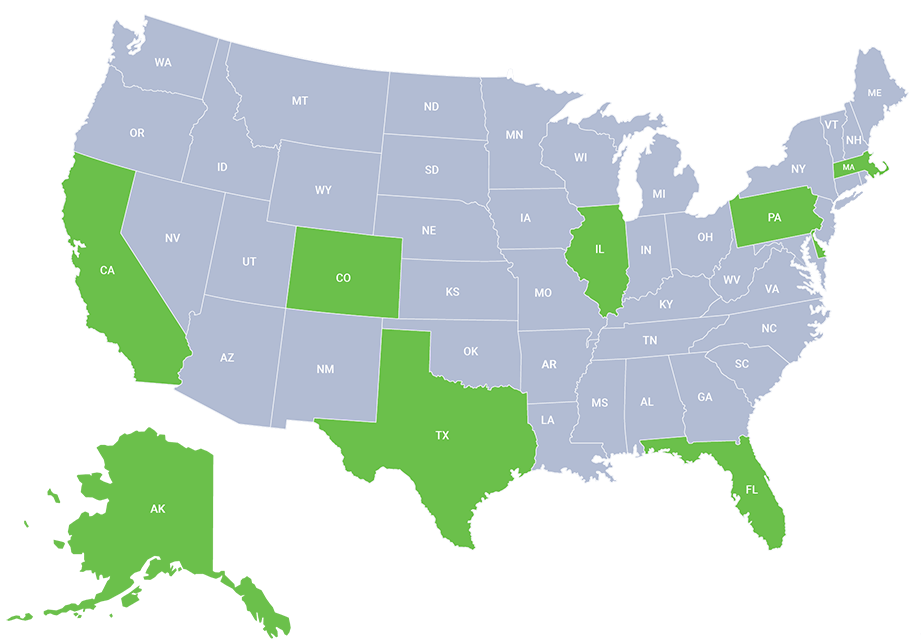
While Banyan Treatment Centers does not currently have a residential treatment facility in Connecticut, we offer treatment options in nearby states. Each of our facilities offers personalized medication management, addiction recovery, and evidence-based care to help individuals achieve long-term recovery and mental wellness.
Overcoming substance abuse and mental health challenges requires a strong support system. If you or someone you love is struggling, don’t wait to seek help. Reach out to Banyan Treatment Centers today and begin the journey to a healthier, more fulfilling life.
Banyan Treatment Centers Facilities Nearby

Banyan Delaware
Located in Milford, DE
Substance Use Inpatient
Substance Use Outpatient

Clearbrook Pennsylvania
Located in Gulf Breeze, FL
Substance Use Inpatient
Substance Use Outpatient
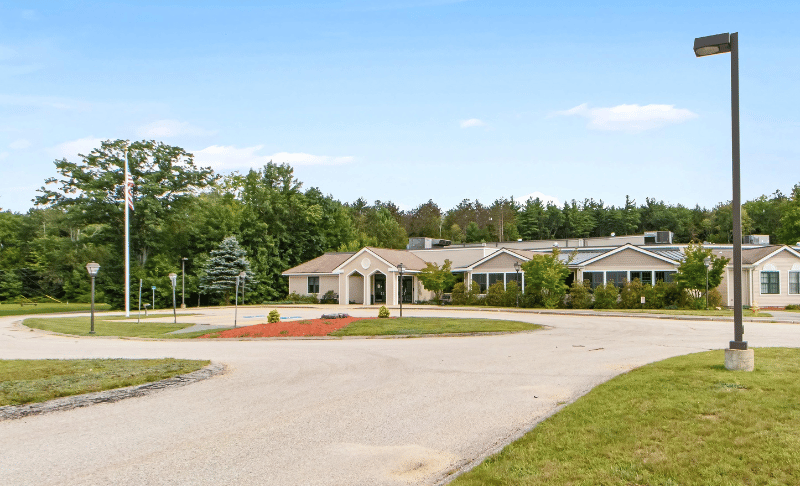
Clearbrook Massachusetts
Located in Baldwinville, MA
Substance Use Inpatient
Mental Health Outpatient
Connecticut faces significant substance abuse challenges with a variety of widely misused drugs. Key substances include alcohol, heroin, methamphetamine, cocaine, prescription medications, and marijuana. It's not uncommon for individuals to experiment with more than one of these substances simultaneously, contributing to complex patterns of abuse.