

What is Green Beer?
It’s that time of year again—time for St. Patty’s Day celebrations. For many alcoholics, the holiday may leave you feeling left out as friends celebrate the long-standing tradition of guzzling down green beer. Yes, you read that right: green beer. If you are wondering, “What is green beer?” We do not blame you. This drink is synonymous with St. Patrick’s Day, inspired by its theme color. However, as festive as this seems, we wanted to share more about how this drink is made, why it is extra dangerous to drink, and ways you can celebrate the holiday without alcohol.
The Origins of St. Patrick’s Day and Green Beer
Originally a religious observance honoring St. Patrick, the patron saint of Ireland, March 17th was traditionally celebrated with church services and family feasts. However, as Irish immigrants brought the holiday to America, it evolved into a broader celebration of Irish heritage, complete with parades, music, and revelry.
While modern St. Patrick’s Day celebrations often center around alcohol, this is more of an Americanized stereotype than a reflection of traditional Irish culture. Green beer, a drink many now associate with the holiday, epitomizes this shift from tradition to novelty.
How Do They Make Green Beer?
Historically, "green beer" was a term used by brewers to describe beer that was “too young” or not yet fully fermented. Today, however, green beer is a product of adding food coloring to pale beers.
The modern green beer we know, and love can be traced back to 1914 when Dr. Thomas H. Curtin, a New York physician, created it for a St. Patrick’s Day celebration at his clubhouse. By the 1950s, green beer became a nationwide trend, further cementing itself as a staple of American St. Patrick’s Day festivities. Ironically, the drink wasn’t introduced in Ireland until much later, as late as 1985.
Questions about our Facilities or Programs?
Our admissions coordinators are available 24/7 to answer any questions you may have as you consider whether treatment at Banyan is right for you or your loved one.
Is Drinking Green Beer Safe?
While green beer is festive, it’s not without its risks. Beyond the dangers of excessive alcohol consumption, the dyes used to create its signature hue pose health and environmental concerns.
Reactions to Food Coloring
Artificial food coloring has been linked to health concerns such as hyperactivity, allergic reactions, and tumor growth. While some manufacturers now use natural dyes, many still rely on synthetic ones.
Life-Threatening Food Dyes
Green beer may contain dyes like Blue #1 (Brilliant Blue), Green #3 (Fast Green), and Yellow #5 (Tartrazine), which are associated with health risks, including kidney tumors and behavioral issues. These additives, combined with alcohol, can pose a double threat to your health.
Problems with Bowel Movements
Food dyes are not easily absorbed by the body and may cause digestive discomfort. Excessive consumption of green beer can lead to water retention in the bowels, resulting in uncomfortable bowel movements.
Increased Likelihood of Overconsuming Alcohol
The festive appeal of green beer often encourages binge drinking, leading to risks such as impaired judgment, injuries, and alcohol poisoning.
Alternatives to Green Beer
Celebrating St. Patrick’s Day doesn’t have to involve green beer. Here are some festive and healthier options:
- Non-Alcoholic Drinks: Green mocktails, matcha lattes, or sparkling water with lime.
- DIY Natural Green Beverages: Make green-colored drinks using spinach, kale, or matcha powder. These options are festive and much healthier.
Healthier Ways to Celebrate St. Patrick’s Day
Consider these alternative ways to celebrate St. Patrick’s Day without alcohol:
- Attend a Parade: Enjoy the festive atmosphere without the need for a drink.
- Cook Irish-Inspired Dishes: Try making shepherd’s pie, soda bread, or colcannon.
- Host a Sober Party: Organize games, and trivia about Ireland, and play traditional Irish music.
- Participate in a Themed Run: Many cities host fun runs or walks on St. Patrick’s Day.
Navigating Social Pressure and Mental Health
Holidays like St. Patrick’s Day can sometimes bring social pressure to drink. Here are some tips for handling this:
- Have a Plan: Decide beforehand how you will respond if someone offers you a drink.
- Bring Your Own Beverage: Carry a non-alcoholic option to ensure you always have something festive in hand.
- Set Boundaries: It’s okay to say no and remove yourself from situations that make you uncomfortable.
Additionally, remember that turning to alcohol to cope with holiday stress isn’t a solution. Seek support if you’re feeling overwhelmed.
Environmental and Ethical Concerns About Green Beer
Artificial dyes used in green beer and single use plastic can also have environmental consequences. These synthetic chemicals and one time use plastics can pollute water sources and harm aquatic life. By choosing natural ingredients or supporting companies that prioritize sustainability, you can enjoy the holiday responsibly.
Getting into treatment is easy with our free insurance verification
"*" indicates required fields
Increased likelihood of overconsuming alcohol
Excessive drinking is common on holidays, in general, especially on St. Patrick’s Day. Not only does the holiday itself encourage bar hopping and heavy drinking, but specialty drinks like green beer also further encourage alcohol consumption. As a result, a major risk of green St. Patrick's Day beer is drinking too much.
Otherwise referred to as binge drinking, drinking an excessive amount of alcohol within a brief period can lead to various problems, including:
- Increased risk of injuries, such as car crashes, falls, drownings, and burns.
- Increased risk of violence, including homicide, suicide, sexual assault, and intimate partner violence.
- Risky sexual behaviors, including unprotected sex or sex with multiple partners, can result in unintended pregnancy or sexually transmitted diseases like HIV.
- Miscarriage, stillbirth, or fetal alcohol spectrum disorders (FASDs) in pregnant women.
Drinking too much alcohol can also lead to impaired judgment, heavy sedation, dizziness, difficulty concentrating, blackouts, and alcohol poisoning. With this in mind, we challenge you to enjoy a sober St. Patrick’s Day this year.
If you find that you struggle to control how much alcohol you drink, even when you tell yourself you are only going to have one, you might have a more severe problem. Our Banyan rehab locations offer numerous services that can support your recovery from alcohol abuse, including medical alcohol detox and aftercare support to encourage long-term abstinence.
Get Addiction Recovery Care Today
Now that you have a better idea of what green beer is, you’ll think twice before kicking back one too many on St. Patrick’s Day. If you find yourself unable to control your drinking, we are here to help.
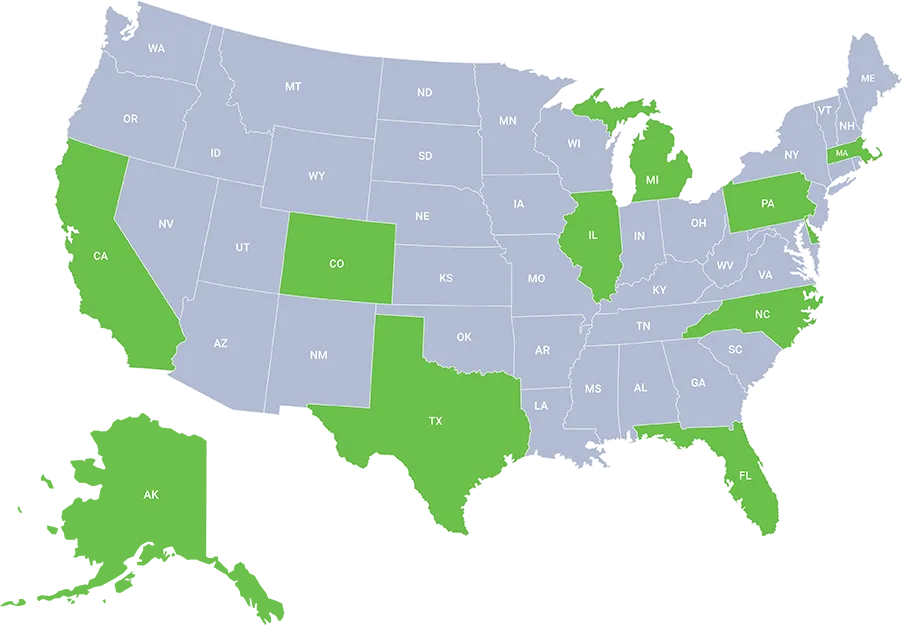
With numerous addiction treatment facilities across the nation, Banyan Treatment Centers are highly experienced and qualified to help you get sober. For more information about our alcohol addiction treatment and other services, call us at 888-280-4763 or send us your contact information, and we will reach out to you.
Source:
- The Courier - Green beer gimmick goes down smoothly in Ireland
Related Reading:
Wherever you are, we have you.
Not sure what level of care fits your needs? Our admissions team can help you understand your options confidentially.
Medical Disclaimer
Banyan Treatment Centers aims to improve the quality of life for people struggling with substance use or mental health disorders with fact-based content about the nature of behavioral health conditions, treatment options and their related outcomes. We publish material that is researched, cited, edited and reviewed by licensed medical professionals. The information we provide is not intended to be a substitute for professional medical advice, diagnosis or treatment. It should not be used in place of the advice of your physician or other qualified healthcare providers.