
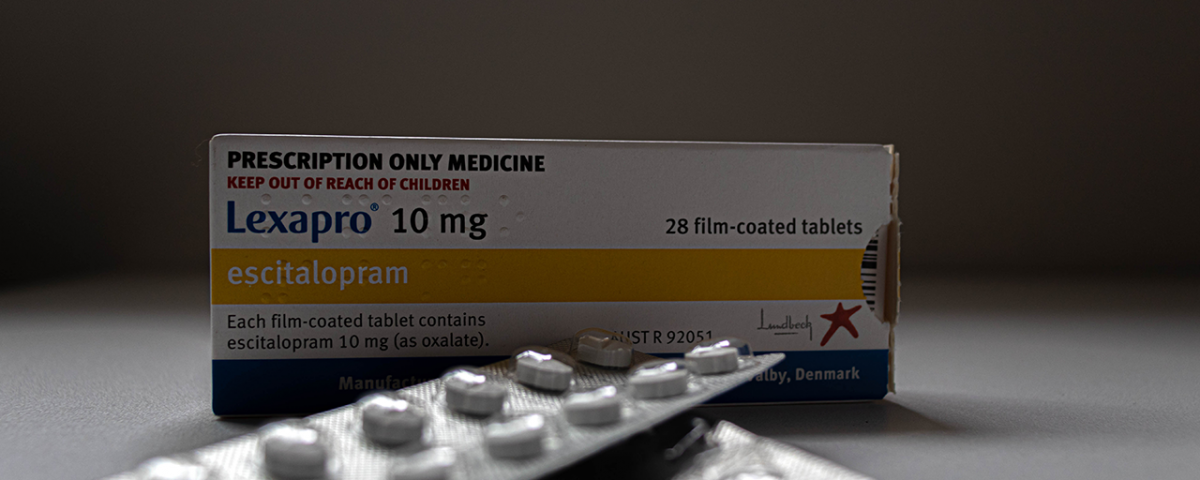
Lexapro (escitalopram) is an antidepressant that’s commonly prescribed to treat major depressive disorder (MDD) and generalized anxiety disorder (GAD). Although uncommon, an escitalopram overdose can occur, with consequences ranging from mild to fatal. Today, our Southern California rehab will discuss what happens if you overdose on escitalopram, what can cause it, and what to do when someone overdoses.
For those seeking help with substance abuse, our inpatient rehab facility in Boca Raton, FL provides residential treatment tailored to each individual's needs.
Questions about our Facilities or Programs?
Our admissions coordinators are available 24/7 to answer any questions you may have as you consider whether treatment at Banyan is right for you or your loved one.
Can You Overdose on Lexapro?
Lexapro is the brand name for the antidepressant escitalopram that belongs to the selective serotonin reuptake inhibitors (SSRIs) drug class. SSRIs are effective in treating depression for many, which is why they’re among the most commonly prescribed antidepressants in the country.
From its name, we can deduce that SSRIs interact with the neurotransmitter serotonin. Serotonin regulates mood, sleep, memory, appetite, and digestion, many functions that people with depression may struggle with.
Lexapro works by increasing the amount of serotonin in the brain, reducing symptoms of depression by improving the person’s mood. Although the medication is fairly safe when used as prescribed, it is possible to overdose on Lexapro.
A Lexapro overdose occurs when a person takes more than the recommended or prescribed dose of the medication. The recommended starting dose of Lexapro across all age groups is 10mg once daily.
The escitalopram overdose dosage ranges from 5 to 20 mg, as defined by the Food and Drug Administration (FDA). However, considering that the average starting dose for this medication is 10mg, the window for overdose is probably much wider.
During clinical trials of escitalopram overdose symptoms, overdose was reported after participants took up to 600 mg of Lexapro without any lethal effect.1 However, this can vary depending on various factors.
What Happens When You Overdose on Lexapro (Escitalopram)?
Overdosing on escitalopram is rare but possible. What happens if you overdose on escitalopram depends on how much of the drug you ingest, your weight, how long you’ve been taking the drug, and whether you took it with other substances.
Common Lexapro overdose symptoms include:
- Blurred vision
- Bradycardia (slow heart rate)
- Coma
- Confusion
- Convulsions
- Dilated pupils
- Dizziness
- Fever
- High blood pressure
- Insomnia
- Nausea and vomiting
- Serotonin syndrome
- Sinus tachycardia (fast heart rate)
- Somnolence (drowsiness)
Serotonin syndrome is a common side effect of SSRI overdose. Drugs in this class target serotonin, and when they’re taken in high doses, serotonin levels spike above the desired or healthy level.
If left untreated, serotonin syndrome can be fatal. Symptoms include agitation, insomnia, confusion, rapid heart rate, high blood pressure, loss of muscle coordination, and more.
Also, keep in mind that Lexapro overdose is more likely to occur when the drug is mixed with other substances, such as alcohol or other medications. Normally, patients mention other medications they’re taking to doctors to ensure no interactions occur. However, some people mix antidepressants with drugs like alcohol on purpose to become intoxicated. This is dangerous and can lead to a potentially fatal overdose. Be sure to take prescription medication as prescribed.
If you recognize escitalopram overdose symptoms in yourself or a loved one, call 9-1-1 immediately.
For individuals in the Cathedral City area seeking support, our inpatient rehab facility in Cathedral City, CA offers inpatient rehab programs, including partial hospitalization designed to address substance abuse.
Getting into treatment is easy with our free insurance verification
"*" indicates required fields
How Do You Heal From an Overdose on Lexapro?
Dealing with an overdose on escitalopram, a commonly prescribed antidepressant, requires prompt and informed action. The first thing to do after overdosing is to call emergency services and get medical help right away. Both emergency personnel and medical specialists are qualified to determine the extent of the overdose and administer the proper care. To guarantee appropriate and successful medical action, it is imperative to communicate any pertinent information regarding the quantity of Lexapro consumed, along with any other medications taken concurrently.
After overdosing on Lexapro, treatment in a medical environment usually consists of supportive care to control symptoms. This could involve taking steps to help absorb the extra medicine and stop it from being absorbed further into the bloodstream, including administering activated charcoal. It's also critical to monitor vital signs like blood pressure and heart rate. Additional procedures, such as stomach pumping or gastric lavage, may be explored in extreme cases where symptoms pose a life-threatening risk. However, these treatments are often saved for dire circumstances, and medical practitioners decide whether to use them individually for each patient.
The individual's recovery after an overdose depends on the care they receive. Support for mental health comes first after medical care. To address the underlying problems that led to the escitalopram overdose, it could be recommended to continue therapy or counseling, like that found at our California rehabs. Additionally, the afflicted individual should be closely monitored for any signs of declining mental health. It is imperative that the patient and people who are close to them are aware of potential side effects, such as serotonin syndrome, and that they seek medical attention as soon as any concerning symptoms manifest.
Help for Lexapro Abuse
While antidepressants aren’t addictive in the same way that opioids or stimulants are, physical dependence can develop if these drugs are misused for long periods. An individual’s physical and mental health, as well as their relationships, finances, and jobs, can also suffer.
If you recognize signs of antidepressant abuse in yourself or a loved one, our Palm Springs rehab can help. Our facility offers detox in California that slowly weans clients off of drugs under the 24-hour care and supervision of our medical team.
To learn more about treatment options for substance abuse, contact the professionals at our inpatient rehab facility in Castle Rock, CO and take the first step toward a healthier life.
We also offer prescription drug addiction treatment that incorporates psychotherapy programs and family counseling to aid patients in both their mental and physical recovery. For more information about our addiction treatment services, call Banyan Treatment Centers Palm Springs today at 888-280-4763.
Source:
Sources
- National Center for Biotechnology Information (NCBI), National Library of Medicine (NLM). (None). Morphine - LiverTox - NCBI Bookshelf.
- U.S. Food and Drug Administration. (2009). Lexapro (escitalopram oxalate) Tablets/Oral Solution NDA 21-323s032,021365s023lbl.
- Centers for Disease Control and Prevention (CDC), National Center for Health Statistics. (2018). Antidepressant Use Among Adults: United States, 2015-2018.
- NCBI Bookshelf (National Center for Biotechnology Information). (2023). Physiology, Serotonin - StatPearls.
- NCBI Bookshelf. (2023). Physiology, Muscle Contraction - StatPearls - NCBI Bookshelf.
- U.S. Food and Drug Administration. (2024). Lexapro (escitalopram oxalate) tablets, for oral use.
- Substance Abuse and Rehabilitation. (2019). Effects of social support and 12-Step involvement on recovery from cocaine dependence during continuing care. DOI: 10.2147/SAR.S211212
- National Institutes of Health (NIH). (2025). Physiological Mechanisms Vulnerable to Alcohol-Induced Cardiac Arrhythmias.
- NCBI Bookshelf. (2023). Escitalopram - StatPearls - NCBI Bookshelf.
- PMC (PubMed Central). (2022). Recognizing skin conditions in patients with cirrhosis.
- NCBI Bookshelf / StatPearls. (2024). Serotonin Syndrome - StatPearls - NCBI Bookshelf.
- National Institutes of Health / PubMed Central. (2016). Neurobiology of addiction: a neurocircuitry analysis.
- NCBI Bookshelf - StatPearls. (2023). Amphetamine - StatPearls - NCBI Bookshelf.
- National Institute on Drug Abuse (NIDA). (2023). Cocaine DrugFacts.
- The BMJ. (2004). Olfactory detection of human bladder cancer by dogs - PMC.
- Psychopharmacology. (2022). Estimating Risk of Antidepressant Withdrawal from a Review of Published Cases.
Wherever you are, we have you.
Not sure what level of care fits your needs? Our admissions team can help you understand your options confidentially.
Medical Disclaimer
Banyan Treatment Centers aims to improve the quality of life for people struggling with substance use or mental health disorders with fact-based content about the nature of behavioral health conditions, treatment options and their related outcomes. We publish material that is researched, cited, edited and reviewed by licensed medical professionals. The information we provide is not intended to be a substitute for professional medical advice, diagnosis or treatment. It should not be used in place of the advice of your physician or other qualified healthcare providers.