
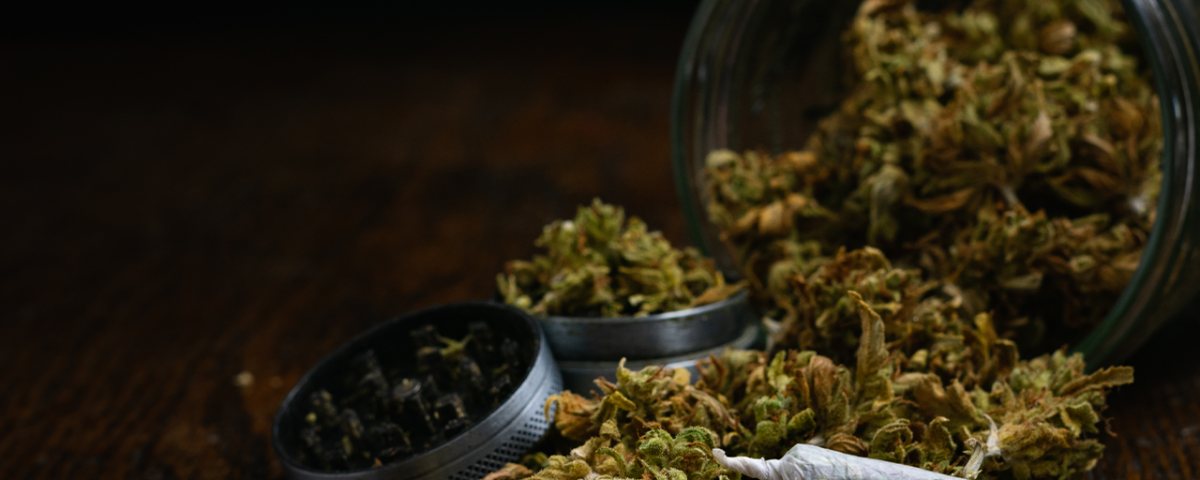
Cannabinoids with the ability to produce psychoactive effects have recently gained popularity. With advancements in drug-related technology – such as vapes and e-cigarettes – the use of THC-related products has become a norm. Among these compounds is THC-O, which is reportedly among the most potent cannabinoids out there. Due to its potency, its potential for abuse, and lack of research, many have concerns about THC-O effects and risks.
Understanding cannabis use disorder is the first step — our drug rehab center in Boca Raton, FL offers marijuana dependency programs to help individuals begin their recovery journey.
Questions about our Facilities or Programs?
Our admissions coordinators are available 24/7 to answer any questions you may have as you consider whether treatment at Banyan is right for you or your loved one.
What Is THC-O?
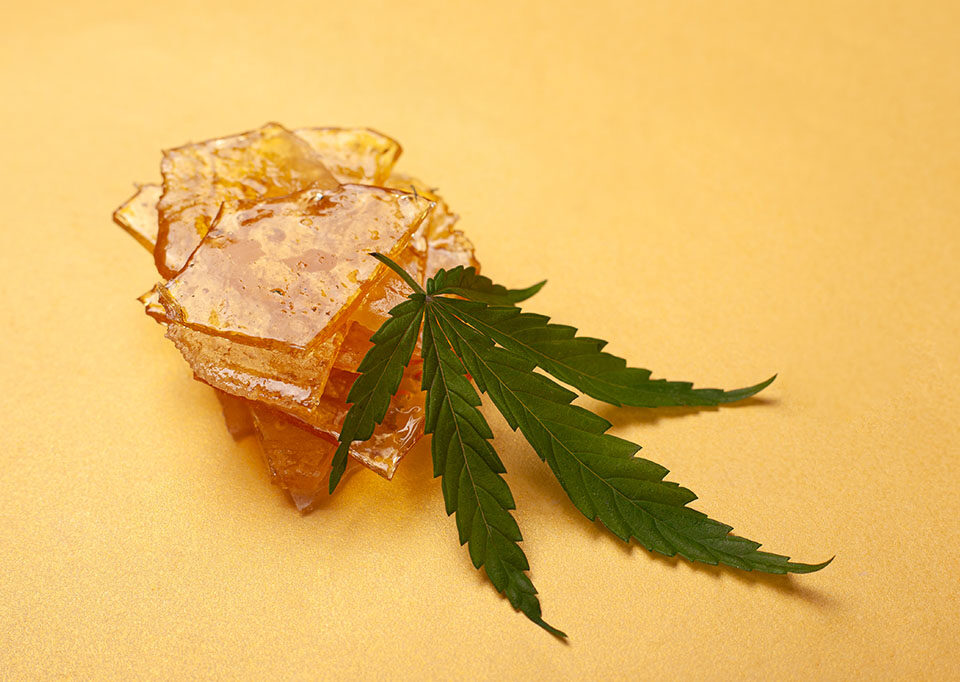
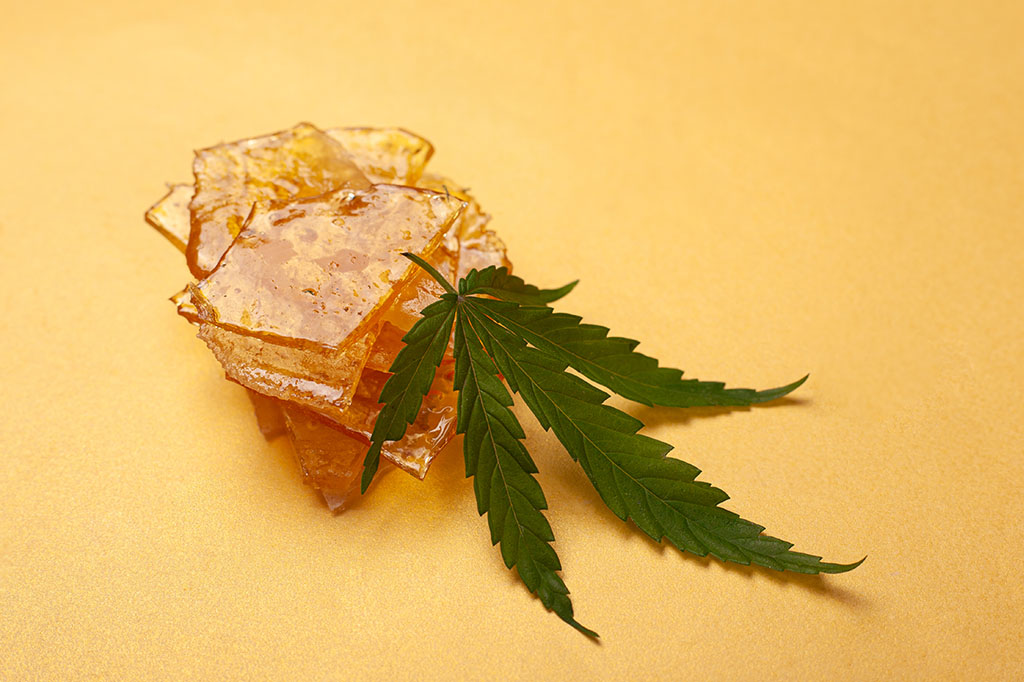
THC-O refers to Tetrahydrocannabinol, which is a non-natural or synthetic cannabinoid. Also known as THC-O-acetate, this cannabinoid is not derived from hemp the same way that products like CBD and CBN are. This means that THC-O cannot be found in plants or grown, making it a synthetic substance that has to be created.
THC-O is synthesized using acetic anhydride. This is a highly flammable, colorless liquid that’s often used in pharmaceuticals, dyes, fibers, plastics, and explosives. Because of the chemicals involved in the process of making THC-O, production requires specialized equipment.
The process begins by extracting delta-8 THC from hemp and mixing acetic anhydride with Delta-8 molecules to make THC-O. But is THC-O stronger than THC? While research is limited, considering the substances it’s derived from, it’s predicted that THC-O is three times more potent than THC.
Based on the experiences of users, THC-O effects seem to be stronger than other cannabinoids, such as marijuana. It’s also been said that side effects of THC-O tend to have a more spiritual tone, which can make them even more distressing.
In terms of legality, THC-O was indirectly legalized by former President Trump in 2018, along with the production and sale of hemp on a federal level when he signed the Farm Bill. This bill separated hemp and low-concentration derivatives from marijuana as it’s defined in the Controlled Substances Act (CSA). As a result, cannabis products that contain no more than 0.3% of THC can be legally sold, transported, and possessed.
But when it comes to THC-O’s legality, the answer isn’t as clear. While this drug is derived from a naturally occurring hemp compound (Delta-8), THC-O also contains synthetic elements. The same 2018 Farm Bill declared that a synthetically derived tetrahydrocannabinol is to remain classified as a Schedule I substance.
Schedule I drugs are substances with no accepted medical use and a high potential for abuse. What’s more, the Federal Analog Act also declared that chemicals that are “substantially similar” to an illegal drug should be treated as Schedule I drugs. In September 2021, the Drug Enforcement Administration (DEA) stated, “delta-8 THC synthetically produced from non-cannabis materials is controlled under the CSA as a tetrahydrocannabinol.”1
Following this logic, we can assume that THC-O would also be considered an illegal substance despite its concentrations of THC. Even so, it has yet to be listed as a Schedule I substance under the CSA, making its legal status questionable.
THC-O Psychedelic Effects
Because it’s a prodrug, THC-O effects aren’t noticeable until the chemical has been transformed in the body after use. Additionally, the drug can take up to 30 minutes to kick in.
While not much is known about THC-O, commonly reported THC-O side effects can include:
- Hallucinations
- Anxiety
- Dizziness
- Paranoia
- Sedation
- Vomiting
- Seizures
Public interest in THC-O has been growing in the U.S., mainly because the drug is sold in commonly used and accessible tools like vape cartridges, tinctures, and gummies. Like most cannabinoids, THC-O isn’t regulated and is manufactured without any standards.
Despite the many THC-O products that claim to be all-natural, synthetic chemicals are always used in production. This means that it’s difficult to know what chemicals are used in THC-O and how much is used, making the drug’s potency and impact on the body nearly impossible to predict.
Signs of THC-O Abuse
Substance abuse can be recognized through many signs and symptoms, as there’s no solitary warning sign that someone is abusing THC-O. Some of the most common symptoms of THC-O abuse include:
- Dry mouth
- Problems with balance and coordination
- Increased appetite
- Pervasive sleepiness
- Lethargy
- Bloodshot eyes
- Impaired motor functions
- Delayed reactions
- Continuing to abuse high THC-O even after experiencing negative outcomes
- Being deceptive or secretive about one’s whereabouts or activities
- Associating with a new friend group
- Prioritizing THC-O abuse over friends, family, and significant activities
- Multiple unexplained absences from work or school
- Diminished performance at work or in school
- Withdrawal from loved ones
- Having rolling papers, a water pipe, e-cigarettes, vape pens, or other items that are commonly used to abuse THC-O
- Impaired judgment
- Problems with memory
- Lack of concentration and/or focus
More serious side effects and signs of THC-O abuse include psychosis, which produces hallucinations, delusions, and other psychologically distressing symptoms. If you notice any of these signs in a loved one, it may be time for them to get help.
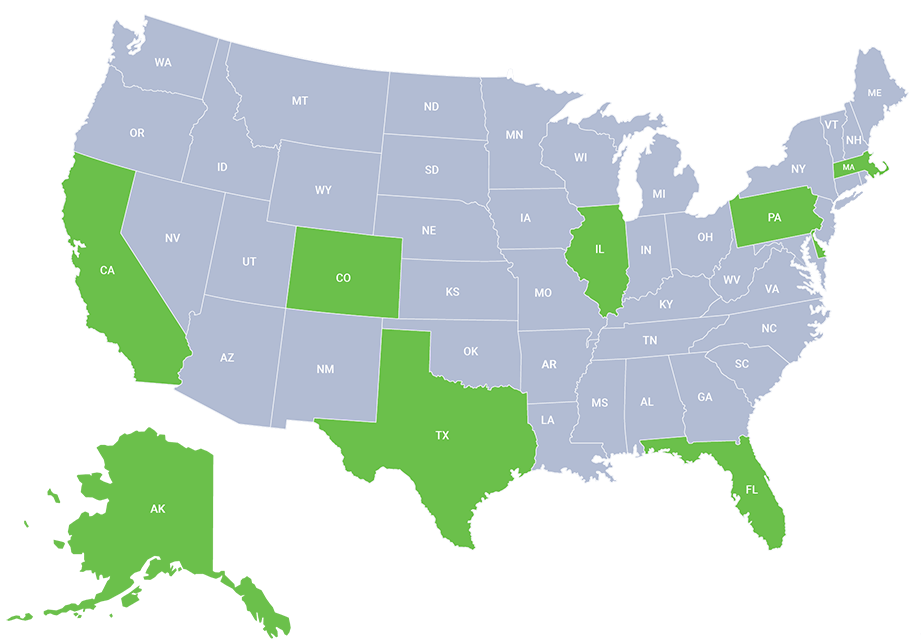
Our Massachusetts rehab offers various levels of addiction care and therapy programs that could aid in recovery from all kinds of drugs. You can reach out to us to learn more about our service and how we can help.
The connection between cannabis use disorder and long-term health underscores the importance of professional support, like the substance abuse treatment offered at our addiction treatment center in Cathedral City, CA.
Getting into treatment is easy with our free insurance verification
"*" indicates required fields
Get Help Today
It is possible to become dependent on THC-O, especially because it’s stronger than THC and Delta-8. In these cases, the longer a person uses the drug, the more they have to use it to experience the same effects. With so much unknown and the risk of building a tolerance, it’s best to avoid synthetic cannabinoids altogether.
Furthermore, these drugs are often sold on the streets and may contain various chemicals that are unknown to buyers. These unknown chemicals could be life-threatening or lead to intoxication or overdose, which could land the user in the emergency room.
If you or someone you know is abusing this drug, don’t wait to get help. Our drug rehab in Massachusetts offers different programs like PHP and IOP to cater to patients with different needs.
Taking the first step toward recovery is possible — reach out to our drug rehab center in Castle Rock, CO to learn about substance abuse treatment options that can make a difference.
Call Banyan Treatment Centers today at 888-280-4763 to learn more about our Boston addiction treatment and how it can help you.
Source:
- MJ Biz Daily - The Controlled Substances Act leaves a pathway for intoxicating hemp-derived cannabinoids
Related Reading:
Wherever you are, we have you.
Not sure what level of care fits your needs? Our admissions team can help you understand your options confidentially.
Medical Disclaimer
Banyan Treatment Centers aims to improve the quality of life for people struggling with substance use or mental health disorders with fact-based content about the nature of behavioral health conditions, treatment options and their related outcomes. We publish material that is researched, cited, edited and reviewed by licensed medical professionals. The information we provide is not intended to be a substitute for professional medical advice, diagnosis or treatment. It should not be used in place of the advice of your physician or other qualified healthcare providers.