
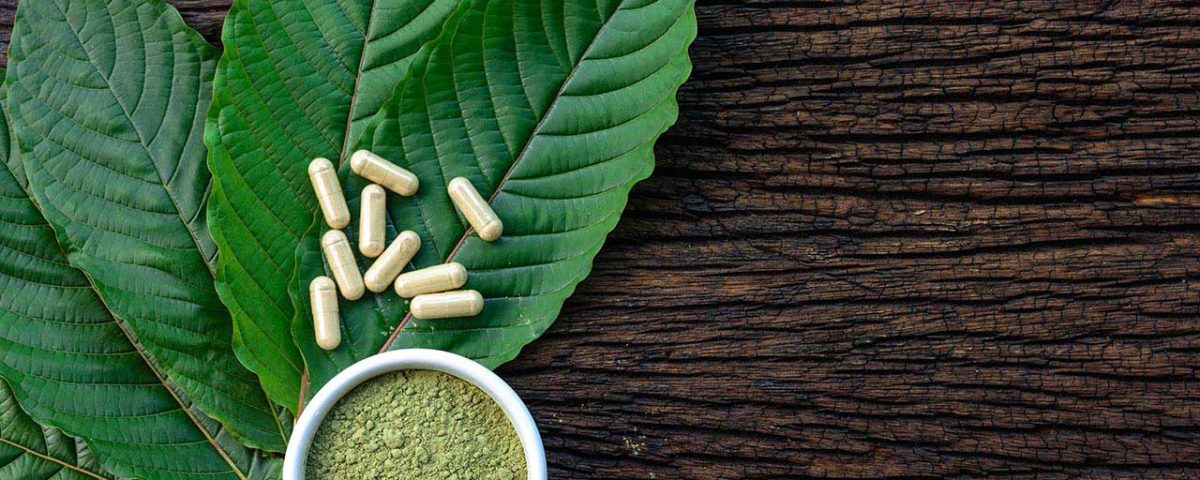
When someone is living with depression, the idea of quick relief can be hard to ignore. People may look for anything that seems to take the edge off low mood, fatigue, emotional numbness, or anxiety. Kratom is one of the substances some people turn to when they are trying to feel better without formal treatment.
Part of the appeal is that some kratom users report feeling calmer, more energized, or temporarily lifted after taking it. But temporary relief is not the same thing as treating depression. The research on kratom and mental health remains limited, and much of what is out there comes from self-reported experiences rather than high-quality clinical trials. At the same time, the FDA has not approved kratom for depression or anxiety and continues to warn consumers about serious safety concerns.
That matters because depression is rarely just about feeling sad. It can affect sleep, motivation, concentration, energy, relationships, and a person’s ability to function day to day. When kratom enters that picture, it may seem helpful at first, but it can also make mood symptoms harder to read and harder to manage over time.
Why Some People Try Kratom for Depression and Anxiety
People usually do not reach for kratom at random. Some are trying to cope with emotional pain. Others are dealing with chronic pain, fatigue, anxiety symptoms, or stress, and hope that one substance will help with several problems at once. In that sense, taking kratom can become a form of self-treatment.
This can feel understandable, especially when someone is exhausted or discouraged and wants relief quickly. Some people say kratom helps them feel more focused, less anxious, or more emotionally steady for a short time. But those reported benefits are largely subjective, and there is still very little research showing that kratom is a safe or effective treatment for depression.
That gap is important. A person may feel different after taking kratom, but “feeling different” is not the same as improving the underlying condition. Depression often needs consistent, evidence-based care. A short-term mood shift can sometimes mask symptoms rather than treat them.
Why Temporary Relief Can Be Misleading
One of the biggest concerns with kratom for depression is that the early effects can create a false sense of control. Someone may feel calmer, more energized, or less emotionally weighed down for a little while and assume the substance is helping. But once the effects wear off, the original symptoms may persist.
In some cases, the comedown can make things feel worse. A person may notice increased irritability, fatigue, low motivation, sleep disruption, or emotional flatness after the effects wear off. That can create a cycle where the person starts taking kratom not because they are genuinely doing better, but because they are trying to avoid feeling worse again.
This is one reason self-medicating depression can become complicated quickly. Instead of creating stability, kratom may begin pulling mood up and down in a way that makes it harder to tell what the depression itself looks like and what the substance is contributing to.
Questions about our Facilities or Programs?
Our admissions coordinators are available 24/7 to answer any questions you may have as you consider whether treatment at Banyan is right for you or your loved one.
Can Kratom Make Depression or Anxiety Worse?
It can. The bigger issue is not always whether kratom directly causes depression. It is that its emotional effects can be inconsistent and unpredictable. Some people feel more energized at lower doses, while higher doses may bring a sedative effect. That kind of shift can be difficult for someone already struggling with depression, anxiety, or mood swings.
For some people, taking kratom may be followed by:
- increased irritability
- more noticeable anxiety
- fatigue or emotional crashing
- sleep disruption
- trouble concentrating
- feeling emotionally numb or flat
- stronger reliance on the substance to feel “normal”
There is also concern that kratom may contribute to rebound depression or emotional blunting over time. In other words, what seems helpful in the short term may eventually leave a person feeling more disconnected, less emotionally steady, or more dependent on the substance to get through the day.
That pattern can be especially discouraging for people already trying to manage depression. Instead of creating real improvement, kratom may turn into one more factor complicating an already difficult mental health condition.
Risks of Dependence When Using Kratom to Cope
Using kratom for depression can also carry the risk of dependence. This often happens gradually. A person may start using it occasionally, then begin taking it more often when low mood returns, then notice the same amount no longer feels as effective. Over time, they may increase the dose or start relying on it more regularly just to feel steady.
Regular use has been associated with both physical and psychological dependence. Some people develop cravings, tolerance, and withdrawal symptoms when they try to stop. That can make it harder to tell whether someone is still using kratom because it is helping or because they no longer feel well without it.
Signs that kratom use may be becoming a larger problem include:
- needing more to get the same effect
- taking it more often than intended
- using it mainly to get through emotional distress
- feeling unable to function normally without it
- continuing despite side effects or worsening mental health
- trying to cut back and feeling overwhelmed when doing so
This is not a matter of weakness or failure. It usually means the situation has moved beyond casual use and may now involve both mental health concerns and substance dependence.
Kratom Withdrawal and Emotional Symptoms
Withdrawal can be one of the clearest signs that kratom use is no longer just occasional self-treatment. When someone cuts back or stops after regular use, they may experience symptoms such as insomnia, mood swings, nausea, irritability, anxiety, and fatigue. Some people also report cravings and a strong emotional crash after stopping.
For someone already dealing with depression, this can be especially confusing. It may seem like their depression is suddenly getting worse when part of what they are feeling may actually be kratom withdrawal. That overlap can make it difficult to separate the original mental health condition from the body’s reaction to stopping the substance.
This is also why quitting on one’s own may feel harder than expected. A person may return to kratom not because it is genuinely treating depression, but because it seems to relieve the rebound symptoms that come after stopping. Over time, that can create a cycle of emotional dependence that keeps both problems going.
Other Safety Concerns To Keep in Mind
Depression is already hard enough to manage without adding a substance that carries its own risks. In addition to dependence and withdrawal, kratom has been associated with side effects such as nausea, dizziness, tremors, dry mouth, constipation, liver toxicity, seizures, and respiratory issues. There are also concerns about contamination in some kratom products, including heavy metals and harmful bacteria, because these products are not regulated in the same way as approved medications.
That uncertainty matters for anyone, but especially for people with existing medical conditions, those taking other drugs, or those already trying to manage unstable mood symptoms. When a person is already vulnerable, unpredictability can make things feel even less manageable.
Getting into treatment is easy with our free insurance verification
"*" indicates required fields
When Depression and Kratom Use May Need Professional Help
Sometimes the clearest sign that help is needed is not one dramatic event. It is a pattern. A person may realize they are using kratom more often, feeling worse between doses, or struggling to stop even though they no longer feel truly better. They may also notice that depression, anxiety, sleep problems, and physical symptoms are becoming harder to sort out.
Professional help may be worth considering when:
- kratom use is becoming more frequent or harder to control
- mood symptoms seem worse between doses
- withdrawal symptoms appear when trying to stop
- the person feels emotionally dependent on kratom
- side effects are interfering with daily life
- both depression and substance use are affecting overall well-being
When mental health symptoms and substance use overlap, treatment usually works best when both are addressed together. That may mean evaluating depression on its own terms while also helping the person step back from kratom safely and with support. A more complete approach can make it easier to stabilize mood, reduce dependence, and begin building healthier ways to cope.
If kratom use has become tied to depression, anxiety, or emotional survival, support is available. Reaching out for help is not overreacting. It is often the most practical way to protect both mental and physical health before the cycle becomes harder to break.
Frequently Asked Questions
Wherever you are, we have you.
Not sure what level of care fits your needs? Our admissions team can help you understand your options confidentially.
Medical Disclaimer
Banyan Treatment Centers aims to improve the quality of life for people struggling with substance use or mental health disorders with fact-based content about the nature of behavioral health conditions, treatment options and their related outcomes. We publish material that is researched, cited, edited and reviewed by licensed medical professionals. The information we provide is not intended to be a substitute for professional medical advice, diagnosis or treatment. It should not be used in place of the advice of your physician or other qualified healthcare providers.