
We've all seen it in movies and TV shows characters downing a shot or finishing their drink before taking a bold step, like talking to someone they’re interested in. This portrayal has popularized the concept of "liquid courage," suggesting that alcohol can make you braver and more confident. But does alcohol truly boost confidence, or is there something more complex at play? Let's explore this with insights from Banyan Palm Springs.
Getting into treatment is easy with our free insurance verification
"*" indicates required fields
The Illusion of Confidence
While many people feel more relaxed or bold after a few drinks, these feelings are usually short-lived. Alcohol floods the brain with dopamine, a chemical linked to pleasure, and affects the prefrontal cortex, which helps control inhibitions. Inhibitions are the thoughts and feelings that prevent us from acting impulsively.
This explains why people might do things while drunk that they would avoid when sober. Although alcohol can temporarily reduce anxiety and stress, these effects are fleeting. Once the alcohol wears off, negative feelings often resurface, sometimes even more intensely. This phenomenon is known as "hangxiety."
Understanding Hangxiety
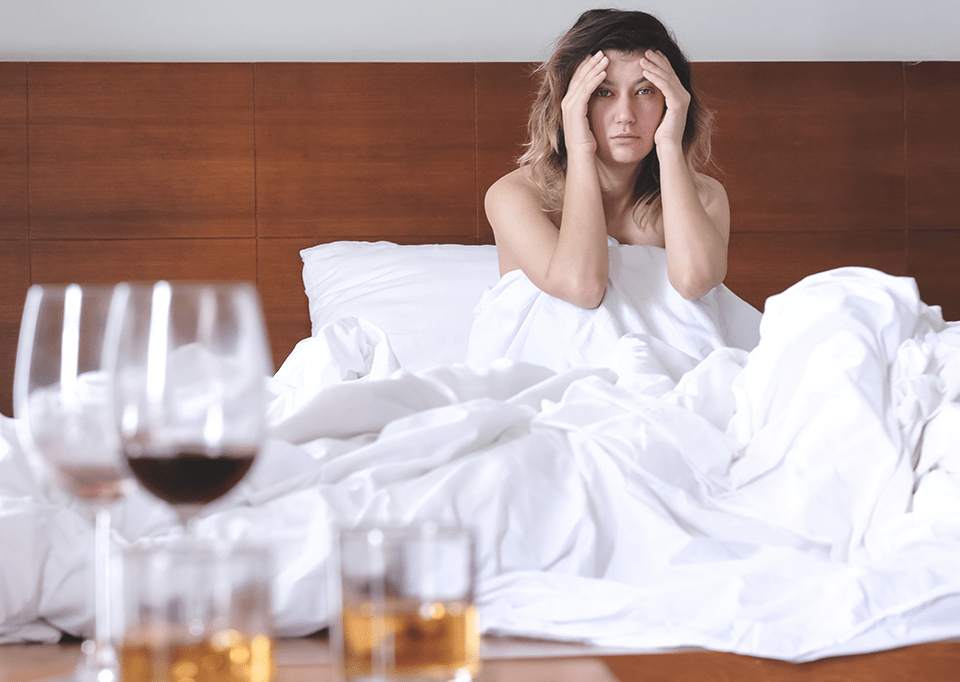
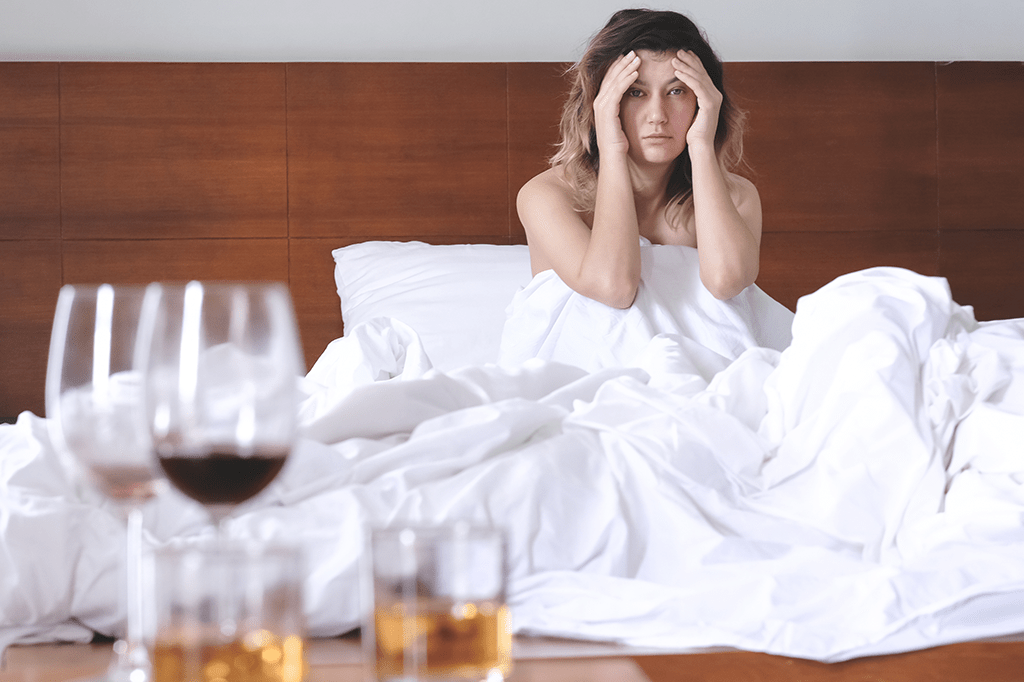
The morning after a night of drinking often brings physical symptoms like headaches and nausea, but it can also trigger intense emotional discomfort. Hangxiety occurs because alcohol disrupts GABA activity in the brain, a neurotransmitter that helps regulate anxiety. When alcohol is out of the system, the flood of negative emotions can hit hard.
Hangxiety can also be exacerbated by regret over actions taken while under the influence. This regret can lead to a distorted self-image and a belief that confidence can only be achieved through alcohol. This mindset can spiral into alcohol addiction, sometimes requiring professional treatment, such as that offered at our Southern California rehab center.
Building Confidence Without Alcohol
If you find yourself relying on alcohol to feel confident, it may indicate a need for deeper personal growth. Here are some practical tips to build genuine confidence without alcohol:
Set Achievable Goals
Start with small, manageable goals and celebrate each success. Tracking your progress can reinforce your sense of achievement and self-belief.
Practice Self-Care
Engage in regular exercise, maintain a balanced diet, and ensure adequate sleep. Incorporate relaxation techniques like mindfulness or yoga to reduce stress and enhance self-awareness.
Develop New Skills
Take up a hobby, learn something new, or volunteer. Mastering new skills can boost your confidence and provide a sense of accomplishment.
Build a Support Network
Surround yourself with positive, encouraging people. Seek out friends, family, or support groups that uplift and support you. Consider finding a mentor for guidance and constructive feedback.
Challenge Negative Self-Talk
Identify and reframe negative thoughts. Replace them with positive affirmations and realistic self-talk. Practice self-compassion and be kind to yourself, acknowledging your efforts and forgiving mistakes.
Enhance Social Skills
Join clubs or groups to practice social interactions. Set small social goals, such as starting conversations or attending events, to build confidence in social settings.
Focus on Personal Growth
Set personal development goals, such as improving communication skills or assertiveness. Seek constructive feedback from trusted individuals to foster growth.
Embrace Achievements
Regularly recognize and celebrate your successes, no matter how small. Consider creating a success board to display reminders of your accomplishments.
Practice Assertiveness
Communicate your thoughts, needs, and feelings clearly and respectfully. Learn to set and maintain healthy boundaries to build self-respect and confidence.
Seek Professional Help
If needed, consult with a mental health professional to address underlying issues and develop strategies for enhancing self-esteem and confidence.
Low Self-Esteem and Mental Health: A Deep Dive
Low self-esteem and mental health often go hand in hand, creating a complex relationship that can significantly affect an individual's life. When people struggle with low self-esteem, they may experience heightened social anxiety and fear, leading them to drink alcohol as a way to cope. This behavior is often driven by the desire for a temporary confidence boost, commonly known as "liquid courage." Alcohol affects the brain's reward system, providing a mild euphoria and an elevated sense of self-worth. However, this self-assured feeling is typically short-lived, as alcohol leaves the system, often resulting in a return to anxious and self-doubting thoughts.
The false confidence gained from alcohol use can be misleading, as it does not equate to true self-esteem or self-assurance. Instead, it can exacerbate feelings of inadequacy and depression, making it difficult to challenge self-doubt and develop genuine self-acceptance. The brain functions differently under the influence of alcohol, which can lead to poor decision-making and potential social risks, further impacting one's mental health.
To overcome social anxiety and build high self-esteem, individuals must focus on long-term strategies that promote well-being and self-worth. Mental health services offer a powerful tool for this journey, providing support and guidance to help individuals step out of their comfort zones and form healthy relationships with themselves and others. By fostering self-confidence and motivation, people can learn to navigate social situations without the need to start drinking.
Engaging in activities that challenge self-doubt and encourage personal growth, such as making new friends, pursuing hobbies, and practicing mindfulness, can lead to a more self-assured and fulfilling life. These efforts contribute to a more balanced mental state, allowing individuals to experience true self-esteem and a sense of recovery from the negative effects of alcohol dependence.
In the long run, addressing low self-esteem requires a commitment to self-improvement and an understanding of the contributing factors that lead to alcohol use. By focusing on building genuine self-worth and embracing self-acceptance, individuals can achieve a healthier relationship with themselves and their mental health.
Get Started with Alcohol Abuse Treatment Today
If you find it challenging to control your drinking or are struggling with alcohol dependence, our California detox center offers comprehensive alcohol withdrawal programs. We can help you cleanse your system and start anew. There is a vibrant life and a truer sense of self waiting for you when you aren’t under the in
Wherever you are, we have you.
Not sure what level of care fits your needs? Our admissions team can help you understand your options confidentially.
Medical Disclaimer
Banyan Treatment Centers aims to improve the quality of life for people struggling with substance use or mental health disorders with fact-based content about the nature of behavioral health conditions, treatment options and their related outcomes. We publish material that is researched, cited, edited and reviewed by licensed medical professionals. The information we provide is not intended to be a substitute for professional medical advice, diagnosis or treatment. It should not be used in place of the advice of your physician or other qualified healthcare providers.