

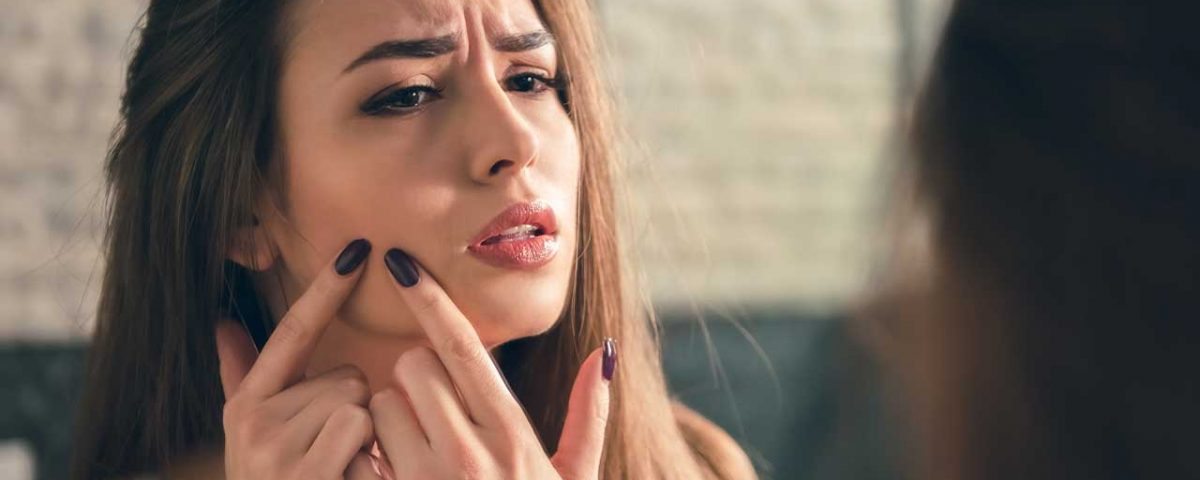
Acne is a prevalent skin condition characterized by the presence of spots and pimples, most commonly appearing on the face, shoulders, and back. It encompasses various forms including whiteheads, blackheads, pimples, and cysts. Acne develops when hair follicles become clogged with oil and dead skin cells. While acne is often associated with hormonal changes, especially during puberty, its development can also be influenced by several factors including hormonal imbalances, emotional stress, climate conditions, and the use of certain medications.
Does Alcohol Contribute to Acne?
While alcohol does not directly cause acne, its consumption can indirectly exacerbate the condition. Understanding the mechanisms through which alcohol affects the body can shed light on its impact on skin health.
How Alcohol Affects Skin Health
Impact on the Immune System
Alcohol consumption can impair the immune system's ability to function effectively. The immune system plays a crucial role in protecting the body from infections and managing inflammation. Alcohol can decrease the production of cytokines, which are proteins involved in immune responses. A compromised immune system may result in a decreased ability to combat bacteria and viruses that can contribute to acne flare-ups.
Hormonal Disruption
Alcohol affects hormone levels in the body. For instance, it can elevate levels of cortisol, a stress hormone that can stimulate the sebaceous (oil) glands in the skin. Increased oil production can lead to clogged pores, creating an environment where acne-causing bacteria can thrive. Additionally, alcohol can disrupt the balance of sex hormones, such as testosterone and estrogen, which are involved in regulating skin health and oil production.
Alcohol and Inflammation
Inflammation is a key factor in acne development, particularly in inflammatory forms such as papules, nodules, and cysts. Alcohol can contribute to systemic inflammation in the body, exacerbating acne symptoms. Here’s how:
Alcohol as a Sugar Substitute
Alcohol is metabolized in the body similarly to sugar. When consumed, it can elevate blood sugar levels and subsequently increase inflammation. This is particularly relevant with mixed drinks, which often contain high amounts of sugary syrups and juices. The added sugar can amplify the inflammatory response and worsen acne.
Hydration and Inflammation
Alcohol is a diuretic, meaning it increases urine production and can lead to dehydration. Dehydrated skin is more prone to inflammation and irritation. Without adequate hydration, the skin can become dry and flaky, leading to the buildup of dead skin cells and clogged pores, further contributing to acne outbreaks.
Getting into treatment is easy with our free insurance verification
"*" indicates required fields
Alcohol Consumption and Acne Breakouts: How Alcoholic Drinks Affect Your Skin
Alcohol consumption, particularly excessive alcohol consumption, can have a significant impact on skin health, leading to acne breakouts and other skin problems. While alcohol is not a direct cause of acne, drinking alcohol can exacerbate existing acne and contribute to skin irritation. Alcoholic drinks can aggravate existing acne by increasing oil production, or sebum, which can clog pores and lead to breakouts.
Consuming alcohol regularly can also affect the immune system functionality, making it difficult for the body to combat acne-causing bacteria. This can result in more frequent acne breakouts and other skin issues. Excessive consumption of alcohol can also lead to hormonal imbalances, which can trigger acne directly by increasing the production of oil in the skin.
Additionally, alcohol can have dehydrating effects on the human body, leading to dry, itchy skin. This dehydration can reduce the skin's ability to maintain its natural barrier, making it more susceptible to skin disorders. Drinking alcohol can also influence insulin levels, which can play a role in acne development.
Alcohol can affect the body's ability to regulate body temperature and blood vessels, potentially leading to increased redness and irritation in the skin. This is particularly concerning for drinking age people, as excessive alcohol consumption over time can lead to liver diseases, which further affects skin health.
For those seeking healthy skin, it's important to be mindful of alcohol intake. Occasional drinks in moderation may not significantly impact skin health, but excessive alcohol consumption can have a detrimental effect. Maintaining a balanced lifestyle that includes proper hydration, sun protection, and skincare can help mitigate the negative effects of alcohol on the skin.
Managing Alcohol Intake for Better Skin Health
To minimize the impact of alcohol on acne, consider the following strategies:
Opt for Low-Sugar Drinks
Choose alcoholic beverages that are lower in sugar. Clear liquors like vodka can be a better option when consumed in moderation, but be cautious of mixers high in sugar. Avoiding sugary cocktails and opting for simpler drinks can help reduce the risk of triggering acne.
Stay Hydrated
Drink plenty of water before, during, and after alcohol consumption. Adequate hydration helps maintain skin moisture and flush out toxins. It can also help counteract the dehydrating effects of alcohol.
Moderation is Key
Limit alcohol consumption to reduce its negative effects on your skin. Drinking in moderation can help mitigate the potential for acne flare-ups and other skin-related issues.
Alcohol and Skin Aging
In addition to its effects on acne, long-term alcohol consumption can accelerate the visible signs of aging:
Dehydration and Wrinkles
Alcohol impairs the body’s ability to retain water, leading to dehydration. Dehydrated skin is less elastic and more prone to developing fine lines and wrinkles. Over time, this can contribute to premature aging of the skin.
Drinking Alcohol and Acne Outbreaks: Understanding the Direct Causes for Drinking Age People
Drinking age people often face various skin issues, including acne outbreaks, which can be exacerbated by excessive alcohol consumption. While drinking alcohol is not a direct cause of acne, it can play a significant role in aggravating existing acne and causing skin irritation. Alcoholic drinks can increase the production of oil, or sebum, leading to clogged pores and acne breakouts.
Excessive consumption of alcohol can also impact the immune system functionality, making it harder for the body to fight off acne-causing bacteria. This can result in more frequent acne outbreaks and other skin problems. Additionally, alcohol can cause hormone imbalances, which may further trigger acne directly.
The dehydrating effects of alcohol can leave the skin itchy and prone to irritation, as it impairs the body's ability to retain moisture. This dehydration can also affect the skin's natural barrier, making it more susceptible to skin disorders. Moreover, alcohol can influence insulin levels, which may contribute to acne development.
Drinking age people should be mindful of their alcohol intake to maintain healthy skin. Occasional drinks may not significantly impact skin health, but excessive alcohol consumption can lead to liver diseases and affect the body's ability to regulate body temperature and blood vessels. This can result in increased redness and irritation in the skin.
It's important to consider the overall lifestyle, including proper hydration, sun exposure, and skincare, to mitigate the negative effects of alcohol on the skin. By making informed choices and consuming alcohol in moderation, individuals can better manage acne and support overall skin health.
Loss of Skin Elasticity
The skin loses elasticity as it becomes dehydrated. This is especially noticeable in delicate areas such as under the eyes, where the skin is thinnest. Regular alcohol consumption can exacerbate this loss of elasticity, leading to sagging and more pronounced wrinkles.
Understanding the connection between alcohol and skin health is essential for managing acne and preventing premature aging. While alcohol does not directly cause acne, its effects on the immune system, hormone levels, and hydration can contribute to acne flare-ups and skin inflammation. Additionally, alcohol's impact on skin aging underscores the importance of moderation and proper skincare practices.
By making informed choices about alcohol consumption and maintaining a healthy lifestyle, you can better manage acne and support overall skin health.
Wherever you are, we have you.
Not sure what level of care fits your needs? Our admissions team can help you understand your options confidentially.