
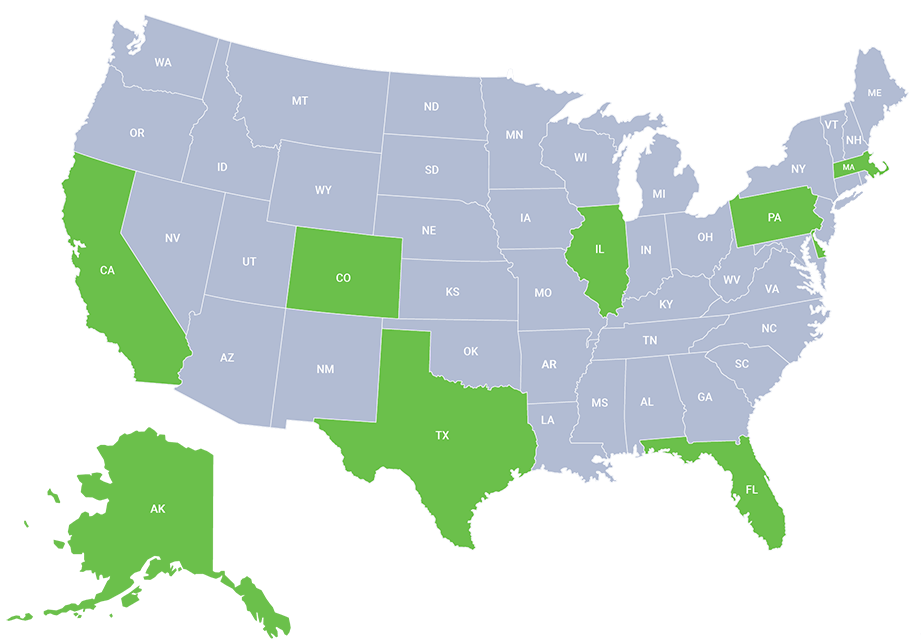

FIND THE NEAREST BANYAN LOCATION
Banyan Treatment Centers
Mental Health & Substance Use Care Nationwide

• Accepting Admissions Now
| Mental Health Addiction | Yes Yes |
| Inpatient Outpatient Telehealth | Yes Yes Some States* |
| Dual diagnosis | Yes — integrated |
| Accreditation | Joint Commission |
Most insurances accepted
If you or someone you know is in crisis, confidential help is available 24 hours a day, 7 days a week.
988 Suicide & Crisis Lifeline
Call or text 988 · 24/7
Medically Reviewed by:

Dr. Darrin Mangiacarne
Chief Medical Officer
At Banyan Treatment Centers, Chief Medical Officer Dr. Darrin Mangiacarne leads our nationwide clinical team with over a decade of addiction medicine experience, helping ensure evidence-based, compassionate care across every level of treatment.
Author / Written by: Banyan Editorial Staff
Medically reviewed by: Dr. Darrin Mangiacarne, CMO
Updated on: August 2026
Environment Matters Greatly in Recovery
Sometimes people want to start the recovery process while living within all the same habits, people, pressures, and stressors that were mixed up with their substance abuse. Although a person may be ready for help, every familiar street, phone call, quarrel, paycheck, or sleepless night at home could trigger the old behavior. For some people, that kind of situation is helpful and manageable. For others, it may be better to step away to get help and focus on making the necessary changes.
Going away does not always mean going far. People may find addiction treatment in another city, in a different part of the country, or in another state. It is not necessarily about how far one gets from home, but rather about the environment, treatment and treatment staff, clinical treatment, the plan for what happens after you leave, and the care that continues after you are no longer in treatment. We believe treatment needs to be where the person is at the moment and to find the right level of care while also considering what they will need down the road.
Why the Environment Matters Greatly in Recovery
A supporting environment is one piece of the path to recovery. The environment a person is living in may affect their ability and motivation to recover, including the triggers associated with their addiction. Triggers are the people, places, events, objects, and feelings that are associated with substance abuse. Triggers include:
- people who use substances
- past places they may have used
- certain emotional states
- workplace stress
- interpersonal conflict
- physical pain
- loneliness
- money worries
- the everyday routine of passing the liquor store or a dealer’s neighborhood
A systematic review and meta-analysis showed that cues and craving were associated with later drug use and relapse. This does not mean that the cue is what causes the person to use, or that it will be the reason the person uses. It means that people are exposed to these triggers over and over; the brain begins to associate substance misuse with those places, emotions, and actions. When those are present, it may be very hard not to resort to using. The brain has created these associations and has become habituated.
The idea of going home is familiar, but it can sometimes also keep bad habits near. Even though a person knows they want help, they may be going back to those same arguments, financial bills, friends who do not care that they have a problem, and home environments that are a part of substance abuse. Even though they want to recover, everyday triggers can get in the way.
This is why the environment can make it easier. A different environment can mean being away from some of the more typical triggers, giving you the time you need to learn better ways to live before going back. A strong relapse prevention program should eventually address those real-world triggers, but early distance can make that work easier to begin.
Going away from home does not mean being away from the issue. The goal is to have a less distracting environment while you work on the issues at hand, without being surrounded by them every hour of the day. For people who travel often or worry about sober routines outside of treatment, guidance on traveling in addiction recovery can also help them prepare for life after formal care.

What to Expect When You Travel for Rehab
Setting Expectations
Some think that traveling for rehab means they will be in a quiet retreat. Although it is often beneficial to be in a peaceful setting to heal, rehab itself is not a vacation. Although a recovery program is in a tranquil environment, this type of care is very focused, clinical work. Anyone using the term “rehab vacation” is setting the wrong expectations.
Recovering involves looking closely at substance misuse, mental issues, personal relationships, sadness, traumatic experiences, guilt, how to cope with emotions, and what needs to change after one completes treatment.
First Step
The first step usually includes an assessment. Clinicians gather information about substance use, withdrawal risk, medical history, mental health symptoms, medications, safety concerns, family dynamics, and previous treatment experiences. That assessment helps determine the level of care and treatment plan.
Day-to-Day
Inside a rehab center, the daily experience may include:
- individual or group therapy sessions
- psychoeducation
- relapse prevention planning
- family communication when appropriate
- medical support & medication management when clinically indicated
- aftercare & discharge planning
Often, patients appreciate group therapy. It’s helpful for many to feel like they aren’t the only ones experiencing cravings, guilt, fear, anxiety, and a variety of other emotions.
Treatment also requires ordinary preparation. Patients will likely need comfortable clothing, personal items allowed by the facility, necessary documents, any prescription medication they’ll need, and a contact list for your loved ones and providers. If you or someone you love is traveling out of town for treatment, a rehab packing list can help reduce stress before arrival.
What You’ll Feel at the Start
The first few days may feel emotionally mixed. Relief, homesickness, fear, sleep changes, anger, and hope can all show up in the same week. This is not an indication that the rehab is not working; it simply means that for the first time in a long time, the patient is adjusting to a new routine.
While drug or alcohol use may have controlled a large part of their life before they were admitted, the first few days of rehab can be unsettling, to say the least. Fortunately, the right rehab program will educate them about the emotional changes they will experience as a result of withdrawal, be open to communication and listening, and be patient during this transitional period.
Questions about our Facilities or Programs?
Our admissions coordinators are available 24/7 to answer any questions you may have as you consider whether treatment at Banyan is right for you or your loved one.
Why Continuity of Care Matters
Advantages of going away for treatment are greatest when the stay is part of a continuum of care. With time, a person’s recovery needs often change.
Some patients require detox first, followed by a period of inpatient and/or residential treatment, then perhaps partial hospitalization or intensive outpatient programs, and finally outpatient and/or telehealth services, aftercare, alums, and/or other community programs.
This step-up, step-down approach matters because addiction isn’t solved in an instant.
According to the American Society of Addiction Medicine, level-of-care matching involves assessing a patient across multiple dimensions, including biomedical, psychological, and social needs, as well as their recovery environment. In other words, treatment providers need to determine what type of treatment or care level is necessary for a given patient, rather than simply treating all individuals as if they needed the same amount and types of care.
Our addiction treatment programs reflect this understanding of the continuum of care. While the programs offered will vary by state and facility (in general), Banyan offers a full continuum of care, consisting of detox, inpatient/residential programs, partial hospitalization, intensive outpatient programs, outpatient, and telehealth programs, along with aftercare.
Aftercare is extremely helpful for someone who has traveled for treatment, as going back home can bring back the same triggers that made early recovery hard to complete. A thoughtful aftercare plan should address local provider and/or peer-support options, medications, social expectations, job/school issues, housing issues, and other risk factors that may require support in order to avoid relapse and to maintain a healthy sobriety. The importance of aftercare needs to be discussed before discharge, and not seen as an afterthought.
Continuity of care may also include telehealth treatment. Telehealth treatment options may help some patients maintain support after returning home, depending on the individual treatment needs, state licensing requirements, geographic location, and the specific programs offered. In cases where patients may have co-occurring mental health symptoms, providers must also assess whether it is clinically appropriate to include mental health treatment as part of the care continuum.
Do Rehabs Work? What the Evidence Suggests
Treatment is not a guaranteed cure, and relapse does not automatically mean treatment failed. Addiction is treatable, and NIDA notes that treatment helps in:
- reducing or ending alcohol or drug use
- preventing people from relapsing
- improving overall functioning
- addressing other conditions related to substance use, such as mental health issues
It can work. But recovery can take time, adjustment, support, and other care. The best results from treatment come when care is individualized, given long enough to be effective, focused on more than just substance use, and includes ongoing care after discharge.
Engagement plays a crucial role in effectiveness.
A person may find it difficult to stay on track when they have immediate access to substances, ongoing high-conflict situations at home, or outside pressures to leave treatment early. That’s why going away for treatment can work: the patient is creating distance from those stressors. Now, it does not remove the need for personal effort from the patient, for boundaries set with loved ones and others, for clinical work during treatment, or for aftercare.
At Banyan, we publish our own effectiveness statistics for readers who want to review available outcomes information. All outcomes data should be understood according to who or what was measured and how. In most cases, it is safest to think of the effectiveness of rehabs in terms of fit, participation, continuity of care, and support, rather than as a simple yes-or-no answer.
Community is also rather important. People often need ongoing support, extending beyond a discharge date. Peer connection, family education, alum resources, mutual-help groups, therapy, and recovery-friendly routines can reinforce the progress made in treatment.
Pros and Cons of Going Away for Treatment
Going away for treatment can be a good choice for some people, but it isn’t always the right choice for everyone.
Potential Benefits | Potential Drawbacks | How to Address Them |
Distance from triggers, routines, and access points | Homesickness or fear of being far from support | Build family communication, clinical support, and aftercare planning into treatment. |
More privacy and fewer local distractions | Travel costs and logistics | Confirm transportation, admissions timing, packing requirements, and arrival details before committing. |
Access to specialized programs or open beds | Insurance or network limitations | Verify benefits, prior authorization needs, Medicaid limitations, and out-of-pocket costs before traveling. |
Structured inpatient or residential care | Time away from family, work, school, or caregiving responsibilities | Discuss the appropriate level of care, expected length of stay, and step-down options early. |
A fresh-start mindset | Re-entry challenges after discharge | Create a written aftercare and relapse prevention plan before leaving treatment. |
HealthCare.gov explains that all Marketplace plans cover mental health and substance use disorder services as essential health benefits. The Affordable Care Act provides protections to ensure that coverage for mental health and substance use disorder services is no more restrictive than its coverage for medical and surgical care. However, the plan, state, provider network, preauthorization, and type of care are all still factors in coverage. Medicaid can vary by state, so anyone seeking out-of-state rehab options that accept Medicaid needs to contact their insurance before finalizing their travel plans.
When Local Treatment Is A Better Option
When Staying Local May Make More Sense
There are circumstances where a closer, more local facility would be a better option for an individual. Seeking treatment close to home makes sense if
- The person has urgent caregiving responsibilities that cannot be avoided.
- They have stable, sober support near them.
- There are legal requirements tying them to a specific area.
- The person has transportation issues and limited resources.
- They're under an insurance plan that covers only local providers.
Local outpatient or IOP levels of care are suitable if the person is medically stable, has a safe home environment, and can stay engaged without the need for 24-hour monitoring.
This isn't so much an issue of whether distance is positive or negative, but whether an individual's current environment may actually be working against them, making it difficult to prepare for treatment. In such cases, a clinical assessment can help determine whether the best course would be either a rehab center that’s local, out-of-town, or in another state.

Learn More About What’s Offered
How Banyan Supports Care Across Different Locations and Levels of Need
Banyan Treatment Centers has a nationwide network of 14 treatment facilities, with services varying for each center. That national footprint can be helpful for people who are open to traveling because the conversation can start with a clinical need rather than a single address. One person may require detox initially. Another person may require residential care. A third person may be ready for outpatient treatment or a remote option.
Our position isn't to fit everyone into the same program. Our admissions process is designed to help identify the best care program for a person based on their symptoms, substance use history, safety, location, coverage, and treatment preferences. Banyan may provide or coordinate access to:
- medical detox
- residential treatment
- partial hospitalization
- stabilization
- intensive outpatient programs
- outpatient treatment
- co-occurring disorder support
- mental health services, when available by location and clinically appropriate
- aftercare
- Telehealth virtual IOP
To learn more about what’s offered within our network, please visit our Banyan Treatment Center facility pages. Individuals looking to compare access to treatment centers at the regional level may be able to learn about available programs and services through Banyan's resource page on specific states.
How to Find the Right Program
It can feel very pressing to choose a treatment program when an individual needs treatment because their substance use is becoming dangerous, and when a loved one is finally ready to get help. However, the program must be the right fit for you. Before deciding whether to choose a nearby center or an out-of-town option, ask yourself a few questions.
- Are you in an environment that is currently working against your ability to avoid substance use or your ability to remain involved with care?
- Has a clinical assessment determined which level of care (detox, inpatient, residential, PHP, IOP, outpatient, telehealth) you might need?
- Can the provider offer you the next step once your current level of care ends, or help connect you to it?
- Are co-occurring mental health issues, your trauma history, health issues, and medications being taken into account?
- Have insurance benefits, network limitations, Medicaid rules, prior authorization, travel costs, and out-of-pocket expenses been verified?
- How will family communication, aftercare planning, and transportation work once you return home?
For those seeking help locating treatment centers, either near them or outside their city/state, visit SAMHSA’s FindTreatment.gov and National Helpline.
For those considering Banyan Treatment Centers, the admissions process can help walk you through what programs are available, whether it may be a good fit for the patient's clinical picture, and where to go from here. You should be able to clearly understand what a program offers, what it doesn’t, whether it is able to treat you at a specific level of care, and what support you’ll have as you transition out of the initial phase of treatment.
Getting into treatment is easy with our free insurance verification
"*" indicates required fields
Final Takeaway
The real benefit of going away for addiction treatment is not the distance traveled, but rather the environment, structure, clinical expertise, decreased exposure to triggers, and the plan you have for your aftercare that makes a difference. A new environment can help you get started, but the real change happens through engagement with clinical care, recovery, and mental health treatment services, and planning for discharge and follow-up care.
While local treatment works for some, other clients may need to get away to focus, get their lives in balance, and start their new life as sober individuals. Banyan Treatment Centers can provide support to people and families as they explore treatment options and programs available to them, including insurance verification. This means people and families will have access to the right level of addiction treatment that works best for them.
FAQ + Final Takeaway
What Our Patients Are Saying


Getting Into Treatment Is Easy. Here's How to Get Started!

Call Us Anytime
Speak with our compassionate admissions specialists to discuss your situation and explore treatment options.

Initial Assessment
We conduct a thorough evaluation to determine the best level of care tailored to your needs.

Financial Guidance
Our team will verify your insurance coverage and provide transparent cost information.

Begin Your Recovery
Once everything is set, you’ll be welcomed into our program and start your journey toward healing.