

NEAREST BANYAN LOCATION
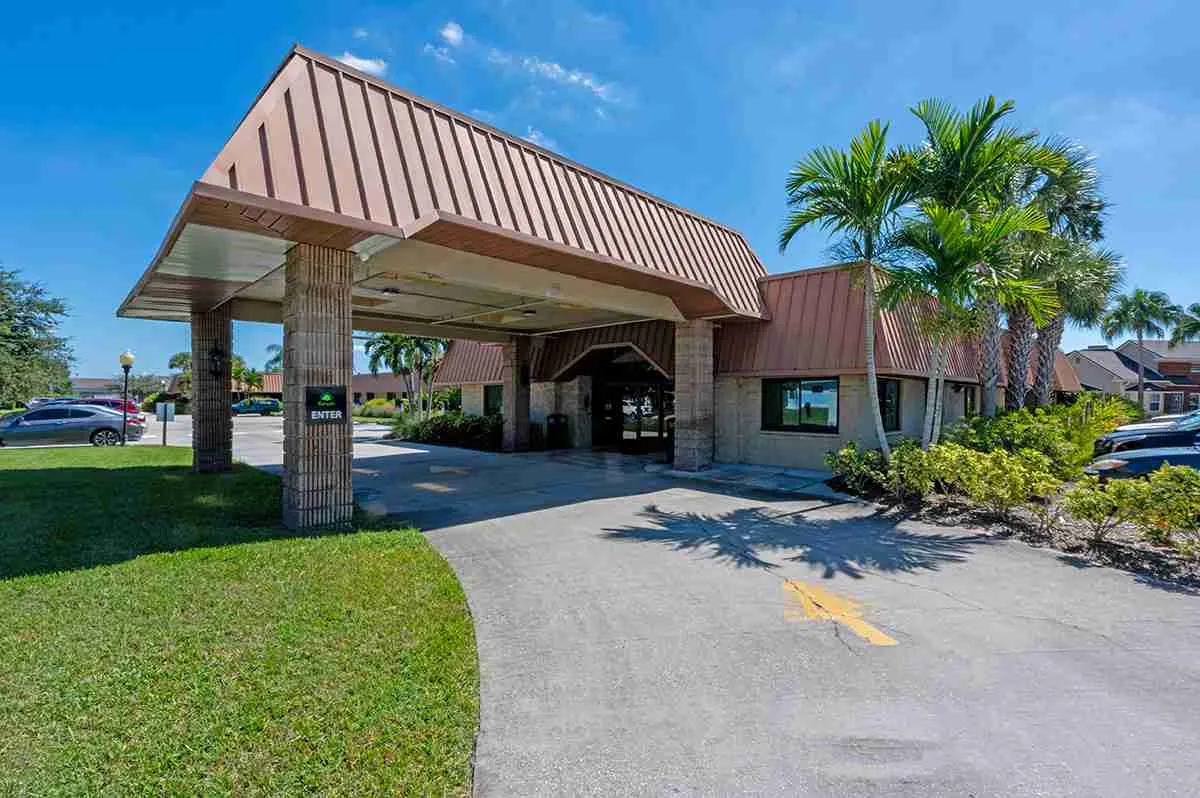
Banyan Treatment Center
Banyan Sebring, FL · Serving Seminole County
• Accepting Admissions Now
| Mental Health Addiction Treatment | Yes Yes |
| Inpatient Care Outpatient Programs | Yes Virtual IOP |
| Dual Diagnosis | Yes |
Most insurances accepted
Banyan Tampa ~132 miles
| Distance | about 132 miles |
| Main fit | mental health programming, and broader dual-diagnosis support |
| Phone | (813) 521-7847 |
IN IMMEDIATE CRISIS?
988 Suicide & Crisis Lifeline
Call or text 988 · 24/7
For overdose or any medical emergency, call 911.
Medically Reviewed by:
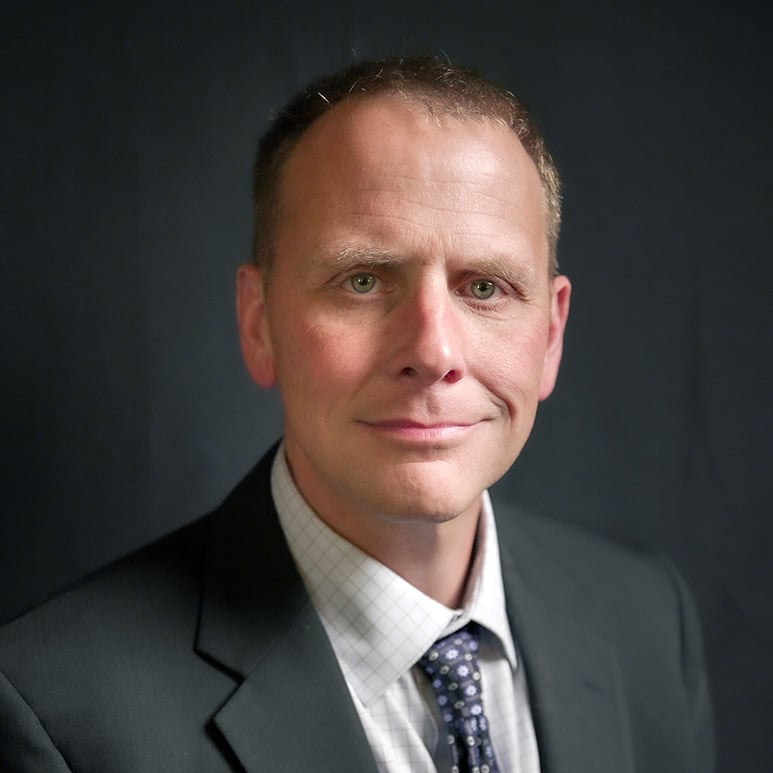
Dr. Darrin Mangiacarne
Chief Medical Officer
At Banyan Treatment Centers, Chief Medical Officer Dr. Darrin Mangiacarne leads our nationwide clinical team with over a decade of addiction medicine experience, helping ensure evidence-based, compassionate care across every level of treatment.
Author / Written by: Banyan Editorial Staff
Medically reviewed by: Dr. Darrin Mangiacarne, CMO
Updated on: July 2026
Drug, Alcohol & Mental Health Treatment for Sanford, FL
Start looking for treatment from Sanford, and one fact reorders everything else: the nearest residential programs are not around the corner. A drive toward the coast or down into the interior is roughly two hours either way, so the most useful question here is not "which building is closest" but "which kind of help can actually start this week." For a lot of Seminole County families, the honest answer turns out to be a program delivered to the living room, backed by a strong local crisis system for emergencies and a planned drive only when the situation genuinely calls for round-the-clock care. This page lays out plainly what Sanford has close at hand, what the levels of care really mean, how insurance usually behaves, and the three specific ways Banyan Treatment Centers reach a Sanford resident when distance is the first thing on the table.
Talk to someone 24/7: (863) 277-6238 - free and confidential
Seminole County, Florida: The Numbers Behind the Need
66,920 - residents of the city of Sanford (U.S. Census Bureau, 2024 American Community Survey 1-year estimate)
169 to 123 - overdose deaths among Seminole County residents fell from 169 in 2021 to 123 in 2023(Orlando Weekly, reporting Project Opioid and CDC data)
Set those two figures side by side, and the takeaway is mixed in the right way. A drop of more than forty deaths in two years is real, and the county-level effort behind it, naloxone in more hands, mobile crisis teams, treatment that starts earlier, may be part of what bent the curve. But a smaller number on a report is not the same thing as a smaller need. More than a hundred Seminole County families still lost someone to an overdose in a single year, and many more sat through a psychiatric emergency or a near-miss that never became a data point. The reason to act before a crisis is simple: it keeps a county statistic from turning into a name you know.
Whether You're Searching for Someone You Love or for Yourself
The person who lands on a page like this at 1 a.m. is usually not the one who needs the bed; it's the one trying to find it. The right first move depends on which seat you're in:
If it's your adult child: You cannot check a grown son or daughter in yourself, but you can have the route ready for the moment they agree. Learn the gap between detox and residential care now, pin down what their plan actually pays, and keep one clear next step on hand, because the opening they're willing to offer tends to close fast.
If you're the partner keeping things upright: Disappearing for a month of inpatient care isn't on the table for households with jobs and school pickups. Outpatient and virtual programs exist for precisely that constraint, real clinical treatment without vanishing, and a good family track sends support your way too, not only to the person being treated.
If it's a parent or a sibling: A father whose drinking quietly expanded in retirement, a brother whose use crept up over the years, that kind of care has to guard their dignity. Hand the medical screening, the logistics, and the insurance puzzle to someone else so your attention stays on the person.
If it's you: Nobody owes a rock-bottom story to qualify for help. If some part of you has already begun tallying the cost of the hours, the money, the people pulling back, that's enough reason to call. The line here is answered around the clock by people who have walked thousands through this same first conversation.
Types of Treatment for Substance Use and Mental Health
"Rehab" names a whole span of intensities, not one program, and where a person belongs on that span is a clinical decision made after an assessment, not something to guess from a search result. Each level answers one question: how much structure and medical support does this situation need right now?
The most closely supervised entry point, for when stopping is physically risky on its own. Withdrawal from alcohol, opioids, or benzodiazepines can be genuinely dangerous; detox manages that so the body is steady before the real work starts.
Residential / Inpatient Treatment
Living on-site with around-the-clock support and a structured day. It fits higher-acuity cases and the ones where being at home is part of what keeps undoing progress.
Partial Hospitalization (PHP)
Clinical programming most of the day, several days a week, with nights at home or in supportive housing. It bridges residential care and a normal schedule.
Intensive Outpatient (IOP)
A handful of therapy blocks each week, arranged so treatment runs alongside work and family rather than replacing them.
The lightest level, including video sessions a Sanford resident can join without leaving home.
Dual Diagnosis (Co-Occurring Care)
Less a separate tier than a method: when depression, trauma, or anxiety sits beneath the substance use, a single team treats both together. Handle only one side and the untreated half usually pulls the other back down.
Medication-Assisted Treatment (MAT)
FDA-approved medication paired with counseling, most often for opioid or alcohol use disorder. It's evidence-based medicine, not a way around the work.
Getting Help in Sanford: The Local Safety Net
For a real emergency, or for anyone without insurance, Seminole County's public behavioral-health system is the right first call before any private program, and it is sturdier than newcomers tend to assume.
Aspire Health Partners, the largest behavioral-health nonprofit in the state, anchors the local net: a Crisis Stabilization Unit that serves as the county's Baker Act receiving facility, a 24/7 Mobile Response Team, an Addictions Receiving Facility with medically supervised detox and medication-assisted treatment, plus residential and outpatient care for both mental health and substance use. Sitting above all of it, Central Florida Cares Health System is the managing entity the state contracts to fund and coordinate publicly supported treatment across Seminole and its neighboring counties, the right number for an uninsured resident trying to find the door. Between them, Sanford is reasonably covered at the crisis end of the spectrum; what gets harder to find locally is the sustained level above stabilization weeks of residential care, and a program built for a primarily psychiatric need, which is exactly the gap worth understanding before you're standing in it.
Private Treatment Options Near Sanford
A Sanford resident weighing private programs is really shopping the Greater Orlando market, so a quick map helps. To the south, Orlando Recovery Center runs a full continuum medical detox through residential, PHP, and outpatient, and treats co-occurring mental-health conditions alongside addiction. Northwest, in Lake County, The Recovery Village Umatilla offers detox, residential, and step-down care with dual-diagnosis programming. Also in Orlando, WhiteSands Treatment concentrates on substance use across detox, residential, and outpatient levels. Each is a real drive from Sanford, twenty-five to forty miles, which is the recurring theme of this page: the further up the ladder of care you go, the further you tend to travel.
As you size up any program, hold it against five plain measures: what it genuinely specializes in, which levels of care it actually runs, which insurance it accepts, how far away it sits, and whether its real strength is addiction, mental health, or both.
This is not a complete list and not a ranking. In an emergency, or when someone is uninsured, the public options above - Aspire Health Partners and Central Florida Cares - come first.
Getting into treatment is easy with our free insurance verification
"*" indicates required fields
Does Insurance Cover Addiction and Mental-Health Treatment?
For most families, the answer is yes, and for a larger share of the bill than they expect, which lands as a surprise to anyone who assumed treatment meant draining an account. Two federal laws do most of the lifting:
The Affordable Care Act (ACA) made behavioral health a baseline expectation. Mental-health and substance-use services are among the ten essential health benefit categories that non-grandfathered individual and small-group plans have been required to cover since January 1, 2014.
The Mental Health Parity and Addiction Equity Act (MHPAEA) supplies the fairness rule: when a plan covers behavioral health, it can't load harsher copays, deductibles, or visit caps onto that care than it applies to medical and surgical treatment. Put simply, the ACA is what requires the benefit, and parity governs how evenly it's applied.
What that means at your kitchen table: your plan most likely pays a meaningful portion, you'll still owe a deductible, copay, or coinsurance, and the level of care shifts the total, so the only reliable answer comes from checking your specific benefits before you commit. Medicaid and Medicare are widely accepted as well.
Where Banyan fits: In-network with more than 100 plans nationwide, Aetna, BCBS, Cigna, Florida Blue, Optum, and UnitedHealthcare among them, with benefits verified free before admission, so the math is clear up front.
Why Traveling for Treatment Can Help
From Sanford, distance is going to be part of any residential plan, so it's worth naming the upside instead of only the inconvenience. Clinicians watch the same loop play out: someone resolves to get well without leaving home, and home is wired exactly as it was, the same stop on the commute, the same contact on the phone, the same weekend rhythm. Recovery becomes a daily standoff with the surroundings.
Putting real distance between a person and the cues stitched into their routine swaps that standoff for structure, medical backup, and a room of people doing the same hard work at the same time. For Sanford, the geography makes the point on its own: the higher levels of care sit a couple of hours out, far enough to break the pattern, and Banyan arranges the drive to Sebring so the distance is a clinical feature rather than a barrier you solve alone.
How Banyan Serves Sanford
One organization, one admissions team, three ways for a Sanford resident to begin, and because every brick-and-mortar option is a real drive, the order here is deliberate:
Virtual IOP, from Home in Sanford
Banyan's Telehealth Virtual IOP is open to any Florida resident, with structured group and individual therapy delivered by video. For Sanford, it is the genuinely local option, no two-hour commute, no explaining a long absence, and it fits stepping down from a higher level of care, schedules a daily drive that would wreck, and anyone is more likely to start when starting doesn't mean leaving town.
Detox and Substance-Use Treatment at Sebring, Transportation Included
Medical detox, substance-use residential care, and dual-diagnosis treatment run through Banyan Sebring, about 107 miles inland, close to two hours and ten minutes. Banyan arranges transportation for eligible patients, which clears the objection families raise first, and the distance that looks like a drawback often does quiet clinical work: recovery starts somewhere apart from the place the addiction took root.
Residential Mental-Health Care at Seminole a Planned Drive West
For a primarily mental-health need, Banyan Tampa in the city of Seminole, in Pinellas County, provides residential treatment for adults, with IOP and outpatient step-downs. It is roughly 132 miles from Sanford, about two hours and fifteen minutes, and worth one clarification that trips people up: that Seminole is a Tampa Bay city, not Sanford's own Seminole County. We won't pretend it's nearby. It is a dedicated residential mental-health program for when local outpatient care isn't enough, with virtual IOP as the closer-to-home alternative in the meantime.
Conditions We Treat
Slow down here, because the split between the two facilities matters more than anything else on the page. Banyan Tampa in Seminole is a mental-health facility. It does not provide substance-use or detox services. Addiction and co-occurring care run through Banyan Sebring and statewide virtual IOP. The straight version:
Mental health at Banyan Tampa (Seminole), a planned drive from Sanford
When a flat stretch hardens into something that runs the calendar: work slipping, routines dropped, days that lose their edges.
Panic, grinding worry, and the avoidance that quietly takes over the decisions.
Trauma-informed care for intrusive memories, a nervous system stuck in high alert, and the shutdown that can trail behind it.
Bipolar & Related Mood Disorders
Residential stabilization tied to a plan built to keep holding after discharge.
Substance use & dual diagnosis at Banyan Sebring (transportation available) and via virtual IOP
Medically supervised withdrawal first, then the longer work of staying stopped.
Opioid & Drug Addiction
Higher-intensity care aimed at the drugs behind Seminole County's overdose numbers, where withdrawal and relapse risk run steepest.
One team treating the substance use and the depression or anxiety underneath it at once, since dividing the two across separate providers is usually where progress unravels.
Why Sanford Residents Choose Banyan
It comes down to range that holds together over distance. Plenty of providers near Sanford are excellent at a single job crisis stabilization, outpatient counseling, office-based addiction care. Where the local market runs thin is the higher-acuity end and the dedicated psychiatric end, and that is precisely the span Banyan keeps under one roof: detox, residential, dual diagnosis, residential mental health, and statewide virtual IOP, with a single team carrying the assessment, the insurance work, and the travel. For a Sanford family, that means the level of care a situation calls for doesn't have to be stitched together from three places two hours apart, and when a drive is unavoidable, the logistics arrive handled.
Questions about our Facilities or Programs?
Our admissions coordinators are available 24/7 to answer any questions you may have as you consider whether treatment at Banyan is right for you or your loved one.
Common Questions From Sanford Families
What's the closest Banyan option to Sanford?
Functionally, the Virtual IOP because it reaches you at home, anywhere in Florida. The nearest residential program is Banyan Sebring for substance use, about 107 miles inland; the nearest residential mental-health program is Banyan Tampa in Seminole, about 132 miles toward the coast.
Where would a Sanford resident go for detox or inpatient addiction treatment?
Banyan Sebring, in Highlands County roughly 107 miles, close to two hours and ten minutes. It provides medical detox, substance-use residential care, and dual-diagnosis treatment. Admissions can arrange transportation for eligible patients, so the drive is off your plate.
Is the Banyan in Seminole near Sanford's Seminole County?
No, and it's a common mix-up. Banyan Tampa sits in the city of Seminole in Pinellas County, on the Gulf side, about two hours from Sanford. It has nothing to do with Sanford's own Seminole County. It treats mental health only, not substance use.
Can someone keep working during treatment?
Often, yes. Virtual IOP was built around exactly that: structured therapy on a schedule arranged around a job or childcare, delivered remotely.
What happens when it's addiction and depression together?
That's dual diagnosis, treated as one condition with two sides rather than two separate referrals. Banyan's co-occurring care runs through Sebring and virtual IOP, with one team holding both ends.
Will a Sanford resident's insurance cover it?
Banyan is in-network with more than 100 plans. What yours pays depends on the plan and the level of care, so the sensible first step is a free benefit check before committing to anything.
Free or Low-Cost Support in the Sanford Area
Aspire Health Partners - Seminole County Access & Mobile Response
Call 407-875-3700 for 24/7 access and assessment, mobile crisis response, crisis stabilization, and detox; the local first call in an emergency or for an uninsured resident.
988 Suicide & Crisis Lifeline
Call or text 988 for free, confidential support available 24 hours a day, 7 days a week.
2-1-1 Heart of Florida United Way
Dial 211 for 24/7 referrals to behavioral health, housing, food, and crisis support across Seminole, Orange, and Osceola counties.
SAMHSA National Helpline
Call 1-800-662-4357 for free, confidential treatment referral and information services available 24/7.
Getting Into Treatment Is Easier Than You Think
Make the call. An admissions specialist listens to what's happening and walks through realistic options, no script, no pressure to commit.
Get a clinical read. A confidential evaluation settles the right level of care, anywhere from virtual IOP to medical detox.
See the cost first. Insurance is verified, and out-of-pocket costs are explained in plain numbers before anything is scheduled.
Begin. The admission is booked, and when Sebring is the destination, transportation is booked right alongside it.
Talk to our team: (863) 277-6238 - available 24/7
You don't have to figure this out alone
Whichever level of care turns out to be right, virtual IOP from the living room, detox at Sebring with the driving handled, or residential mental-health treatment over in Seminole, you find out by talking to someone, not by running one more search. In a single call, Banyan's admissions team sorts the level of care, the insurance, and the logistics.
Verify your insurance free, or call (863) 277-6238 - 24/7
Disclaimer:
1. Facility information in the "Private treatment options" section was compiled from each provider's published materials and public treatment directories; programs change, so confirm current details directly with each provider.
2. The information on this page is for educational purposes only and is not a substitute for professional medical advice, diagnosis, or treatment. If you or a loved one needs support, please contact Banyan Treatment Centers or a qualified clinician. For overdose and related medical emergencies, dial 911.
What Our Patients Are Saying


Getting Into Treatment Is Easy. Here's How to Get Started!

Call Us Anytime
Speak with our compassionate admissions specialists to discuss your situation and explore treatment options.

Initial Assessment
We conduct a thorough evaluation to determine the best level of care tailored to your needs.

Financial Guidance
Our team will verify your insurance coverage and provide transparent cost information.

Begin Your Recovery
Once everything is set, you’ll be welcomed into our program and start your journey toward healing.