


The use of opioids is a growing concern in the United States, and fentanyl sits atop the list as one of the most dangerous and addictive of the bunch.
This synthetic opioid is 50-100 times stronger than morphine and 25-40 times stronger than heroin.1 Although it can be prescribed by doctors for valid medical purposes, all too often it is abused. People will start by abusing tepid painkillers and, without getting into a rehab program to stop, they will eventually turn to harder and stronger opioids like heroin and fentanyl. Even more dangerous, several other drugs are laced with fentanyl, so people take this drug unknowingly. With fentanyl use on the rise, communities across the United States are suffering.
Understanding opioid use disorder is the first step — our opioid recovery facility in Cathedral City, CA offers opioid rehabilitation to help individuals begin their recovery journey.
Getting into treatment is easy with our free insurance verification
"*" indicates required fields
One of the Largest Drug Busts in Delaware
Recently, the United States saw the largest fentanyl bust in Delaware’s recorded history. An operation called “No Mas” made up of Delaware State Police, New Castle County Police, Wilmington Police, Philadelphia Police, and the Federal Bureau of Investigation (FBI), led to the discovery of over 7,500 grams of fentanyl, enough of the drug to kill over 750,000 people. The fentanyl seized in Delaware from this bust was also accompanied by a combination of other drugs including cocaine, heroin, LSD, Xanax, and marijuana.2
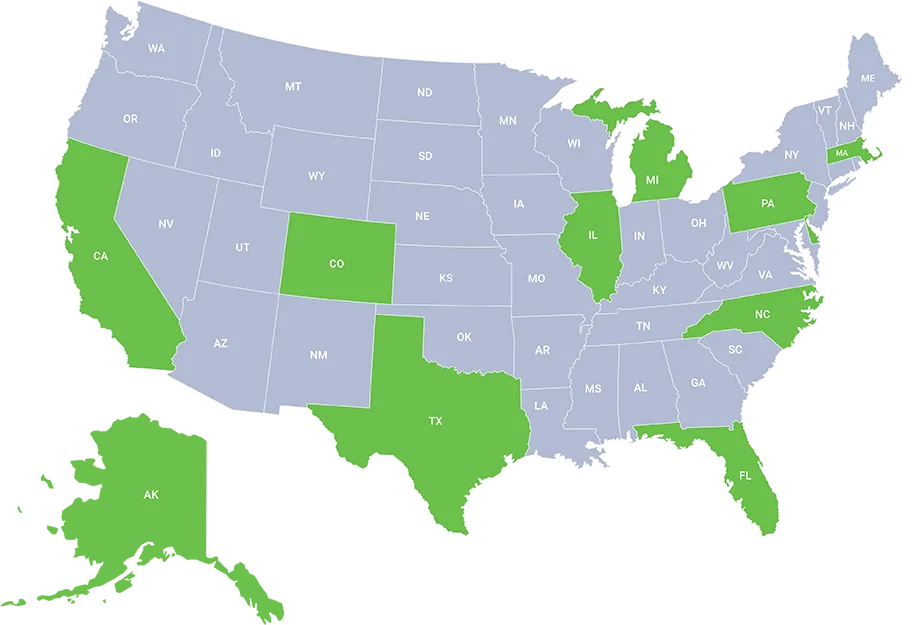
The investigation started in 2018 after information on a drug dealing organization in the area came to light. The organization is believed to lead drug-related activity throughout the states of Pennsylvania, Delaware, California, and Florida. Luis Renteria, the alleged leader of the drug ring, was arrested as well as 27 other people.2
Those struggling with opioid addiction may benefit from the opioid rehabilitation available at our opioid addiction rehab in Milford, DE, where treatment is tailored to individual needs.
The Dangers of Fentanyl
As a Wilmington treatment center, we are concerned about such a large fentanyl bust in Delaware and how this drug is negatively impacting our community. As the drug continues to rise in popularity, people need to be aware of its dangers.
Due to its potency, fentanyl is not only highly addictive, but it also puts people at a higher risk of overdose. Only a small amount of fentanyl is needed to feel the drug’s effects, but too much can be deadly. The synthetic opioid also has a high propensity for overdose because it can be mixed with other drugs without the user’s knowledge. When this occurs, the person will take what they believe to be another drug and consequently ingest more fentanyl than they should.
Struggling with drug abuse or knowing someone who is addicted to drugs is overwhelming. Although the dangers of drug abuse are severe, help is always available. At Banyan Delaware, we provide various addiction services in Wilmington to give those struggling with drug addiction a chance at a happier and healthier life.
Taking the first step toward recovery is possible — reach out to our drug rehab in Stuart, FL to learn about opioid addiction treatment options that can make a difference.
If you or a loved one is suffering from addiction, do not wait to seek help. Take action now. Call us at 888-280-4763.
Sources:
Wherever you are, we have you.
Not sure what level of care fits your needs? Our admissions team can help you understand your options confidentially.
Medical Disclaimer
Banyan Treatment Centers aims to improve the quality of life for people struggling with substance use or mental health disorders with fact-based content about the nature of behavioral health conditions, treatment options and their related outcomes. We publish material that is researched, cited, edited and reviewed by licensed medical professionals. The information we provide is not intended to be a substitute for professional medical advice, diagnosis or treatment. It should not be used in place of the advice of your physician or other qualified healthcare providers.